
close
Choose Your Site
Global
Social Media


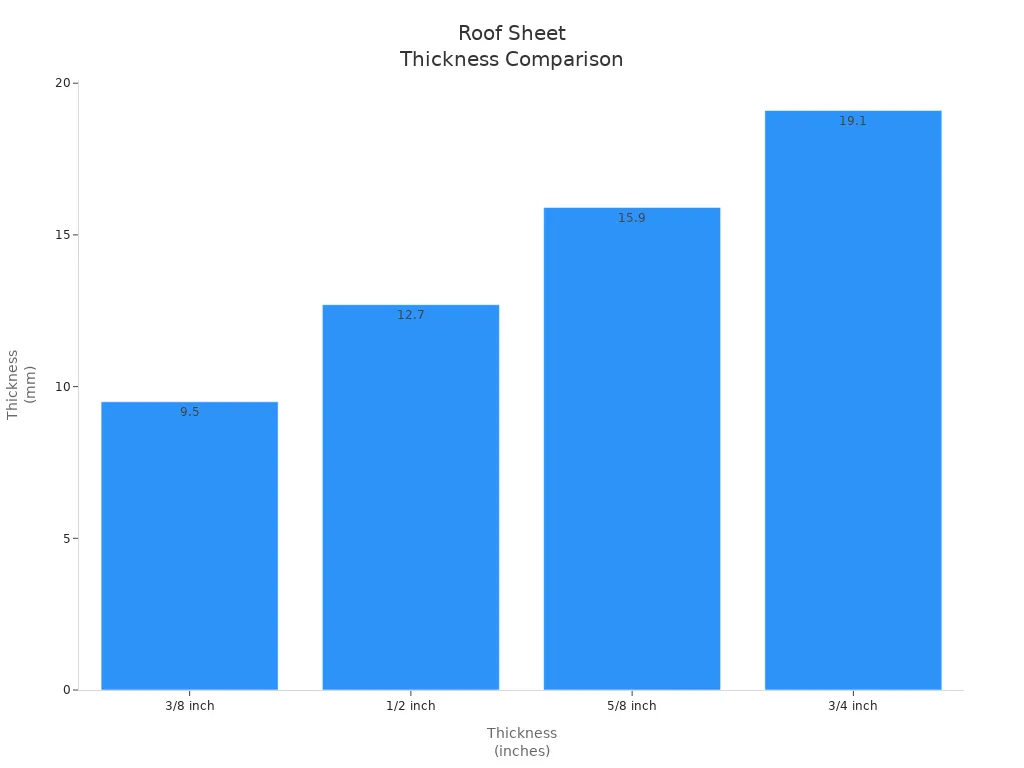
Thickness (inches) | Thickness (mm) |
|---|---|
3/8 | 9.5 |
1/2 | 12.7 |
5/8 | 15.9 |
3/4 | 19.1 |
Building codes and the material, such as LESSO panels or plywood, help decide the right roof thickness for your project. You need to choose the correct roof sheathing to make sure your roof stays strong and safe.
Learn about the usual thickness for roof sheathing. It is between 3/8 inch and 3/4 inch. Pick the right thickness for your project needs.
Pick roof sheets by looking at the material type. Metal sheets are usually 0.4 mm to 1.2 mm thick. Asphalt sheets are about 3.0 mm thick.
Think about the weather and weight on the roof when picking thickness. Thicker materials protect better from heavy rain, snow, and strong winds.
Always look at local building codes for the least thickness allowed. This helps your roof stay safe and work well.
Ask roofing experts if you are not sure about thickness. Their help can stop mistakes and make your roof last longer.
You need to know the standard thickness for each type of roof sheet before you start your project. The thickness of roof sheet materials varies based on what you want to achieve and the material you select. Most metal roof sheets, such as aluminum or steel, measure between 0.4 mm and 1.2 mm. Asphalt roof sheets usually have a thickness of about 3.0 mm. Polycarbonate roof sheets come in several thickness options, from 0.8 mm up to 20 mm, depending on the application. The table below shows the typical thickness range for popular roof sheet materials:
Material Type | Thickness (mm) |
|---|---|
Metal (Aluminum, Steel) | 0.4 – 1.2 |
Plastic (PVC, Acrylic) | 0.7 – 1.5 |
Fiberglass | 0.8 – 2.0 |
Asphalt | 3.0 |
Polycarbonate | 0.8 – 1.5 |
You can see that polycarbonate roof sheets offer the widest range of thickness options. The chart below helps you visualize how polycarbonate sheet thickness matches different uses:
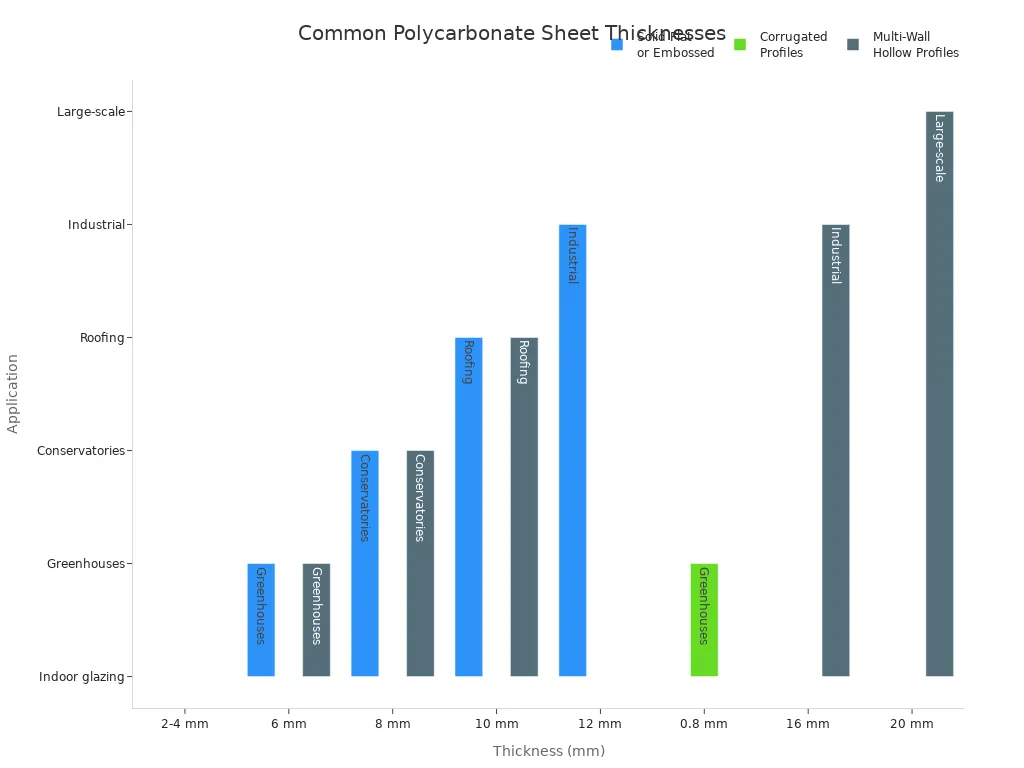
If you want to use roof sheathing, you should check the recommended thickness for your material and application. Roof sheathing thickness often depends on the type of roof and the load it must support.
You must choose the right thickness for your roof sheet and roof sheathing to keep your roof safe and strong. Thicker roof sheets help your roof resist heavy rain, strong winds, and snow. If you use roof sheets that are too thin, you may notice sagging or leaks. Thin metal roof sheets can cause inconsistent quality and may fail over time.
Tip: Always check the climate in your area. If you live where storms or snow are common, you should pick thicker roof sheets and roof sheathing.
Manufacturers consider several factors when deciding the best thickness for roof sheet materials:
Climate: In places with harsh weather, thicker roof sheets protect your roof from leaks and damage.
Structural Load: If your roof needs to hold heavy loads, such as snow or foot traffic, you must use thicker roof sheathing and roof sheets.
Durability: Thicker roof sheets last longer and need fewer repairs.
The thickness of your roof sheathing also affects the safety and durability of your roof. Adequate roof sheathing thickness helps prevent sagging and keeps your roof stable. If you choose the correct thickness, your roof will stand up to unexpected forces and stay weather-resistant.
You should always match the thickness of your roof sheet and roof sheathing to your project needs. This choice helps your roof last longer and keeps your home or building safe.
You need to choose the right roof sheathing thickness for your project. Most builders use plywood or OSB for roof sheathing. The standard thicknesses range from 3/8 inch to 3/4 inch. Many homes use 5/8 inch as the most common size for roof sheathing. You see different thicknesses based on the type of roof and the material you select.
Here is a table showing common sizes for roof sheathing:
Thickness | Material | Application Description |
|---|---|---|
7/16 inch | OSB | Standard thickness for many residential projects, providing adequate strength. |
1/2 inch | OSB | Used in areas with high winds or heavy snow, offering increased stiffness. |
5/8 inch | OSB | Recommended for extreme weather or long spans, ensuring structural integrity. |
For roofing plywood, you should use a minimum thickness of 5/8 inch for standard asphalt shingles. If you install a metal roof, you need at least 3/4 inch thickness. Low-slope roofs also require a minimum thickness of 3/4 inch to prevent water pooling. You must match the roof sheathing thickness to the type of roof decking and the roofing material.
You must consider several factors when choosing roof sheathing thickness. Building codes set minimum thickness requirements for roof sheathing to keep your roof safe and strong. These codes change based on roof type, slope, and your local area. Pitched roofs may need thinner roof sheathing, while flat roofs often require thicker roof decking. Steeper slopes can use less thickness because they carry less load.
Note: Always check your local building codes before you pick roof sheathing thickness. Codes help you avoid problems and keep your roof safe.
Regional codes match the climate and structural needs in your area. Manufacturer guidelines also help you select the right roof sheathing thickness for your roof decking. You should follow these rules to make sure your roof lasts.
Rafter spacing affects the thickness you need for roof sheathing. Wider spacing between rafters means you need thicker roof decking to prevent sagging. If your rafters are close together, you can use thinner roof sheathing.
Climate plays a big role in roof sheathing thickness. In places with heavy snow, you need thicker roof sheathing to support the weight. Thick roof decking helps spread the snow load and keeps your roof from failing. You must think about extreme weather, not just average temperatures. If your area gets a lot of snow or storms, thicker roof sheathing keeps your roof safe and durable.
Roof sheathing thickness matters for more than just strength. The right thickness helps your roof resist sagging and damage. You get better energy efficiency because thick roof sheathing keeps heat inside your home. You also protect your roof decking from leaks and water damage.
Tip: If you feel unsure about roof sheathing thickness, ask a roofing professional or check manufacturer instructions. This helps you avoid costly mistakes.
Choosing the correct roof sheathing thickness gives you a strong, safe, and energy-efficient roof. You protect your home and make sure your roof decking lasts for years.
Synthetic resin roof sheets come in many thicknesses. Most are between 2.3mm and 3.0mm thick. People use these sheets on homes, villas, and country buildings. Synthetic resin is light and stands up well to bad weather. You can put it on new roofs or when fixing old ones.
Thickness | Application |
|---|---|
2.3mm | Rural houses, factories, roof decorations, flat slope projects |
2.5mm | Residential houses, villas, permanent building roof decorations |
2.8mm | Permanent building roof decorations, flat slope projects |
3.0mm | Villas, factories, and various permanent roof projects |
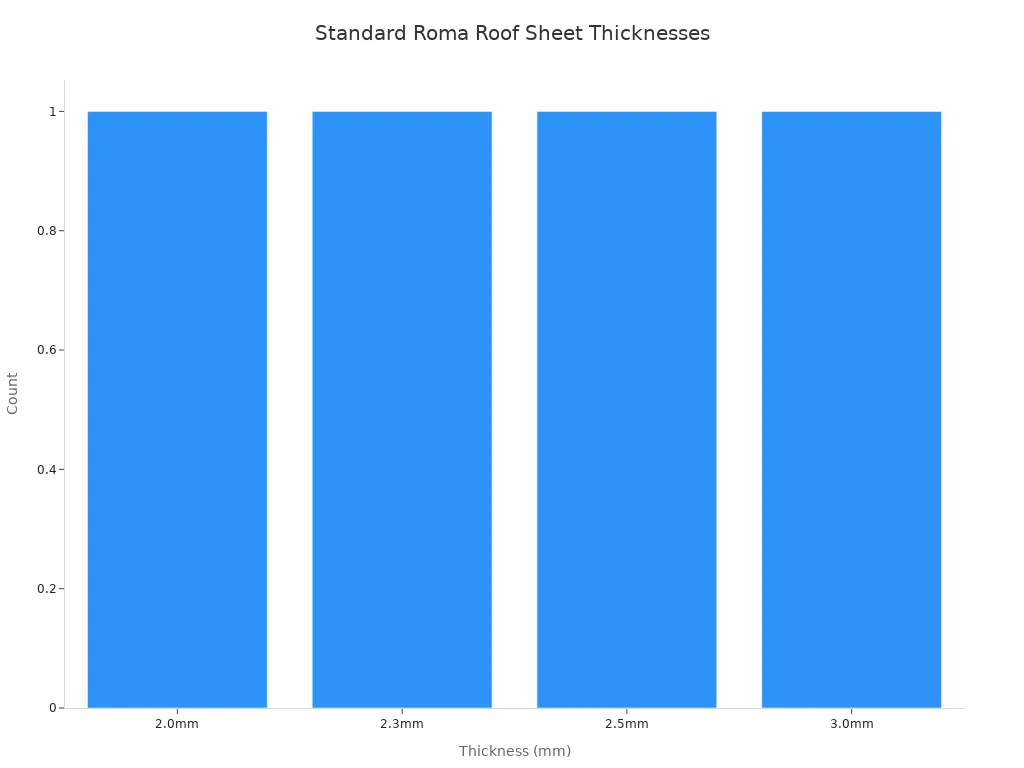
Roma roof sheets have a curved look that is classic. You see them on villas, homes, warehouses, and prefab houses. Their thickness goes from 2.0mm to 3.0mm. Roma sheets work for homes and businesses. They are also used in resorts, hotels, and government buildings.
Thickness | Application |
|---|---|
2.0mm | Villas, houses, warehouses, prefab houses |
2.3mm | Residential, villas, resorts, hotels, government projects |
2.5mm | Shopping malls, high-end residential, temples, schools, hospitals |
3.0mm | Shopping malls, residential areas, supermarkets, temples, schools, hospitals |
UPVC roof sheets protect well from weather and chemicals. You often find them on factories, warehouses, and farm buildings. Most UPVC sheets are between 2.0mm and 3.0mm thick. You can use UPVC on both business and home roofs.
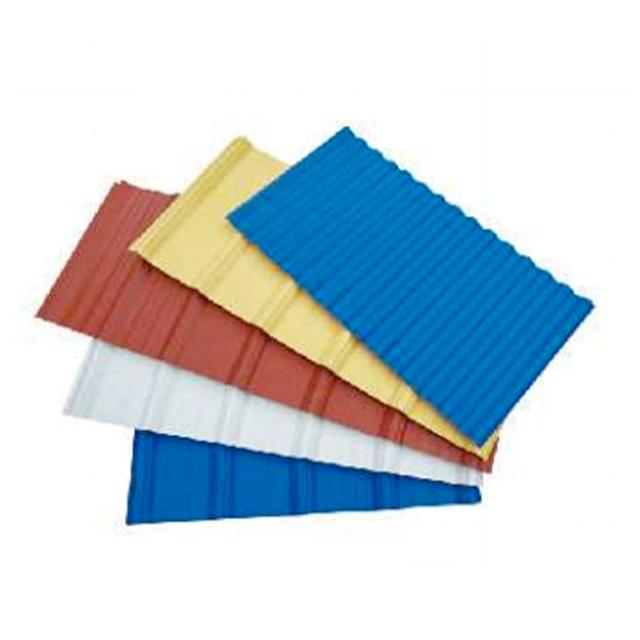
Hollow roof sheets weigh less than solid ones. You see them in greenhouses, sun rooms, canopies, and carports. Hollow sheets are thin and easy to move. They let in more light but still give some strength.
Type | Thickness Comparison | Typical Use Cases |
|---|---|---|
Hollow Sheets | Generally thinner | Greenhouses, light roofs, sun rooms, canopies, carports, eco-dining halls, skylights |
Solid Sheets | Generally thicker | Safety helmets, places needing higher clarity and strength |
Translucent roof sheets let sunlight come through. You can pick from many thicknesses, based on how much light you want. Thin sheets (1-2mm) let in the most light. Thick sheets (16-25mm) give soft, even light for big spaces. These sheets are good for patios, greenhouses, and skylights.
Thickness (mm) | Light Transmission (%) | Description |
|---|---|---|
1-2 | 88-91 | Almost as clear as glass |
3-6 | 75-85 | Good mix of light and strength |
8-10 | 65-75 | Less glare, keeps things bright |
16-25 | 50-60 | Soft, even light for large roof spans |
Tip: Thicker translucent sheets help block glare and control sunlight.
ASA PVC tile roof sheets are strong and look nice. You see them on villas, hotels, gardens, and farm buildings. Most ASA PVC tiles are between 2.3mm and 3.0mm thick. These tiles do not fade and last a long time. They are a good choice for many roofs.
Thickness | Application |
|---|---|
2.3mm~3.0mm | Villas, houses, gardens, granges, container houses, flat to slope projects |
2.5mm-3.0mm | Farms, warehouses, factories, environmental projects |
You can pick from many roof sheathing types to fit your needs. Each type has its own thickness and benefits. Picking the right sheet helps your roof last longer and work better.
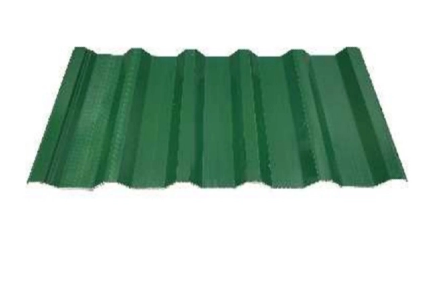
When picking roof sheathing for your house, you need to think about a few things. The weight of your roof is important because rules set limits. Your roof rafters must hold up both the roof sheet and the roof sheathing. If your house has trusses, they can carry more weight. This means you might use thicker materials. The kind of roofing material matters too. Asphalt shingles, wood, and metal all need different thicknesses. You should always look up the minimum thickness for your material.
The weather in your area is also important. The table below shows how climate affects the thickness you should use:
Climate Factor | Impact on Roof Sheathing Thickness |
|---|---|
Snow and Ice Loads | Thicker sheathing helps support snow and ice. This lowers the chance of damage. |
High Wind Areas | Thicker sheathing protects against strong winds. It helps keep your roof safe during storms. |
Humid and Rainy Climates | Thicker sheathing does not warp as easily. It stops leaks and lasts longer. |
Commercial and industrial roofs need thicker materials. These buildings use thicker roof sheets and roof sheathing. They must hold more weight and deal with tough weather. The table below shows common thicknesses for these roofs:
Thickness (mm) | Gauge | Application Description |
|---|---|---|
0.5 | 26 | Used in commercial buildings. It can handle heavy loads and bad weather. |
0.6 | 24 | Used in industrial buildings. It is very strong for hard conditions. |
0.8 - 1.0 | 22-20 | Good for big projects. It gives extra strength in places with harsh weather. |
Commercial roofs must follow strict rules for water, weight, and fire safety. These rules help your roof last longer and stay safe. You might pay more to install these roofs, but they protect your building better.
Here are some steps to help you pick the right thickness for your roof:
Look up local building codes for the minimum thickness for roof sheathing and roof sheet.
Measure the space between your rafters or trusses. If the space is wide, use thicker roof sheathing.
Choose the right thickness for your roofing material. Heavy tiles need thicker sheathing.
Use thicker roof sheathing if you live where hurricanes, snow, or strong winds happen.
Tip: Always check local rules and ask a roofing expert if you are not sure. They help you follow safety rules and pick the best thickness for your roof.
Picking the right thickness for your roof sheet and roof sheathing keeps your roof strong, safe, and saves energy.
It is important to check roof material thickness before you choose. Every material has its own usual thickness, strength, and price. This helps you find the best roof for your needs and what you can spend.
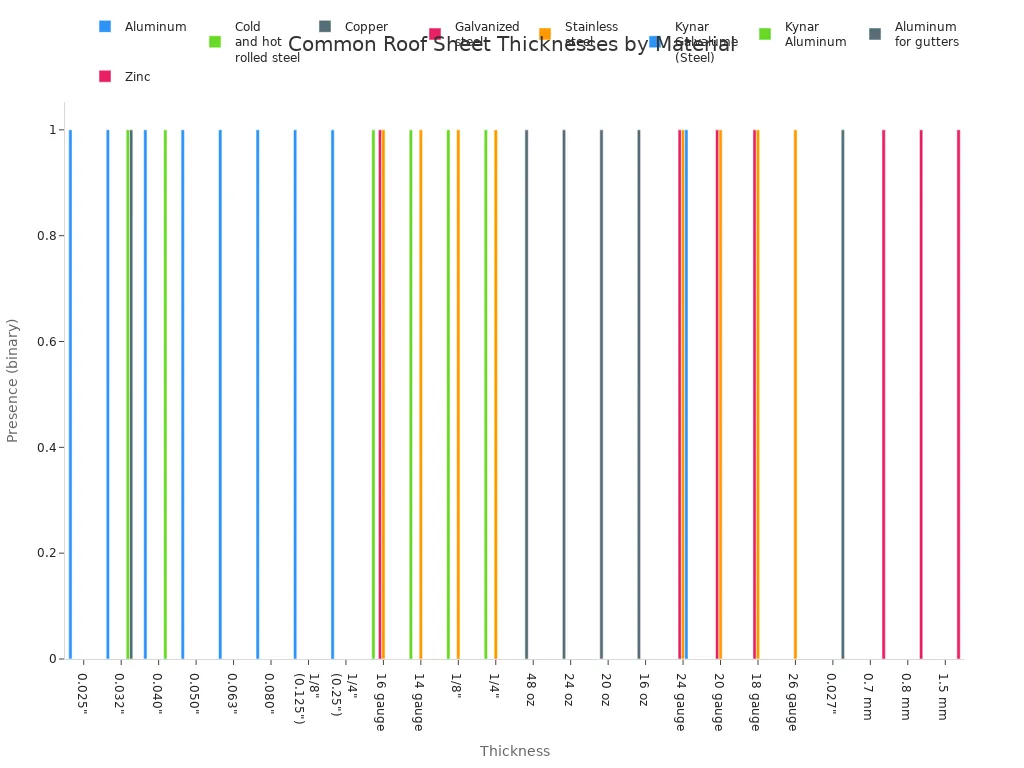
Here is a table with the most common thicknesses for popular roof sheet materials:
Material | Common Thicknesses |
|---|---|
Aluminum | 0.025", 0.032", 0.040", 0.050", 0.063", 0.080", 1/8", 1/4" |
Cold/Hot Rolled Steel | 16 gauge, 14 gauge, 1/8", 1/4" |
Copper | 48 oz, 24 oz, 20 oz, 16 oz |
Galvanized Steel | 24 gauge, 20 gauge, 18 gauge, 16 gauge |
Stainless Steel | 26, 24, 20, 18, 16, 14 gauge, 1/8", 1/4" |
Kynar Galvalume (Steel) | 24 gauge |
Kynar Aluminum | 0.032", 0.040" |
Aluminum for Gutters | 0.027", 0.032" |
Zinc | 0.7 mm, 0.8 mm, 1.5 mm |
You can see how these thicknesses compare in the chart below:
Note: Thicker roof sheets usually last longer and protect better from bad weather, but they might cost more.
When you look at metal roofing, you will see different gauges. Here are some common ones:
22 gauge: 0.0299 inches thick
24 gauge: 0.0250 inches thick
26 gauge: 0.0179 inches thick
29 gauge: 0.0149 inches thick
You should also think about how long the roof will last and how much it costs. The table below helps you compare:
Material | Durability | Cost |
|---|---|---|
Galvanized Steel Sheet | Strong and lasts a long time | Medium to high |
Polyester Painted Sheets | Lasts a while, needs some care | Low to medium |
PVC Plastisol | Can last up to 30 years, resists weather | Medium to high |
Bitumen | Waterproof and lasts long | Medium |
Sheet Metal | Very good in bad weather, light to carry | Medium to high |
Polycarbonate | Tough and resists fire | Medium to high |
Plastic | Not very strong, but cheap | Low |
You need to pick the right thickness for your roof sheathing and roof sheet based on your weather and building type. Thicker materials make your roof stronger and help it last longer, especially if you get lots of snow or wind.
You help keep your roof safe by picking the right thickness. Roof sheathing holds up your roof and stops it from sagging. It gives a strong base for your roofing materials. It also helps keep out rain and wind. The right thickness protects your home from bad weather. It also helps keep your house warm or cool. If you are not sure, ask a roofing contractor for help. Use good materials for your roof. Check your roof often to make it last longer and keep your home comfy.


