
close
Choose Your Site
Global
Social Media
Author: Site Editor Publish Time: 2025-09-29 Origin: Site


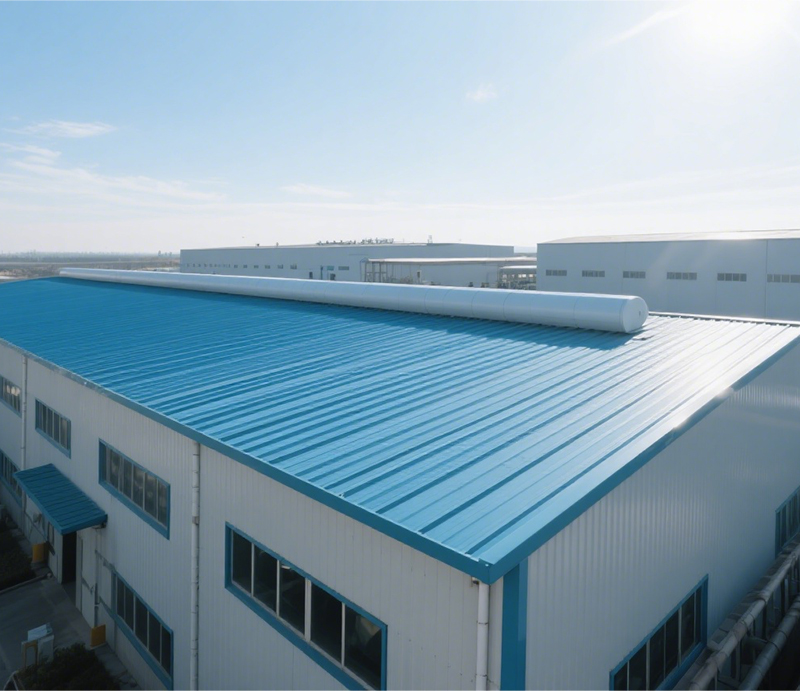
You want a roof sheet that keeps your home cool and comfortable in hot climates. ASA PVC Tile by LESSO stands out because it blocks harmful UV rays, stays strong, and needs little care. Choosing the right roofing material can lower indoor temperatures and cut air-conditioning costs by up to 20%. Roofs with better heat reflectivity can save up to 26% of energy use. When you select your roofing, think about your local climate, your budget, and the look you want for your home.
Pick ASA PVC Tile because it blocks UV rays well and needs little care. It helps your house stay cool and keeps looking nice for a long time.
Choose roofs that reflect heat to keep your house cooler. This can lower your air conditioning bill by up to 20%.
Use insulation to keep cool air inside your house. Insulation works best with roofs that reflect heat.
Strong roofs are important. Pick roofing that can handle hot sun and sudden weather changes. This helps you avoid fixing your roof often.
Think about how much the roofing costs. Spending more at first can save you money on energy bills later.
Think about the environment. Roofs that save energy make less pollution and help the earth.
Roofs that are light in color are best for hot places. They bounce sunlight away and help keep your house cool.
Take care of your roof often. Check it two times a year to find problems early and help it last longer.
When picking a roof for hot places, you should think about a few things. These things help your house stay cool. They also help you save money and keep your roof safe for a long time.
Heat reflectivity means how well a roof sends sunlight away. Roofs that reflect heat keep your house cooler. They also help you pay less for energy. You want a roof that sends the sun’s rays away, not soaks them up. This matters a lot in very hot places.
Tip: Roofs with high-albedo can help you feel cooler and use less energy.
Here is a simple chart:
Roof Type | Temperature Difference (°C) | Cooling Demand Impact |
|---|---|---|
Dark Roofs | Up to 50°C | Needs more cooling |
High-Albedo Roofs | About 10°C | Needs less cooling |
Tests show roof emissivity changes how much energy you use. If your roof does not reflect heat, your house gets warmer. Your air conditioner has to work harder. Cool roofs can cut down solar heat by almost half. This means your house stays cooler and you spend less.
Insulation stops heat from coming in. It keeps cool air inside your house. Good insulation works with smart roofing to help you feel comfortable. You should pick roofing that has strong thermal power. This helps you use less energy and keeps your house at the same temperature.
Durability is important for roofs in hot places. You want a roof that can handle strong sun and high heat. It should also stand up to sudden weather changes. UV resistance helps stop heat and damage. Strong roofs last longer and need fewer fixes.
Cost is always something to think about. Some roofs that save energy cost more at first. But they help you save money later. You should look at both the price to put it on and the money you save on bills. Sometimes paying more now means saving more later.
You can help the earth by picking energy-saving roofs. These roofs use less energy and make less pollution. Many cool roofs lower harm by blocking heat and needing less cooling. Picking the right roof helps your wallet and the planet.
Note: Experts say you should look for UV resistance, heat reflection, and strength when choosing a roof for hot places.
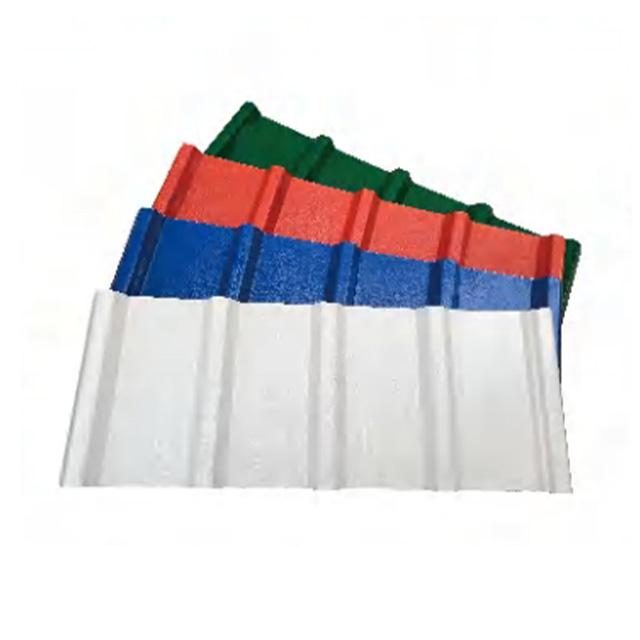
ASA PVC Tile by LESSO mixes UPVC strength with ASA protection. This roof uses a special layer that blocks UV rays. It keeps colors bright for many years. Your roof looks new even after lots of sun.
Here is a chart to show how ASA PVC Tile is different from other roofing materials:
Feature | ASA PVC Tile | Traditional Roofing Materials |
|---|---|---|
Composition | Mixes UPVC and ASA surface protection | Made from asphalt, metal, or clay |
Weather Resistance | Strong weather and UV protection | Not always good against UV |
Installation | Interlocking system for tight fit | Regular ways, may need more care |
Maintenance | Needs little maintenance | Needs repairs often |
The interlocking system makes putting the tiles on easy. It keeps water out, so you do not get leaks. The tile stands up to strong winds and hard hits. Your roof stays safe in storms.
You want a roof that keeps your house cool. ASA PVC Tile does this by bouncing sunlight away and blocking heat. The ASA layer uses special UV blockers. These stop the roof from breaking down and keep it strong.
Tests show ASA PVC Tile keeps its color in bright sun. The pigments stop fading, so your roof looks fresh. The tile is waterproof up to level III. Heavy rain cannot get through.
Here are some main benefits of ASA PVC Tile:
Color stays bright for 10 years, even in strong sun.
The tile does not break from hail or falling branches.
No water gets in, so your house stays dry.
The material does not rust or corrode, even with chemicals.
The tile keeps its shape in hot and cold weather.
Fire rating meets safety rules.
The surface cleans itself, so dust and water do not stick.
ASA PVC Tile needs very little care. The ASA resin makes the tile strong in bad weather. UV blockers stop fading and damage. You do not need to repaint or change tiles often. The tile keeps heat out, so your house stays cooler. This can lower your energy bills. The reflective coating can make the roof up to 15% cooler.
ASA PVC Tile is better than many other roofs for wind resistance. The fastening system holds the tiles tight. Strong winds cannot lift or break your roof.
ASA PVC Tile by LESSO is a modern choice for people who want a strong, nice-looking, and easy roof. LESSO works hard to make good products. You can trust this roof to protect your house in hot places. It gives you comfort for many years.
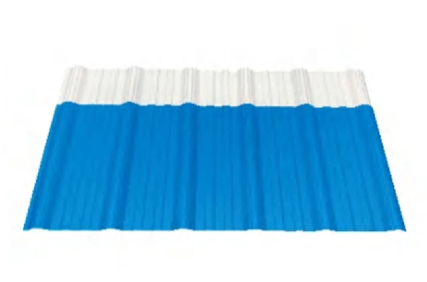
Metal roofing sheets give you a strong choice for hot climates. You see them on homes, schools, and factories. They last a long time and stand up to tough weather. You can pick from several types, each with special features.
Aluminum roofing sheets work well in hot places. They resist rust and weigh less than other metals. You can install them easily. Aluminum reflects sunlight, so your house stays cooler. You do not need to worry about corrosion, even if you live near the sea.
Steel roofing sheets offer strength and durability. Many steel roofs use a galvanized coating to stop rust. You find steel in standing seam, corrugated, and shingle styles. Steel handles high winds and heavy rain. You can paint steel sheets to match your home.
Stone-coated metal roofing sheets look like clay or concrete tiles. They use a steel base covered with stone chips. This style gives you the look of traditional tiles with the strength of metal. Stone-coated sheets resist fading and damage from the sun.
Here is a table showing common types of metal roofing and their features:
Type of Metal Roofing | Features and Characteristics |
|---|---|
Standing Seam Metal Roofing | Raised seams running vertically, watertight, lasts 50+ years, resists extreme weather, mold, mildew, fire. |
Metal Shingles | Mimics classic shingles, durable, long life, interlocking for easy installation, less mildew growth. |
Corrugated Metal Roofing | Distinct undulating texture, hot-dipped galvanized steel, rust-resistant, affordable. |
Zinc Roofing | Durable, changes color over time, fire-resistant, inhibits mold and mildew growth. |
Copper Roofing | Striking appearance, changes color over time, available in tiles, shingles, panels, sheets. |
Metal roofing sheets give you many benefits in hot climates. You can count on them to keep your home safe and cool.
Metal roofs reflect a lot of sunlight. This helps you keep indoor temperatures lower and can cut air conditioning costs by up to 50%.
You do not need to worry about extreme heat. Metal does not break or curl, so your roof lasts longer.
You spend less time and money on care. Metal roofs can last 40 to 70 years with little maintenance.
Metal roofs reflect solar radiant heat. This lowers the load on your HVAC system and helps you save energy.
Tip: If you want the best results, choose reflective metal roofing. It works well as one of the top hot weather roofing materials.
You should know about some drawbacks before you choose metal roofing sheets.
Metal roofs do not insulate well. Metal conducts heat, so you may lose energy.
Metal can absorb and hold heat. This can raise indoor temperatures and increase cooling needs.
You might feel temperature changes inside your home. Metal roofs can cause imbalances and discomfort.
You can add insulation under the metal sheets to help with these issues. This makes your home more comfortable and energy-efficient.
You might notice clay tiles on many homes in hot regions. These tiles have a long history and still work well today. Clay tiles can handle high temperatures without breaking down. Unlike asphalt shingles, they do not degrade quickly in the sun. You can expect clay tiles to last between 50 and 100 years. This long lifespan means you will not need to replace your roof often, which saves money and reduces waste.
Clay tiles have a high thermal mass. This means they absorb and store heat during the day. At night, they release the heat slowly. Your home stays cooler in the afternoon and evening. You use less air conditioning, which helps you save energy. Clay tiles also reflect about 33% of the sun’s rays. Asphalt roofs only reflect 5% to 15%. This higher reflectivity keeps your house cooler.
Clay tiles have a lower water absorption rate of about 6%. This helps resist mold, mildew, and staining, making them more suitable for hot climates.
You will also find that clay tiles do not rot. They resist fire and insects, so you do not have to worry about frequent repairs. Air can move beneath the tiles, which helps regulate rooftop temperatures. Clay tiles keep their shape and strength during storms and high winds. They also protect your home from harmful UV rays.
Concrete tiles look similar to clay tiles, but they have some differences. You can choose concrete tiles if you want a strong and affordable option. Concrete tiles last between 40 and 70 years. While this is less than clay tiles, it is still much longer than many other roofing materials.
Concrete tiles have a lower thermal mass than clay tiles. They do not absorb and store as much heat. This makes them less effective at keeping your home cool in very hot weather. Concrete tiles still provide good protection from the sun and rain. They resist fire and insects, just like clay tiles. You can find concrete tiles in many shapes and colors to match your home’s style.
Both clay and concrete tiles offer many benefits for hot climates. Here is a table to help you compare their lifespan and durability:
Material | Lifespan | Durability Benefits |
|---|---|---|
Clay Tiles | 50 - 100 years | Withstand hot climates, torrential rains, and high-speed winds. |
Concrete Tiles | 40 - 70 years | Durable but less longevity compared to clay tiles. |
You will find these advantages with clay and concrete tiles:
Clay tiles help lower energy use by reducing heat gain.
They reflect more sunlight than asphalt roofs.
Clay tiles release heat at night, keeping your home cooler.
Both types resist fire, insects, and harsh weather.
You will spend less time and money on maintenance.
Clay and concrete tiles give you a strong, long-lasting roof that works well in hot climates. You can enjoy a cooler home and save on energy bills.
When you look at clay and concrete tiles for your roof, you should know about some drawbacks. These tiles work well in hot climates, but they also have some problems that can affect your home and your budget.
Here is a table that shows the main drawbacks of each material:
Material | Drawbacks |
|---|---|
Concrete Tiles | Prone to moisture absorption, unevenness, brittle nature, and fracturing under heavy loads. |
Clay Tiles | Susceptible to cracking in extreme cold, but less prone to mold and mildew compared to concrete. |
You might notice that concrete tiles can absorb a lot of moisture. This can cause the tiles to become uneven over time. When tiles shift, your roofline may look wavy or uneven. Water can also seep in, which may lead to leaks or damage inside your home. Concrete tiles can absorb up to 13% of moisture, which is much higher than clay tiles. This makes them more likely to have problems in hot and humid places.
Clay tiles do not absorb as much water. They only take in about 6% of moisture. This helps prevent mold and mildew from growing on your roof. However, clay tiles can crack if the weather gets very cold. If you live in a place with big temperature changes, you might see cracks appear after a cold snap.
Both clay and concrete tiles have another issue. They are heavy. Your roof needs strong support to hold up these tiles. If your house does not have a sturdy frame, you may need to pay extra to reinforce it before installing these tiles.
Here are some common drawbacks you should consider:
Concrete tiles may absorb moisture, leading to uneven surfaces and possible leaks.
They are brittle and can break under heavy loads, such as falling branches or people walking on the roof.
Clay tiles can crack in extreme cold, even though they resist mold and mildew better than concrete.
Both types are heavy and may require extra support for your roof structure.
Repairs can be costly because you often need to replace whole tiles, not just patch small areas.
Note: You should always check if your home can handle the weight of clay or concrete tiles before choosing them. Regular inspections help you catch cracks or broken tiles early.
Choosing clay or concrete tiles gives you a strong and long-lasting roof, but you need to think about these challenges. If you understand the cons, you can make a better choice for your home in a hot climate.
You can put special coatings on your roof. These coatings help keep your roof cool in hot weather. They reflect sunlight and lower the roof’s temperature. Sherwin-Williams makes coatings that bounce away infrared rays. This keeps the coating and metal roof cooler. The color stays bright for a long time. The roof lasts longer too.
Cool roof coatings work because they reflect lots of sunlight. They also let heat escape easily. You can pick different types for different roofs:
Asphaltic membranes with shiny granules
Liquid coatings in light colors
Fluid membranes in light colors
Light-colored roofing stones
For steep roofs, you can use:
Asphalt shingles with light granules
Roofing tiles in cool colors
Materials that reflect in one direction
Metal shingles with shiny coatings
Polymer shingles with light colors
Wood shingles that stay cool naturally
These coatings stop your roof from soaking up heat. Your roof stays cooler. Your house feels more comfortable. You save energy because your air conditioner does not work as much.
Tip: A shiny coating can make your roof cooler and last longer.
Reflective roof sheets are another way to keep cool. These sheets bounce sunlight away from your house. They work better than regular roofing materials.
Feature | Reflective Roof Sheets | Traditional Roofing Materials |
|---|---|---|
Solar Radiation Reflection | High | Low |
Heat Absorption | Low | High |
Indoor Temperature Control | Excellent | Poor |
Energy Efficiency | High | Moderate |
Reflective sheets help you keep indoor temperatures lower. You use less energy to cool your home. This saves you money on bills. You also help the earth by using less electricity.
You want a roof that works well when it is hot. Cool roofs do this job. They make the roof surface cooler. They help keep heat out of your house. Your home feels better during the hottest months.
Studies show cool roofs save energy in hot places. You can see savings on your energy bills every year. Cool roofs also make your home more comfortable by stopping heat from coming in. During the hottest times, like summer afternoons, reflective roofs can save you 15% to 30% on energy use.
Evidence Type | Findings |
|---|---|
Energy Savings | Cool roofs save energy in Climate Zones 1-3. You spend less money each year. |
Thermal Comfort | Cool roofs make homes more comfortable. They stop heat in summer and work like black roofs in winter. |
Peak Demand Reduction | Reflective roofs can save 15% to 30% during busy energy times, especially on hot afternoons. |
When you choose a cool roof, your home stays cooler. You save money and help the environment too.
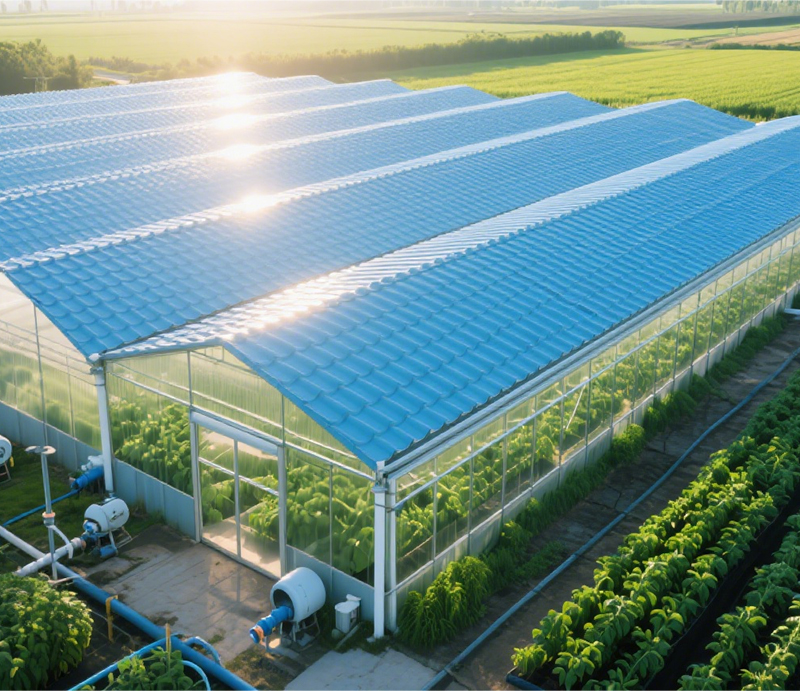
Membrane roofs are a new way to keep homes cool. These roofs use sheets made from rubber or plastic. You see them on flat or low-slope buildings. They work well in hot places because they reflect sunlight. This helps your house stay cooler.
EPDM means Ethylene Propylene Diene Monomer. It looks like a big rubber sheet. You can pick black or white EPDM for your roof. Black EPDM soaks up heat, which helps in cold places. White EPDM is better for hot climates. It reflects sunlight and keeps your roof cooler than dark ones.
EPDM is thick and blocks heat from getting inside. Your house stays cooler. You use less air conditioning, so you save money. EPDM lasts a long time and does not crack in the sun. You can trust it to protect your home for years.
EPDM membrane roofing is great for hot places. It resists heat and saves energy. Its thick structure stops heat from passing through. You can pick black or white sheets for different seasons. White EPDM reflects lots of sunlight. This lowers roof temperatures and cooling costs.
TPO stands for Thermoplastic Olefin. This roofing is popular in hot areas. TPO roofs are usually white or light-colored. These colors bounce sunlight away and keep buildings cool.
Here are some reasons TPO works well in hot weather:
TPO roofing reflects sunlight and does not soak up much heat.
White or light TPO keeps buildings cooler in summer.
TPO roofs can cut cooling energy by 10% to 15%.
TPO needs little care. Its smooth surface does not get dirty or moldy easily.
Most TPO is recyclable and does not have harmful chemicals. This helps the earth and lowers pollution.
Many people pick TPO for homes and businesses in hot places.
Membrane roofs have many good points for hot climates. They reflect sunlight, save energy, and last a long time. Here is a table to compare the main pros of different membrane roofs:
Roofing Type | Pros |
|---|---|
TPO | Great UV reflectivity, inexpensive, quick installation |
PVC | Flexible, great sun reflectivity, longer-lasting restoration systems |
EPDM | Highly flexible, durable |
Membrane roofs help keep homes cooler and lower energy bills. They use materials that are easy to recycle. If you want a roof that stands up to the sun and saves money, membrane roofs are a smart pick.
When you look at membrane roofs for hot climates, you should know about some drawbacks. These roofs work well in many ways, but they also have some limits. Understanding these cons helps you make a smart choice for your home or building.
Membrane roofs can get punctured or torn more easily than some other roofing materials. If someone walks on the roof with sharp shoes or drops a tool, the membrane might get damaged. Tree branches, hail, or even animals can also cause holes or rips. When this happens, water can leak into your house.
Tip: You should check your membrane roof often for any signs of damage. Quick repairs help prevent bigger problems.
You may notice that membrane roofs do not last as long as metal or tile roofs. Most EPDM and TPO roofs last about 15 to 25 years. In very hot places, the sun can make the material break down faster. You might need to replace the roof sooner than you expect.
Installing a membrane roof takes skill. If the installer does not do the job right, the seams may not seal well. Poor installation can lead to leaks or bubbles under the surface. You should always hire a trained professional for this type of roof.
Membrane roofs have seams where the sheets join together. These seams can become weak over time. Water can get in through these spots, especially if the roof is old or the weather is harsh. Regular checks help you catch leaks early.
Some membrane roofs use chemicals that are not good for the environment. Old membranes may end up in landfills. While TPO is more eco-friendly than some options, not all membrane roofs are easy to recycle.
Here is a table to help you see the main cons:
Drawback | What It Means for You |
|---|---|
Puncture Risk | Needs careful use and regular checks |
Shorter Lifespan | May need replacement sooner |
Installation Issues | Must hire skilled professionals |
Seam Leaks | Needs regular inspection and repair |
Environmental Impact | Not always recyclable |
Remember: Every roofing material has pros and cons. You should weigh these points before you decide on a membrane roof for your home.
You can find green roofs on city buildings or in hot places. A green roof has layers of soil and plants on top of a waterproof sheet. This living layer acts like a shield. Plants soak up sunlight and water, which cools the roof. The soil and plants also help insulate your home. This keeps your house cooler on hot days.
Green roofs change with the weather. The plants need sunlight, rain, and the right temperature to stay healthy. In sunny and hot areas, green roofs can make rooftops much cooler than regular roofs. The plants and soil help stop heat from getting inside your home. This means you use less energy to keep cool.
Studies show green roofs help a lot in hot climates. They make homes more comfortable and save energy. If you add solar panels to a green roof, you can save even more energy. In very hot places near the equator, this can make your home up to 2% more energy efficient.
Green roofs have many good points, especially in hot weather. Here are some main benefits:
Green roofs lower the temperature around your house. This helps in places where heat builds up fast.
The soil and plants add insulation. Your house stays cooler in summer, so you use less air conditioning.
You save energy because your cooling system does not work as hard.
Green roofs help fight the urban heat island effect. Cities with lots of green roofs feel cooler, which helps everyone, especially people who are sensitive to heat.
Plants on your roof can clean the air and give homes to birds and insects.
Note: How much energy you save with a green roof depends on your local climate and how healthy the plants are. In hot and sunny places, you get the biggest benefits.
You should know about some problems with green roofs before you choose one. Here are some main challenges:
Challenge | Description |
|---|---|
High Upfront Cost | Green roofs need special materials and skilled workers, so they cost more at first. |
Maintenance Requirements | You must water, weed, and check the plants and drainage often. |
Building Limitations | Not all buildings can hold the extra weight without strong support. |
Increased Structural Load | The soil and plants add weight, so you need to check your building’s strength. |
Potential for Leaks and Pests | If the waterproof layer breaks, you might get leaks or pests like bugs and rodents. |
You will spend more money when you first install a green roof. It costs more because you need special supplies and workers. You also have to care for the plants. This means watering, weeding, and checking the drains often. Some buildings cannot hold the extra weight. You may need to make your roof stronger, which costs more. There is a chance of leaks if the waterproof layer gets damaged. Sometimes, green roofs attract bugs or rodents.
Tip: Always ask a roofing expert if your building can hold a green roof and learn how to take care of it.
Many homes use asphalt shingles because they cost less and are easy to put on. In hot places, these shingles have some problems. The color of your shingles is important. Dark shingles take in more heat. This can make your attic hotter and wear out the shingles faster. Light-colored shingles bounce sunlight away. This helps your roof last longer.
Good ventilation is also needed. Air moving under the roof stops heat and moisture from building up. This keeps shingles from breaking too soon. Very hot weather makes shingles get bigger during the day and smaller at night. This can cause cracks and damage over time.
Here is a table that shows what affects asphalt shingles in hot weather:
Factor | Impact on Heat Resistance and Lifespan |
|---|---|
Shingle Color | Dark colors soak up heat and may wear out faster; light colors reflect heat and last longer. |
Ventilation | Good airflow stops heat and moisture buildup, protecting shingles from early damage. |
Climate | High temperatures make shingles expand and shrink, which can cause cracking and shorter lifespan. |
Tip: Pick light-colored shingles and make sure your attic has good airflow. This helps your roof last longer in hot places.
Asphalt shingles have many good points for people who want to save money. You can find them in lots of colors and styles. It is easy to match your house. Some shingles are made to bounce heat away. This can help lower your cooling bills.
Cost less and easy to buy
Made to reflect heat, so you pay less for cooling
Many colors and styles to pick from
Can last 20–30 years if you take care of them
Pros | Details |
|---|---|
Affordability | One of the cheapest roofing choices |
Heat Resistance | Some shingles bounce sunlight away |
Variety | Lots of colors and styles |
Lifespan (20-30 years) | Can last a long time with good care |
Note: Asphalt shingles are a smart choice if you want to save money and still have a nice-looking roof.
You should know about the problems with asphalt shingles in hot places. These shingles can wear out faster when it is very hot. When shingles get bigger and smaller all the time, they can crack. You may need to replace your roof sooner than with other materials. Asphalt shingles can soak up a lot of heat. This makes your attic warmer and can raise your cooling bills if your roof does not have good airflow. In wet places, algae can grow on the shingles. Many new shingles have things added to stop this.
May wear out faster in very hot weather
Do not last as long as tile or metal roofs
Can soak up heat and make your attic hotter
Can crack from changing temperatures
Algae can grow in wet places
Cons | Details |
|---|---|
Durability issues | May not last as long in tough weather |
Shorter lifespan compared to premium roofs | You may need to replace them more often |
Heat absorption | Can make your home warmer without good airflow |
Thermal shock and algae growth | Cracking and stains can happen |
Remember: If you live where it gets very hot, you may need to change asphalt shingles more often than other roof types.
You want a roof that can handle high temperatures. Heat resistance means the roof keeps your home cool by blocking or reflecting the sun’s rays. Some roofing materials do this better than others.
ASA PVC Tile uses a special ASA layer that reflects sunlight and blocks UV rays. Your home stays cooler, and the roof does not fade.
Metal roofs bounce back a lot of solar energy. You can add coatings to make them even more reflective. This helps lower your cooling bills.
Clay and concrete tiles let air flow under them. This natural ventilation helps keep your attic cooler. Light-colored tiles reflect more sun.
Cool roofs have a high Solar Reflective Index (SRI). They reject heat very well and keep the roof surface much cooler than dark roofs.
Membrane roofs, like TPO and white EPDM, reflect sunlight and resist heat buildup.
Green roofs use plants and soil to block heat. The living layer acts like a shield against the sun.
Asphalt shingles can get very hot, especially if they are dark. Light-colored shingles do better, but they still absorb more heat than other options.
Tip: If you live in a very hot area, pick a roof with high reflectivity or natural ventilation. This helps your home stay cool and saves energy.
Energy efficiency means your roof helps you use less electricity to cool your home. The best roofing materials for hot climates reflect sunlight and keep heat out.
Roofing Type | Energy Efficiency Features |
|---|---|
ASA PVC Tile | Reflects sunlight, blocks UV, keeps attic cooler |
Metal Roofing | High reflectivity, can reduce utility bills by up to 40% |
Clay/Concrete Tile | Reflects sun, allows airflow, reduces heat gain |
Cool Roofs | High SRI, rejects heat, lowers cooling costs |
Membrane Roofs | White TPO/EPDM reflect sun, lower roof temperature |
Green Roofs | Plants insulate and shade, reduce energy use |
Asphalt Shingles | Light colors reflect some heat, but less efficient than other types |
You can see that cool roofs and metal roofs with reflective coatings work very well. ASA PVC Tile also stands out because it blocks UV and keeps its color. Clay and concrete tiles help by letting air move under the roof. Green roofs add insulation with plants and soil.
Note: Choosing energy-efficient roofing materials can lower your air conditioning costs and make your home more comfortable.
Durability tells you how long your roof will last and how well it stands up to weather. You want a roof that can handle sun, rain, wind, and time.
ASA PVC Tile resists UV rays, strong winds, and heavy rain. The color stays bright, and the tiles do not rust or corrode.
Metal roofs last 40 to 70 years. They resist fire, wind, and pests. You do not need to worry about rust if you choose aluminum or coated steel.
Clay tiles can last 50 to 100 years. They resist fire and insects. Concrete tiles last 40 to 70 years but can absorb more water.
Cool roofs last longer because they do not get as hot. The coatings protect the roof from sun damage.
Membrane roofs last 15 to 25 years. They resist UV rays but can tear if something sharp hits them.
Green roofs protect the waterproof layer below. The plants and soil add weight, so your building must be strong enough.
Asphalt shingles last 20 to 30 years. They can crack or wear out faster in very hot places.
If you want a roof that lasts a long time, look at metal, clay, or ASA PVC Tile. These options give you strong protection and fewer repairs.
When you choose a roof for a hot climate, you need to think about the cost. Some roofing materials cost more at first, but they save you money over time. Others cost less to install, but you may spend more on repairs or energy bills.
Here is a table that shows the average cost for each roofing type. The prices include materials and installation for a standard home.
Roofing Material | Initial Cost (per sq. ft.) | Long-Term Savings | Notes |
|---|---|---|---|
ASA PVC Tile | $5 – $8 | High | Saves on energy and repairs |
Metal Roofing | $6 – $12 | High | Lasts long, low upkeep |
Clay Tiles | $10 – $18 | High | Very durable, costly upfront |
Concrete Tiles | $8 – $12 | Medium | Less expensive than clay |
Cool Roofs | $4 – $8 | High | Lowers cooling bills |
Membrane Roofs | $3 – $7 | Medium | Good for flat roofs |
Green Roofs | $15 – $25 | High | Needs special structure |
Asphalt Shingles | $2 – $5 | Low | Cheapest, wears out faster |
You see that asphalt shingles cost the least to install. Clay tiles and green roofs cost the most. ASA PVC Tile and metal roofing cost more than asphalt, but you save money because they last longer and need less repair.
Tip: If you want to save money over time, look at the total cost, not just the price to install. Roofs that last longer and lower your energy bills can help you save more in the future.
You should also think about your budget. If you plan to stay in your home for many years, a higher upfront cost may be worth it. If you want a quick and cheap fix, asphalt shingles may work, but you may need to replace them sooner.
You need to think about your local climate before you pick a roof sheet. Hot climates put extra stress on your roof. Sunlight, high temperatures, and sudden storms can damage some materials faster than others. If you live in a place with strong sun, you want a roof that reflects sunlight and releases heat quickly.
Roofing professionals say you should look for these features:
Solar reflectance: This helps your roof bounce sunlight away. Your home stays cooler.
Thermal emittance: This lets your roof release heat instead of holding it. Your attic will not get as hot.
Durability: Hot weather can wear out some roofs. You want a roof that lasts many years under strong sun.
Insulation properties: Good insulation keeps your home at a steady temperature. You use less energy to cool your house.
Light-colored roofs work best in hot places. They reflect more sunlight and absorb less heat. You can also look for cool roofs. These roofs use special coatings or materials to reflect sunlight and lower roof temperatures. If your area gets heavy rain or strong winds, you should choose a roof with a watertight design and strong wind resistance.
Tip: Always match your roof sheet to your local weather. This helps your roof last longer and keeps your home comfortable.
Your budget plays a big role in your roofing choice. Some materials cost more at first but save you money later. Others cost less to install but may need more repairs or replacement.
You can compare roofing options by looking at:
Initial cost: How much you pay to buy and install the roof.
Maintenance cost: How much you spend on repairs and cleaning.
Energy savings: Some roofs lower your cooling bills. This saves you money every month.
Lifespan: Roofs that last longer give you better value over time.
If you have a tight budget, asphalt shingles or basic metal sheets may fit your needs. If you can spend more, you might choose ASA PVC Tile, clay tiles, or cool roofs. These options often last longer and help you save on energy bills.
Note: Think about both the upfront cost and the long-term savings. A roof that costs more now may save you money in the future.
You want your roof to look good and match your home’s design. Roofing sheets come in many colors, shapes, and textures. Some materials, like ASA PVC Tile, offer modern styles and bright colors that stay fresh for years. Clay and concrete tiles give a classic look. Metal roofs can look sleek and modern or mimic traditional shingles.
When you choose a style, think about:
Roof color: Light colors keep your home cooler. They also look clean and modern.
Roof shape: Some shapes help with airflow and ventilation. This can make your home more comfortable.
Material texture: Smooth tiles look modern. Textured tiles can add character.
You can pick a roof that fits your taste and still works well in hot climates. Many new roofing materials let you combine style with energy-saving features.
Remember: The right roof sheet should protect your home and make it look great. Choose a style that matches your home and your needs.
When you choose a roof sheet for a hot climate, you need to think about how much work it takes to keep your roof in good shape. Some roofing materials need very little care. Others need regular checks and cleaning. If you want to save time and money, you should look at the maintenance needs before you decide.
Why Maintenance Matters
A roof that is easy to care for will last longer. You will spend less on repairs. You will also have fewer problems with leaks or damage. If you pick a roof that needs a lot of work, you might need to hire professionals more often. This can cost more over time.
Maintenance Needs by Roofing Material
Here is a table to help you compare the maintenance needs of popular roofing materials:
Roofing Material | Maintenance Level | Typical Tasks | Special Notes |
|---|---|---|---|
ASA PVC Tile | Very Low | Occasional cleaning | Self-cleaning surface |
Metal Roofing | Low | Check for rust, clean debris | Re-coat if needed |
Clay Tiles | Medium | Inspect for cracks, clean moss | Replace broken tiles |
Concrete Tiles | Medium | Clean algae, check for shifting | Heavier, may need support |
Cool Roofs | Low | Clean surface, check coating | Reapply coating sometimes |
Membrane Roofs | Medium | Inspect seams, patch holes | Watch for punctures |
Green Roofs | High | Water plants, weed, check drainage | Needs regular gardening |
Asphalt Shingles | Medium | Remove debris, check for curling | Replace damaged shingles |
Tip: If you want a roof that almost takes care of itself, look for materials with self-cleaning surfaces or strong UV protection.
What You Might Need to Do
Cleaning: Most roofs need cleaning to remove dirt, leaves, or moss. Some, like ASA PVC Tile, have a surface that sheds dirt and water. You will not need to clean these as often.
Inspections: You should check your roof at least twice a year. Look for cracks, loose tiles, or signs of wear. Metal and membrane roofs need you to check for rust or punctures.
Repairs: Some roofs, like clay or concrete tiles, may crack or shift. You will need to replace broken pieces. Asphalt shingles can curl or break, so you may need to swap them out.
Special Care: Green roofs need the most work. You must water the plants, pull weeds, and make sure the drainage works. If you do not like gardening, this may not be the best choice.
How to Choose Based on Maintenance
Ask yourself these questions:
Do you want to spend time on roof care?
Can you do simple repairs, or will you need to hire help?
Does your area have lots of trees or dust that could make cleaning harder?
If you want a roof that is easy to care for, ASA PVC Tile and metal roofing are smart picks. These materials need little work and last a long time. If you enjoy gardening and want to help the environment, a green roof could be right for you, but it will take more effort.
Remember: The less time you spend on maintenance, the more time you have to enjoy your cool, comfortable home.
ASA PVC Tile stands out in hot climates because it reflects sunlight, blocks UV rays, and needs little care. You get a roof that stays strong and looks new for years. When you choose a roof, compare all your options and think about your needs. Talk to a roofing expert for advice that fits your home.
Ready to upgrade? Explore new roofing solutions like ASA PVC Tile for a cooler, safer home.


