
close
Choose Your Site
Global
Social Media


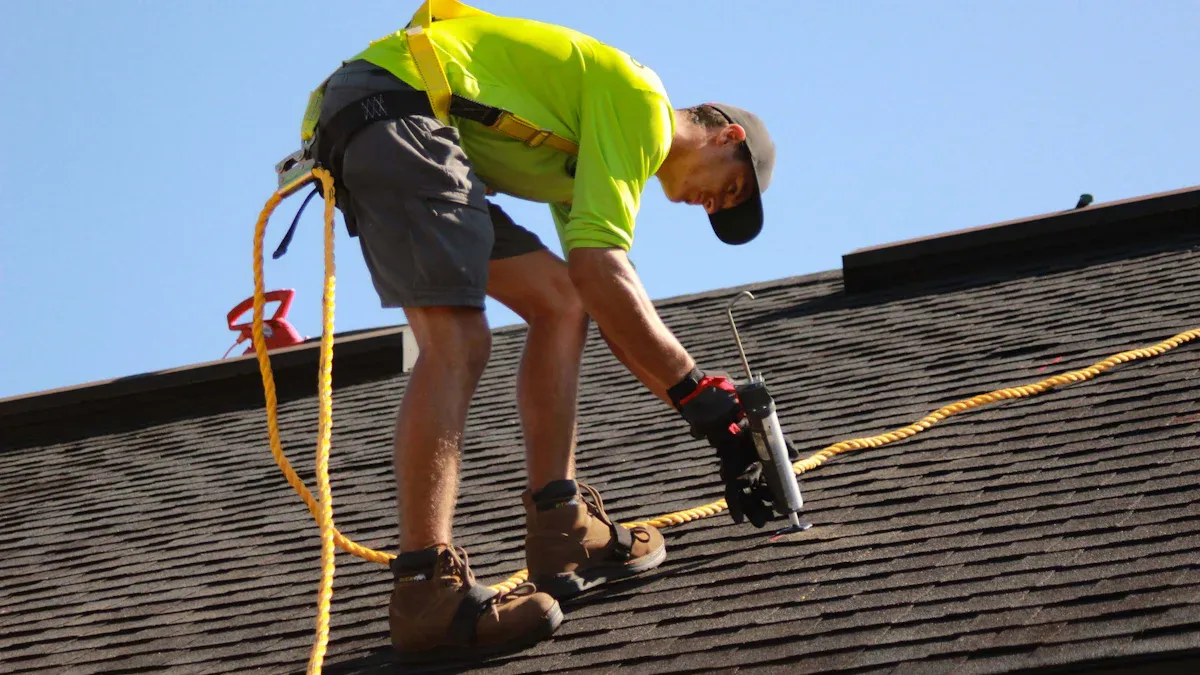
You can calculate roof sheet area by following easy steps. Good measurements help you avoid buying too much or too little material. Many people use LESSO roofing products for excellent results. You should measure every part of your roof, even if it seems simple. Remember, a roofing calculator is helpful and provides quick answers. You do not need special skills to measure your roof sheet.
It is important to measure carefully when you figure out roof sheet area. Measure each part of your roof by itself so you do not make mistakes.
Use this formula: Roof Area = Length × Width × Roof Slope Factor. This formula helps you get the real area, especially if your roof is sloped.
Always get 5-10% more sheets than you need. This covers mistakes and makes sure you have enough for your job.
Use tools like tape measures, laser tools, and roofing calculators. These help you measure and calculate exactly.
Check your math and measurements before you buy materials. This stops expensive mistakes and helps your project go well.
You can find the roof sheet area by using a simple formula. First, measure the length of your roof. Next, measure the width. Multiply the length and width together. This gives you the roof’s area. If your roof is sloped, use a slope factor. The slope factor helps you get the real roof area, not just the flat size.
Here is a table that shows the steps:
Step |
Description |
|---|---|
1 |
Find Roof Surface Area: Roof Area = Length × Width × Roof Slope Factor |
2 |
Find Effective Coverage Per Sheet: Effective Sheet Area = (Sheet Length – Overlap Length) × (Sheet Width – Overlap Width) |
3 |
Find Number of Sheets Needed: Number of Sheets = Roof Surface Area ÷ Effective Sheet Area |
4 |
Add Waste Factor: Total Sheets = Number of Sheets × (1 + Waste Factor) |
Use this formula every time you estimate roof sheets. This way, you get the real roof area and avoid mistakes. Many people forget the slope factor. This causes errors in their calculation. Always check your measurements before you start.

Follow these easy steps to find roof sheet area for any job:
Measure each part of your roof. Write down the length and width for each part.
Multiply the length by the width for each part. This gives you the area for that part.
If your roof is sloped, multiply the area by the slope factor. This helps you get the total roof area.
Add up all the areas to get the total roof area.
Find the coverage of each sheet. Subtract the overlap from the sheet length and width.
Divide the total roof area by the effective sheet area. This tells you how many sheets you need.
Add extra sheets for waste. Most experts say to add 5-10% for offcuts and mistakes.
Tip: Measure each roof part by itself. This makes your calculation more accurate. It helps you buy the right number of sheets.
Here is a table that explains why measuring each part matters:
Aspect |
Details |
|---|---|
Method |
Measure each roof part, including triangles, trapezoids, and rectangles. |
When to Use |
For roofs with cuts, valleys, dormers, steep slopes, or many sides. |
Benefits |
Gives better quotes, less waste, fewer changes, and matches aerial reports. |
Try not to make common mistakes when you find roof sheet area. Wrong measurements can make your project cost 7-15% more. Forgetting overhead costs or using just one estimate can limit your choices. Bad presentation of your calculation can make your project look less professional.
Common Mistake |
Impact on Costs |
|---|---|
Wrong measurements |
Adds 7-15% to project costs |
Forgetting overhead costs |
Makes you guess too low on expenses |
Using only one estimate |
Limits choices and possible earnings |
Bad presentation of estimates |
Hurts trust and credibility |
Not checking old estimates |
Makes you repeat mistakes |
You can avoid these problems by checking your calculation and measuring every roof part. This helps you get the real roof area and makes your roof sheet estimate more trustworthy.
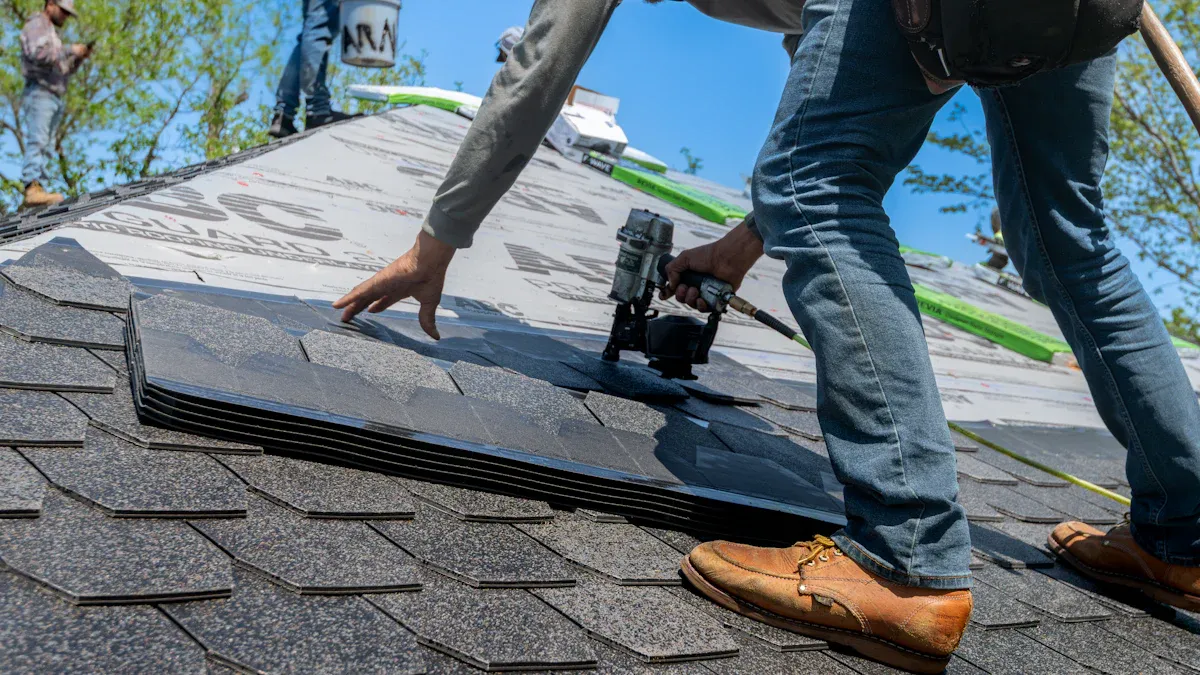
You need the right tools to get accurate roof measurements. Using the correct equipment helps you avoid mistakes and keeps you safe. Here are some tools you should have before you start:
Tape measure: Use this for manual measurements of length, width, and height.
Laser measurement tools: These give you quick and precise results, especially for large areas.
Drones: These help you capture aerial images for complex or big roofs.
Roofing estimator apps: Enter your numbers, and these apps calculate the roof area and material needs.
Ladder and safety equipment: Always use these to stay safe while working on the roof.
Tip: Always double-check your tools before you climb up. Safety comes first when you measure a roof.
Start by measuring the length and width of each section of your roof. Write down every number. If your roof has different shapes, like rectangles or triangles, measure each part by itself. This method gives you the most accurate results.
Use your tape measure or laser tool to get the length and width.
For complex roofs, break the area into smaller shapes and measure each one.
Add the areas together to get the total roof area.
You may use feet or meters for your measurements. Make sure you use the same unit for every part. Mixing units can cause errors in your calculations. If you need to convert, remember that 1 meter equals about 3.28 feet.
Unit Used |
Conversion Needed? |
Why It Matters |
|---|---|---|
Feet |
No |
Consistent for US projects |
Meters |
No |
Common in many other regions |
Mixed |
Yes |
Avoids mistakes in totals |
Note: Consistent units make your roof measurements more reliable.
The pitch of your roof changes the total area you need to cover. A steeper pitch means you need more roofing sheets. To measure pitch, follow these steps:
Gather a tape measure, a level, and a notebook.
Place the level flat against the roof rafter.
Measure 12 inches along the level from the rafter.
Measure the vertical rise from the roof surface to the 12-inch mark. This number is your pitch.
Write the pitch as a ratio, like 6:12.
After you find the pitch, use a pitch multiplier to adjust your area calculation. Multiply your flat roof area by this number. This step gives you the real surface area, not just the flat size. If you skip this, you might underestimate how many sheets you need. The pitch affects not only the main roof but also features like hips and valleys. Accurate measurements help you avoid running out of materials.
When you want an accurate roof sheet estimation, you need to use the roof sheet calculation formula. This formula helps you figure out how many sheets you need for your roof area. You must consider the size of each sheet, the overlap between sheets, and extra material for waste.
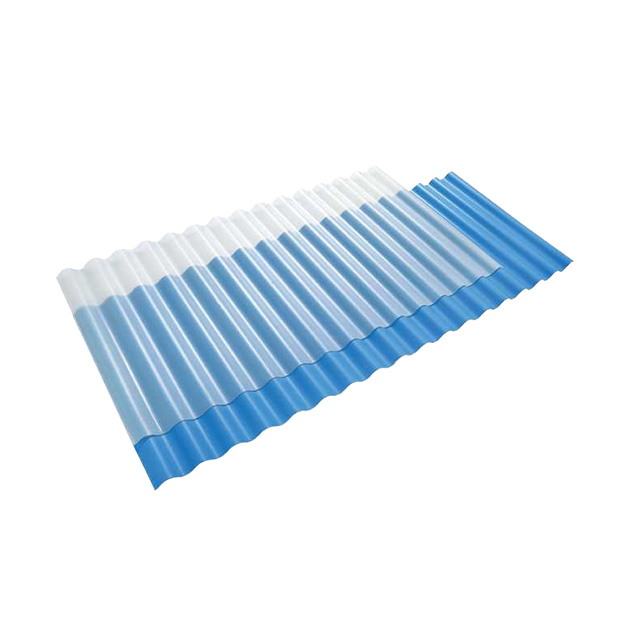
Start by checking the standard sizes for roof sheets. You will find different profiles and materials in the market. Each sheet comes in specific lengths and thicknesses. The most common types include corrugated metal panels, synthetic resin roof sheets, UPVC roof sheets, hollow roof sheets, and translucent roof sheets. You should always choose a sheet that fits your roof area and matches your project needs.
Here is a table showing standard sheet sizes:
Profile Size |
Material Options |
Standard Lengths |
Gauge Thickness |
|---|---|---|---|
2-1/2" x ½" |
Corrugated & Perforated |
Custom |
18-20-22-24 |
2.67" x 7/8" |
Galvalume, Aluminum |
8', 10', 12' |
18-20-22-24 |
2.67" x 3/4" |
Galvalume, Aluminum |
8', 10', 12' |
18-20-22-24 |
You need to measure your roof area and then divide it by the effective area of one sheet. The effective area is the part of the sheet that actually covers the roof after you account for overlaps.
You must include overlaps in your roof sheet calculation formula. Overlaps prevent leaks and make your roof stronger. For side overlaps, keep at least one profile or corrugation. For end overlaps, use a minimum of 150mm if your roof pitch is 10° or higher. If your roof pitch is lower, increase the end overlap to 200mm or more.
Follow these steps for accurate sheet calculations:
Align each sheet in the right direction.
Use the manufacturer’s recommendations for overlap.
Secure sheets with sealants and fasteners.
Keep overlaps consistent across the roof.
Think about expansion and contraction of materials.
Tip: Always add extra sheets for waste and offcuts. Most experts suggest adding 5-10% to your total sheet count. This helps you cover mistakes and odd-shaped roof areas.
The roof sheet calculation formula lets you plan for every part of your roof area. You avoid running short on sheets and keep your project on track.
A roofing calculator helps you estimate the number of sheets you need for your roof. You enter the length and width of each roof section. You also add the roof pitch. The calculator uses these numbers to find the total roof area. It then divides the area by the effective coverage of one sheet. This gives you the number of sheets needed.
Most calculators let you break your roof into smaller parts. You can enter rectangles, triangles, or other shapes. The calculator adds up all the areas. It also uses a pitch multiplier to adjust for sloped roofs. You get a more accurate estimate this way.
Here is a table showing some popular calculators:
Calculator Name |
Features |
Limitations |
|---|---|---|
Roofing Calculator |
Estimates roof area and materials needed |
May not account for complex shapes accurately |
Free Roofing Calculator |
Estimates costs based on dimensions and materials |
Requires accurate input for best results |
Tip: Always double-check your measurements before using any calculator. This helps you avoid mistakes in your sheet count.
Roofing calculators also help you estimate costs. You enter your roof size and pick a material. The calculator multiplies the area by the price per sheet. You see the total cost right away.
Let’s walk through a simple example. Imagine your roof has two sections. The first section is 20 feet by 15 feet. The second section is 10 feet by 12 feet. Your roof pitch is 6:12.
Measure each section:
Section 1: 20 × 15 = 300 sq ft
Section 2: 10 × 12 = 120 sq ft
Add the areas: 300 + 120 = 420 sq ft
Use a pitch multiplier for 6:12 pitch (about 1.12): 420 × 1.12 = 470.4 sq ft
Each sheet covers 20 sq ft after overlap.
Divide total area by sheet coverage: 470.4 ÷ 20 = 23.52 sheets
Add 10% for waste: 23.52 × 1.10 = 25.87 sheets
Round up: You need 26 sheets.
Note: Many calculators also show the total cost. You enter the price per sheet, and the calculator multiplies it by the number of sheets.
Roofing calculators make it easy to plan your project. You save time and avoid running out of sheets. You also get a better idea of your total roof cost.
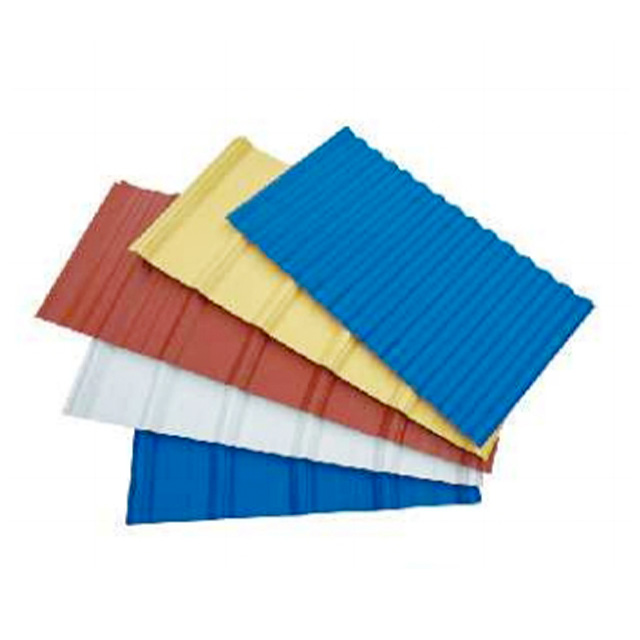
Some roofs have many slopes or shapes. These roofs are called complex roofs. To find the area, split the roof into smaller parts. This works for hip and mansard roofs. First, break the roof into rectangles or triangles. For a hip roof, measure each slope. Add the areas of all four slopes. For a mansard roof, measure the upper and lower slopes. Find the area for each part. Add them together. Always measure each part by itself. Use the right formula for each shape. This way, you get the right number of roof sheets. You will not miss any part. You will order the total sheets you need.
Good measurement is very important for your roof project. Follow these tips for best results. Measure every part, even small ones like dormers and overhangs. Do not skip any area. Use laser tools or roof pitch calculators for better results. Pick a safe way to measure. You can measure from the ground. You can use aerial images. You can climb up if you feel safe. Check all your numbers before you buy materials.
Tip: Small mistakes in measurement can waste sheets or cost more money. Always follow the manufacturer’s rules. Do a field measurement before you buy.
Some people make mistakes by not measuring the roof right. Some forget to adjust for pitch. These errors can slow down your project and cost more. Always check your math to get the right number of roof sheets.
Sometimes you need help from a professional. This is important for tricky roof designs or when you need exact measurements. A professional knows how to handle pitch and overhangs. When you pick a contractor, look for these things:
Ask how they measure the roof and if they use new tools.
Look at their references and reviews.
Make sure they give clear estimates.
Pick someone with lots of experience.
Getting expert help makes sure you order the right sheets. Your project will finish without problems.
You can figure out roof sheet area by following easy steps. Use modern tools to help you measure. Always check your measurements with a pitch multiplier. Make sure you include overhangs in your numbers. A roofing calculator helps you know how much material you need. This also helps you waste less. When you finish your area calculations, make a list of materials. Talk to a supplier for advice about cost and what to buy. Careful planning keeps your project on time. It stops you from running out of materials or having too much waste.
If you guess the pitch wrong or miss a part, you might not have enough materials. This can slow down your roof project.


