
close
Choose Your Site
Global
Social Media
Author: Site Editor Publish Time: 2026-03-13 Origin: Site


As global construction shifts toward greener standards, the choice of roofing material has become a pivotal decision for architects and homeowners alike. Conventional roofing often ends up in landfills, contributing to massive environmental waste. However, Hollow Roof Tiles are emerging as a game-changer in the sustainable building sector. They offer a unique combination of structural efficiency and environmental responsibility.
The core intent of this guide is to explore the lifecycle of Hollow Roof Tiles, focusing specifically on their recyclability and inherent eco-friendly traits. These tiles are not just about covering a building; they solve critical problems like high energy consumption and material waste. By utilizing a Double layer design, they provide superior thermal performance while remaining Lightweight. In this expert insight, we will break down why these tiles are the gold standard for modern, sustainable architecture.
The most significant environmental advantage of Hollow Roof Tiles is their place in the circular economy. Unlike asphalt shingles that take centuries to decompose, many modern Hollow Roof Tiles consist of high-grade polymers or clay-based composites that are 100% recyclable at the end of their lifespan.
When a building is decommissioned or a roof is replaced, these tiles do not need to sit in a landfill. Instead, they can be ground down and re-processed into new roofing sheets or other construction materials. This "cradle-to-cradle" approach drastically reduces the carbon footprint associated with raw material extraction. Furthermore, the Anti corrosion properties of these tiles mean they last longer than traditional options, which naturally reduces the frequency of replacements and the volume of waste generated over decades.
One of the primary eco-friendly features of this material is how it handles temperature. The "hollow" aspect is not just for show; it creates a natural air gap. This Insulated chamber acts as a thermal barrier, preventing external heat from penetrating the building interior.
By choosing Heat resistant Hollow Roof Tiles, property owners can see a massive drop in cooling costs during summer months. The air trapped within the Double layer structure minimizes heat transfer. It keeps the attic space significantly cooler than standard metal or flat plastic sheets. This reduction in AC usage directly translates to lower CO2 emissions from power plants.
The internal geometry of the tile is engineered to slow down thermal conduction. Because air is a poor conductor of heat, the hollow core serves as a persistent shield. This makes the Hollow Roof Tiles an active participant in a building's energy management system rather than just a passive cover.
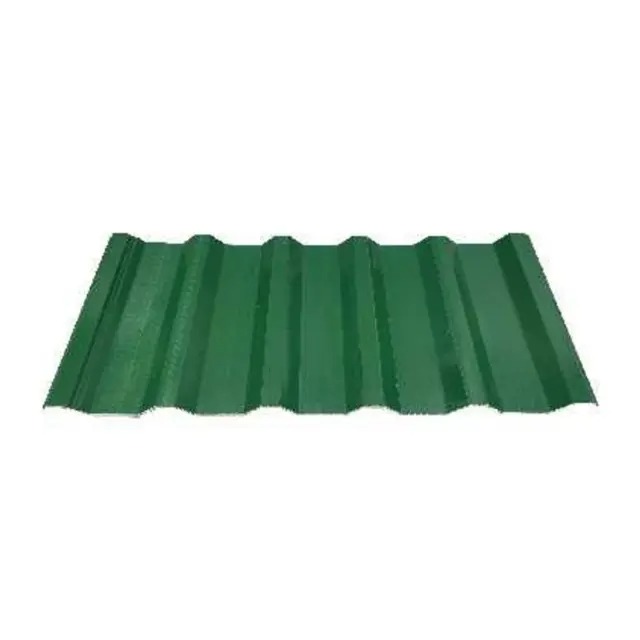
The environmental impact of a product starts long before it reaches the job site. Logistics and transportation contribute heavily to a project’s carbon debt. Because these are Lightweight Hollow Roof Tiles, they offer a two-fold environmental win during the shipping and installation phases.
Fuel Efficiency: More tiles can be transported per truckload because they weigh significantly less than concrete or traditional ceramic tiles. Fewer trips mean less diesel fuel consumed.
Structural Support: Because they are so Lightweight, the supporting roof structure requires less timber or steel. Saving on these sub-materials further preserves natural resources.
Installation Speed: Workers can handle these tiles more easily, reducing the time and heavy machinery needed on-site.
| Material Type | Weight per Sq. Meter (Approx.) | Recyclability | Energy Efficiency |
| Hollow Roof Tiles | 5 - 8 kg | High (100%) | Excellent (Insulated) |
| Clay Tiles | 40 - 50 kg | Medium | Good |
| Asphalt Shingles | 10 - 15 kg | Low | Poor |
| Concrete Tiles | 50+ kg | Medium | Moderate |
A roof is only as "green" as its lifespan. If a material needs replacing every ten years, it isn't truly sustainable. Hollow Roof Tiles are engineered for the long haul. Most high-quality versions feature Anti corrosion treatments or are made from materials naturally resistant to chemical breakdown.
They withstand acid rain, coastal salt air, and industrial pollutants without degrading. This durability is a cornerstone of their eco-friendly nature. By extending the replacement cycle to 30 or 50 years, we significantly lower the cumulative environmental impact. Furthermore, their Heat resistant nature prevents the warping or cracking often seen in cheaper PVC or bitumen products when exposed to intense UV radiation.
Sustainable roofing also involves what happens when it rains. Traditional roofing materials can sometimes leach harmful chemicals (like petroleum by-products or heavy metals) into the runoff water. Hollow Roof Tiles are typically made from inert materials that keep rainwater clean.
Many eco-conscious homeowners use their roofs as a catchment area for gardening or gray-water systems. The smooth, Anti corrosion surface of these tiles ensures that the water collected is free from toxic debris. It makes it much safer for storage and secondary use.
Because the colors and protective layers are often integrated into the Double layer structure during manufacturing, there is no paint to peel or flake off into the ecosystem. This protects local soil and groundwater health around the building perimeter.
To truly understand the "Expert Insight" of this theme, we must look at how Hollow Roof Tiles solve the problems created by legacy materials. Traditional roofing is often a "take-make-waste" model, whereas hollow designs prioritize functional longevity.
Dark asphalt roofs act as "heat sinks," contributing to the urban heat island effect. In contrast, Heat resistant Hollow Roof Tiles reflect a higher percentage of UV rays. Their Double layer design ensures that even if the surface gets warm, the heat doesn't migrate downward.
The hollow design is a masterclass in "doing more with less." It uses a specific amount of material to create a high-strength Double layer geometry. This provides the same (or better) impact resistance as solid tiles but uses up to 40% less raw material. It is the definition of resource efficiency.
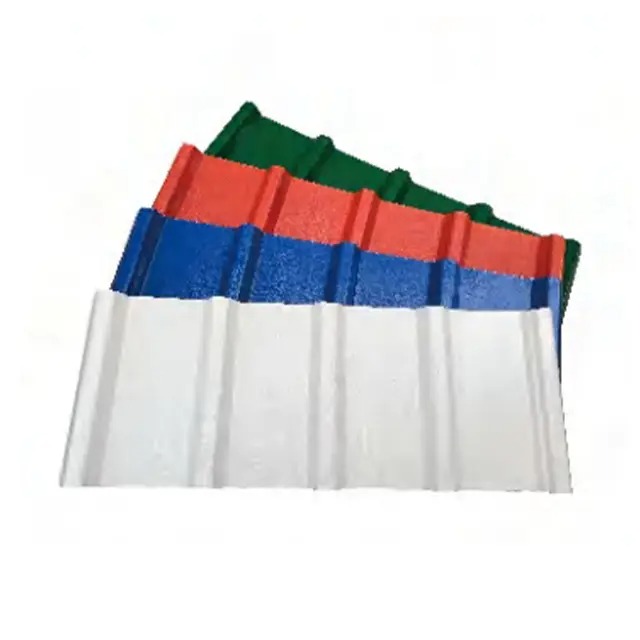
An eco-friendly material only works if it is installed correctly. For Hollow Roof Tiles, the installation process itself can be optimized to reduce waste.
Precision Cutting: Because these tiles are often made from high-grade composites, they can be cut precisely, reducing off-cut waste.
Overlap Efficiency: The Double layer design usually features interlocking mechanisms. This reduces the need for toxic adhesives or excessive fasteners.
Solar Integration: Their Lightweight nature makes them an ideal base for solar panel installations. They can support the extra weight of solar racks without requiring expensive structural reinforcements to the house.
When sourcing Hollow Roof Tiles, experts look for specific certifications that prove their eco-friendly claims. It is not enough to just say a product is "green."
ISO 14001: This ensures the manufacturer follows strict environmental management systems.
Recycled Content Percentage: Check how much of the tile is made from "post-consumer" or "pre-consumer" recycled material.
VOC Emissions: Ensure the tiles have low Volatile Organic Compound ratings to maintain air quality around the home.
Using these tiles helps projects qualify for LEED (Leadership in Energy and Environmental Design) points, making them a top choice for commercial green building certifications.
Hollow Roof Tiles represent the future of sustainable construction. By combining a Lightweight profile with a powerful Insulated Double layer design, they address the most pressing issues in roofing today: energy loss and material waste. Their Heat resistant and Anti corrosion properties ensure they stay on the roof and out of the landfill for decades.
Choosing Hollow Roof Tiles is an investment in both your property and the planet. They offer a rare win-win scenario where you save money on utilities while participating in a truly circular economy.
Q: Are Hollow Roof Tiles as strong as solid ones?
A: Yes. The Double layer structure is designed using geometric principles that provide high impact resistance while using less material. They are frequently used in areas with heavy rain and wind.
Q: Can these tiles be used in extreme cold?
A: Absolutely. Their Insulated properties work both ways. In winter, the air gap helps retain heat inside the building, while the material remains flexible enough to avoid cracking in freezing temperatures.
Q: Are they difficult to recycle?
A: No. Most are made from thermoplastic composites or pure clay, which are some of the easiest construction materials to melt down or grind for re-use.
As a professional leader in the roofing industry, we operate a massive, high-tech production base where quality and sustainability are our core pillars. Our factory is equipped with the latest automated lines to produce high-performance Hollow Roof Tiles that meet global standards. We don't just sell roofing; we provide engineered solutions. Our strength lies in our rigorous R&D, ensuring every sheet is Anti corrosion, Heat resistant, and perfectly Insulated. When you work with us, you are partnering with a factory that has the scale to supply major international projects while maintaining the precision required for high-end sustainable architecture.


