
close
Choose Your Site
Global
Social Media
Author: Site Editor Publish Time: 2026-06-02 Origin: Site


Traditional metal roofs in chemical processing plants face a grim reality today. They typically fail within two to three years. Severe pitting corrosion destroys their protective layers rapidly. This rapid degradation forces costly production downtime. It also demands constant emergency repair work. Highly corrosive environments expose building materials to harsh reactive vapors. Acid rain and shifting pH levels compound this damage daily. Finding a resilient material becomes critical. You must protect expensive factory machinery. You also need to ensure completely uninterrupted plant operations. Relying on vulnerable steel inevitably leads to dangerous structural compromises.
Fortunately, an engineered non-metallic alternative exists. The UPVC roof sheet provides ultimate defense. Manufacturers design it specifically for harsh acid, alkaline, and high-humidity environments. Moving beyond upfront pricing is essential for facility managers. A true roofing evaluation requires looking deeply into material structural integrity. You must also examine strict fire compliance and long-term 30-year lifecycle costs.
Chemical Immunity: UPVC resists acid, alkali, and salt vapor corrosion, eliminating the rust vulnerabilities found at metal fastener points and overlaps.
Structural Resilience: Multi-layer co-extrusion (often integrating fiberglass) provides high tensile strength (90-140 MPa) while mitigating thermal expansion.
Compliance & Safety: Meets strict B1 fireproof standards (Oxygen Index ≥ 32.4) and delivers exceptional thermal (0.325 w/m.k) and acoustic insulation.
Lifecycle ROI: Achieves significantly lower 30-year maintenance costs and zero replacement cycles compared to corrugated metal or standard polycarbonate.
Chemical plants operate under remarkably extreme environmental conditions. Their daily operations constantly generate reactive vapors like sulfur dioxide and chlorine. Corrosive industrial dust settles heavily across the entire rooftop. Factory exhaust vents push high-temperature air outward constantly. These localized factors mix dangerously with shifting pH levels from seasonal rain. Standard building materials simply cannot survive this hostile mixture. They break down rapidly under this continuous chemical assault.
Traditional metal roofs inherently fail at specific vulnerability points. Nail holes and sheet overlaps represent the primary points of failure. Fasteners pierce the protective metal coatings during installation. Micro-vibrations from heavy plant machinery slowly widen these tiny holes. Acidic moisture and corrosive vapors seep into these microscopic gaps. Galvanic corrosion begins immediately. This ultimately causes severe micro-leaks. Acidic water drips directly onto expensive machinery below. It also risks contaminating highly sensitive chemical production batches. You simply cannot afford these operational disruptions.
A successful industrial roof must deliver specific, measurable results. It requires absolute zero-downtime maintenance. It must offer complete structural immunity to chemical vapor. It also needs strict compliance alongside industrial safety codes. You need materials engineered specifically for industrial survival. Relying on basic shelter materials exposes your entire operation to unacceptable financial risks.
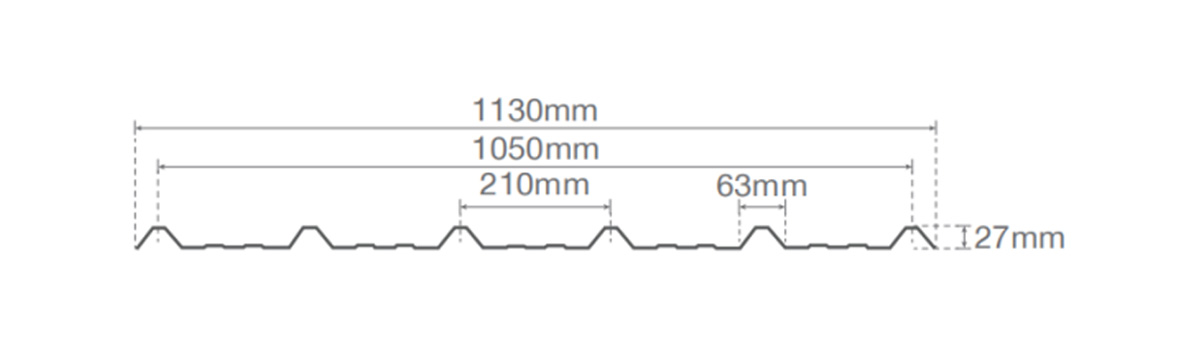
Unplasticized polyvinyl chloride offers highly unique chemical properties. Manufacturers purposefully remove standard plasticizers during the production process. Standard PVC relies heavily on these plasticizers for basic flexibility. However, these same additives cause standard plastics to become brittle over time. Unplasticized versions resist this degradation completely. They maintain their rigid strength and chemical immunity for decades without cracking.
Premium synthetic resin roof sheets utilize a highly advanced multi-layer co-extrusion model. This innovative manufacturing structure stacks different engineered materials into one solid panel.
Top Layer (Weather/UV): Manufacturers coat the upper surface using advanced ASA resin. This delivers extreme UV stability and excellent long-term color retention.
Reinforcement Layer: They integrate a sturdy fiberglass mesh internally. This adds vital tensile strength. It actively prevents panels from sagging across wide purlin spans.
Core & Bottom Layers: Dense bottom layers provide high-level thermal insulation. They also reduce interior noise by 25 to 30 dB during heavy rain. The bottom perfectly seals against internal chemical vapor.
Empirical evidence firmly backs these architectural claims. Industry benchmarks prove remarkable long-term durability. These panels survive 24-hour full immersion in 10% sulfuric acid. They show absolutely zero surface degradation afterward. Furthermore, they boast a highly impressive heat deflection temperature of 82°C. They remain structurally sound even above processing vats.
Many facility managers still believe metal represents the safest roofing material. This dangerous misconception poses significant operational risks. Metal transfers ambient heat almost instantly. Intense facility fires can quickly compromise overhead structural steel. Furthermore, the specialized anti-corrosion chemical coatings applied to metal can easily ignite under direct heat. This accelerates flame spread across the ceiling.
Industrial-grade plastics follow a very different fire safety mechanism. They achieve a strict B1 flame-retardant rating. These materials feature a remarkably high Oxygen Index exceeding 32.4. Normal atmospheric air contains only about 21% oxygen. Therefore, the material simply cannot sustain combustion naturally in ambient air. It forces itself to self-extinguish immediately when removed from a direct flame. This aligns closely to rigorous ASTM E84 safety equivalents.
Energy efficiency offers another massive operational advantage for large plants. These panels feature a high solar reflectance index (SRI). Their thermal conductivity measures approximately 0.325 w/m.k. This is roughly 1/2000th the thermal conductivity of standard steel. They block external solar radiation efficiently. This drastically lowers interior workshop temperatures during summer. Ultimately, it reduces the heavy daily electrical load on your cooling systems.
Smart procurement shifts focus away from the initial purchase price alone. You must evaluate the complete 30-year lifecycle evaluation horizon. Examining long-term maintenance expenses reveals the true financial impact of your roofing choice. Initial savings often vanish entirely due to maintenance burdens.
Corrugated metal carries a temptingly low upfront cost. However, it demands constant and expensive rust treatments. Maintenance teams must apply rust-proofing sealants every few years. Even with perfect maintenance, chemical environments destroy the metal. You will typically face two to three full roof replacements over a standard 30-year operational span.
Polycarbonate (PC) offers a moderate initial investment. Yet, it remains highly vulnerable to aggressive UV yellowing. Long-term sun exposure degrades its structural impact resistance rapidly. As it becomes brittle, hail and debris cause fracturing. Facilities usually require one or two complete replacements to maintain a watertight seal.
Premium solutions like a modern ASA roof tile present a moderate-to-higher initial cost. However, ongoing maintenance expenses drop to near-zero. These advanced surfaces remain entirely self-cleaning during rainstorms. They absolutely never rust. They generate strong financial returns through completely uninterrupted plant operations. You benefit from zero expensive replacement cycles.
| Material Type | Initial Cost Level | Primary Vulnerabilities | Expected Replacements (30 Years) |
|---|---|---|---|
| Corrugated Metal | Low | Rust, pitting, vapor corrosion | 2 to 3 full cycles |
| Polycarbonate (PC) | Moderate | UV yellowing, impact brittleness | 1 to 2 full cycles |
| UPVC & ASA Panels | Moderate-High | Installation expansion risks | 0 full cycles |
Selecting the exact right formulation ensures maximum facility performance. Standard non-metallic panels work very well for general industrial use. However, you should definitely specify an APVC roof sheet for your extreme-exposure zones. These advanced panels provide enhanced weatherability and ultimate chemical resistance. They handle aggressive chemical environments like electroplating or fertilizer facilities effortlessly.
Lighting integration also plays a vital role in facility planning. You can strategically install a matching translucent roof sheet across your facility. These specialized skylight panels align perfectly alongside standard opaque profiles. They safely introduce bright natural daylight into the workspace. This reduces daily factory electricity consumption significantly without compromising chemical resistance.
Consider your specific structural profile selection carefully.
Trapezoidal Profiles: These are excellent for rapid water drainage. They offer superior structural rigidity across massive building spans. We highly recommend them for large chemical warehouses.
Corrugated Profiles: These remain ideal for smaller architectural spans. They provide classic aesthetic appeal alongside highly reliable water shedding capabilities.
You must also choose between solid and hollow designs. Single-layer sheets dominate standard factory installations. However, twin-wall hollow designs add a brilliant insulating air gap. We recommend hollow profiles specifically for temperature-sensitive chemical warehousing. They provide maximum thermal barriers against external summer heat.
Even the absolute best roofing materials fail under poor installation. These engineered panels rely entirely on proper structural attachment. Plastic expands and contracts quite differently than metal. Installers must specifically accommodate this natural thermal movement. Ignoring thermal expansion leads directly to panel cracking.
Best Practices: Purlin Spacing and Load Rules
You must strictly adhere to manufacturer-specified purlin spans. Stretching these spans to save money invites structural disaster. Correct spacing prevents dangerous load-bearing failures. It also completely stops panels from sagging downward under extreme high-temperature weather conditions.
Common Mistakes: Fastener Protocols
Never over-tighten your mounting screws. This represents a critical installation error. Installers must always use pre-drilled oversized holes. These intentionally larger holes safely accommodate daily thermal expansion and contraction. Always pair these fasteners utilizing specialized anti-corrosion waterproof caps to protect the steel screws beneath.
Sheet overlapping requires very careful attention in high-wind regions. Heavy-rain environments demand extensive overlap margins. Proper overlap sealing ensures a completely watertight external barrier. It also maintains a strict vapor-proof seal against rising internal chemical fumes.
Specifying engineered plastic roofing represents a highly strategic operational decision. It is never just a simple procurement line item. Upgrading your facility structure drastically reduces chemical plant downtime. It practically eliminates frustrating ongoing maintenance overhead.
Procurement teams should adopt a strict shortlisting logic moving forward. Always request physical material sample testing from suppliers. Perform simple acid immersion tests yourself on site. Verify all load-bearing and fire-rating certifications rigorously before purchase. Finally, consult specialized technical sales teams directly. They will provide a custom profile assessment tailored exactly to your specific chemical processing environment.
A: Yes. High-grade UPVC operates effectively in extreme temperature ranges, typically between -40°C and 80°C. They handle standard chemical exhaust easily. However, highly specific exhaust zones exceeding 80°C may require localized mechanical ventilation design to protect the material from softening.
A: Absolutely. They are incredibly lightweight. This significantly reduces dangerous structural strain on older concrete foundations. Installers can easily adapt them to your existing purlin structures, provided the existing purlin span guidelines meet the UPVC manufacturer's safety specifications.
A: Premium co-extruded UPVC, especially fiberglass-reinforced variants, resists heavy impacts exceptionally well. They are rigorously tested to withstand high-velocity impacts under ASTM D256-23 standards. They easily outperform standard brittle PVC and completely resist the permanent denting common in metal roofing.
A: Standard plastics will fade and become brittle. However, premium panels coated with protective ASA resin prevent this. Engineers explicitly design ASA to block severe UV degradation. This specialized coating ensures lasting structural integrity and exceptional color retention for decades.


