
close
Choose Your Site
Global
Social Media
Author: Site Editor Publish Time: 2026-01-19 Origin: Site


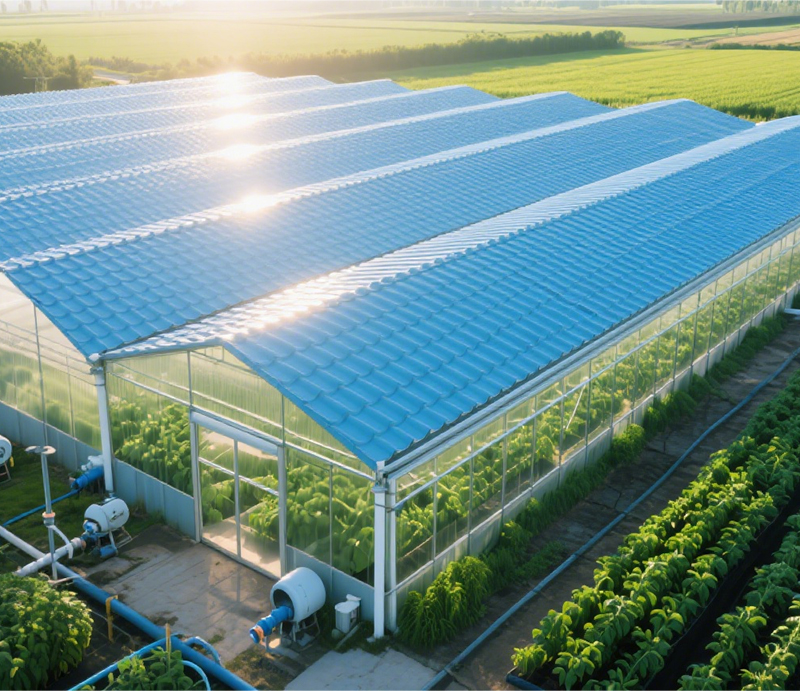
Solar power is revolutionizing the way we build. But what makes BIPV different?
In this article, we’ll dive into the distinction between BIPV (Building-Integrated Photovoltaics) and traditional PV systems. We’ll explore how these two technologies differ in terms of design, application, efficiency, and cost. By the end, you’ll understand which option is best for your needs.
Photovoltaic (PV) systems consist of traditional solar panels that are mounted on the roof or ground to generate electricity. They are the most commonly used solar technology and are typically installed in areas with ample space, such as rooftops or large open fields. PV panels are often used in both residential and commercial buildings for off-grid or grid-connected power generation.
Building-Integrated Photovoltaics (BIPV), on the other hand, are a newer form of solar technology that integrates photovoltaic material directly into the building’s architecture. BIPV systems can replace conventional building materials, such as roof tiles, facades, and windows, with solar panels that generate electricity. BIPV serves a dual function, acting both as a building material and a renewable energy generator, making it a seamless solution for sustainable construction.
The key difference between these two systems is how they are integrated into the building. PV systems are typically installed on top of existing structures, while BIPV systems are integrated into the building design, making them part of the architecture itself.
The primary difference between PV and BIPV is their integration into the building’s structure. PV systems are installed as separate components, usually mounted on the roof, whereas BIPV systems are integrated directly into the building’s structure. BIPV systems can be used as roofing materials, facades, and windows, all while generating solar energy.
PV systems are often more suitable for retrofit applications, where a building already exists and solar panels can be installed on top of the roof. BIPV systems, however, are more commonly used in new construction or major renovations, as they can replace traditional roofing and facade materials with photovoltaic materials that serve both aesthetic and functional purposes.
A significant advantage of BIPV systems is their ability to integrate seamlessly with the building’s design. BIPV systems are available in various colors, shapes, and finishes, which allow architects to create a solar-powered building that is visually appealing and functional. Traditional PV panels, however, are often bulky and noticeable, which may not always align with the aesthetic goals of a building project.
BIPV technology allows for a wide range of design options, making it ideal for projects where aesthetic integration is as important as energy generation. This integration can significantly improve the overall appearance of a building while contributing to its energy efficiency. For example, BIPV roof tiles, facades, and windows blend naturally into the building’s structure, offering both beauty and functionality without compromising on performance.
Tip: For architectural projects that prioritize both energy efficiency and visual appeal, BIPV is a great solution that integrates solar energy seamlessly into the design.
PV systems are widely used in various applications due to their versatility. They can be installed on rooftops, large open spaces, or ground-mounted systems to generate electricity. PV systems are suitable for residential, commercial, and industrial buildings and can be installed on existing structures as part of a retrofit.
PV systems are also popular for off-grid applications where traditional grid connections are not available. They provide a reliable and clean source of electricity, making them an ideal solution for remote locations, outdoor areas, and areas with unreliable power grids. PV systems are highly adaptable and can be used for both small-scale and large-scale energy generation.
BIPV systems are designed primarily for new construction or significant renovations. These systems replace traditional building materials, such as roof tiles, windows, and facades, with solar-integrated materials that generate electricity. BIPV systems are ideal for buildings where energy efficiency, sustainability, and architectural integration are priorities.
In modern commercial, institutional, and residential buildings, BIPV systems are gaining popularity for their aesthetic integration and functional benefits. BIPV systems are increasingly used in high-end buildings, such as sustainable office complexes, university buildings, and residential homes that aim to achieve green building certifications like LEED or BREEAM.
BIPV systems are especially advantageous in urban environments where space is limited, and traditional PV panels cannot be installed. They provide a way to generate clean energy while contributing to the building’s overall design.
Table 1 — Comparison of PV and BIPV Applications
Feature | PV Systems | BIPV Systems |
Installation Location | Roof, ground, portable | Roof, facades, windows |
Application Type | Retrofit | New construction, renovations |
Functionality | Electricity generation | Building material + electricity |
Aesthetics | Standardized panels | Customizable designs |
Energy Generation | High output per area | Moderate output due to design |
Note: While PV systems are versatile, BIPV systems offer a seamless design solution for new builds and renovations, combining energy generation and aesthetic appeal.
Modern PV systems are highly efficient and are capable of generating significant amounts of energy. The efficiency of PV panels typically ranges from 15% to 22%, with the most efficient systems being monocrystalline panels. The energy output of a PV system depends on several factors, including the panel’s efficiency, the amount of sunlight it receives, and the tilt angle of the installation.
PV systems can be installed on roofs with optimal exposure to the sun, ensuring maximum energy generation. The typical energy output for a standard PV system is between 1,000 and 1,500 kWh per year for each installed kilowatt of capacity, making PV a highly effective method of reducing electricity costs for residential and commercial buildings.
BIPV systems generally have a slightly lower efficiency than traditional PV systems. This is because the integration of photovoltaic materials into the building structure limits the available surface area for solar energy generation. On average, BIPV systems are less efficient than PV systems by about 5% to 10%, depending on the type and placement of the BIPV panels.
However, despite the lower efficiency, BIPV systems still provide substantial energy savings and have the advantage of serving dual purposes—acting as both building materials and energy generators. In many cases, the aesthetic value and energy generation from BIPV systems still make them a worthwhile investment, especially for new buildings or those undergoing major renovations.
Tip: While PV systems offer higher efficiency, BIPV systems are a great choice when aesthetics and building integration are equally important.
Table 2 — Efficiency Comparison of PV vs BIPV Systems
Type | Efficiency Range | Energy Output | Best For |
PV | 15-22% | High | Residential, commercial, industrial |
BIPV | 10-15% | Moderate | New buildings, design-focused projects |
Note: If efficiency is a top priority, traditional PV systems may be a better choice. However, BIPV is ideal for integrating solar energy into a building’s structure while maintaining design integrity.
The upfront cost of PV systems is typically lower than that of BIPV systems. PV panels are more affordable because they are mass-produced and do not require the specialized materials used in BIPV systems. The installation of a traditional PV system is straightforward and typically costs between $2,000 to $3,000 per installed kilowatt, depending on the location and system size.
BIPV systems, however, tend to have a higher initial cost due to the integration of solar technology into building materials. On average, BIPV systems can cost 2.5 to 3 times more than traditional PV systems, with prices ranging from $15,000 to $30,000 for a full installation, depending on the system size and complexity.
Although the initial cost of BIPV systems is higher, they offer long-term savings by replacing conventional roofing and building materials. Over time, these systems can pay for themselves by significantly reducing energy bills. The return on investment (ROI) for BIPV systems typically takes longer—around 15 to 20 years—due to the higher upfront costs.
Traditional PV systems tend to have a quicker ROI of 10 to 15 years, as their initial costs are lower and their efficiency is higher. However, the additional cost of roofing materials for conventional installations can offset some of the initial savings, making the ROI for BIPV systems more competitive in the long run.
Tip: For a faster return on investment and lower initial cost, a traditional PV system may be the better option. However, BIPV offers long-term savings and architectural benefits that might make it more attractive for new builds or major renovations.
Table 3 — Cost Comparison of PV vs BIPV Systems
Feature | PV Systems | BIPV Systems |
Initial Cost | Lower | Higher (2.5-3 times more) |
Installation Cost | Lower | Higher due to integration |
Payback Period | 10-15 years | 15-20 years |
Long-Term Value | Reduced energy bills | Energy savings + building material cost reduction |
Note: For a more immediate ROI, PV systems are more cost-effective, but BIPV systems provide added value through integrated design.
In conclusion, BIPV systems offer an innovative way to integrate solar power directly into building designs. They serve both as a building material and a source of renewable energy. While they come with a higher initial cost, the long-term savings and aesthetic benefits make them an attractive choice for sustainable construction.
For high-quality, reliable BIPV solutions, Guangdong Yangming Photovoltaic Technology Co., Ltd. provides advanced, durable products that seamlessly integrate energy generation with building design. Their innovative products help reduce energy costs while enhancing the architectural appeal of modern buildings.
A: PV systems are traditional solar panels installed on roofs or open areas. BIPV systems are integrated into building materials, such as roofs and facades, serving as both energy generators and building components.
A: BIPV systems convert sunlight into electricity using photovoltaic cells integrated into building materials. These systems provide power while also serving as part of the building's structure, such as roofing tiles or facades.
A: Yes, BIPV systems are generally more expensive due to their integration into the building materials. However, they offer additional benefits, such as aesthetics and reduced construction material costs.
A: BIPV systems are typically designed for new constructions or major renovations. Retrofitting an existing building with BIPV is possible, but it may be more costly and complex compared to installing traditional PV panels.
A: BIPV systems offer a seamless integration of solar technology into a building’s design, reducing the need for separate roofing materials. They also enhance the building’s aesthetic appeal and may add value to the property.


