
close
Choose Your Site
Global
Social Media
Author: Site Editor Publish Time: 2025-11-11 Origin: Site


Are traditional roofing materials failing to meet your needs? It's time to explore ASA PVC tiles, a modern alternative offering unmatched durability and efficiency. ASA PVC tiles resist extreme weather, require minimal maintenance, and enhance energy efficiency. In this post, you'll learn why ASA PVC tiles are superior, covering their benefits in durability, cost-effectiveness, and environmental impact. Discover how these tiles can transform your roofing experience.
ASA PVC tiles excel in resisting harsh weather. They withstand intense sunlight without fading or becoming brittle, thanks to the ASA layer's UV protection. Unlike traditional clay or metal roofing, these tiles do not crack under heat or warp in heavy rain. They resist corrosion and chemical damage, making them ideal for coastal and industrial areas exposed to salty air or pollutants.
During storms, ASA PVC tiles endure strong winds and heavy rainfall without damage. Their flexible yet sturdy structure absorbs impacts from hail or debris better than brittle clay tiles. This resilience reduces the risk of leaks or structural problems over time.
ASA PVC tiles offer a longer lifespan than many traditional roofing materials. While clay tiles may crack and metal roofs corrode or rust, ASA PVC tiles maintain their strength and appearance for 20 to 30 years or more. Their multi-layer construction prevents degradation from UV rays and moisture, common causes of roofing wear.
Moreover, ASA PVC tiles require less frequent replacement or repair. This durability translates to fewer disruptions and lower costs over the building’s life. For tropical or coastal climates, where weather accelerates roof damage, ASA PVC tiles remain reliable longer than conventional options.
| Roofing Material | Typical Lifespan | Weather Resistance | Maintenance Needs |
|---|---|---|---|
| ASA PVC Tile | 20-30 years | High (UV, moisture, corrosion) | Low |
| Clay Tile | 15-25 years | Moderate (prone to cracking) | Moderate |
| Metal Roofing | 20-25 years | Moderate (rust risk) | Moderate |
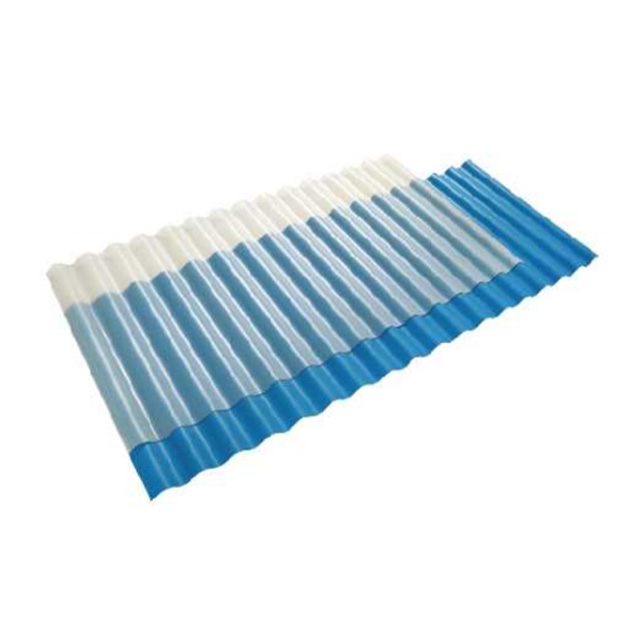
ASA PVC tiles require very little maintenance compared to traditional roofing materials like clay or metal. Their smooth, non-porous surface resists dirt, mold, and mildew buildup, reducing the need for frequent cleaning. Unlike clay tiles, which can absorb moisture and harbor moss or algae, ASA PVC tiles repel water and prevent biological growth. This means fewer cleaning sessions and less effort to keep the roof looking fresh.
The ASA layer also protects the tiles from UV damage, preventing color fading and surface degradation. This means the tiles maintain their appearance over years without the need for repainting or surface treatments. Additionally, ASA PVC tiles do not rust or corrode, unlike metal roofs that require periodic anti-rust treatments. These properties make ASA PVC roofing a hassle-free option for building owners who want a durable roof without constant upkeep.
The low maintenance nature of ASA PVC tiles translates directly into cost savings. Traditional roofing materials often require regular inspections, repairs, and replacements due to cracking, corrosion, or weather damage. Clay tiles can chip or break, and metal roofs may rust or dent, leading to costly repairs.
ASA PVC tiles’ resistance to cracking, corrosion, and fading reduces the frequency and extent of repairs. Their flexibility allows them to absorb impacts from hail or debris without damage, protecting the roof structure underneath. This durability means fewer emergency repairs and lower long-term maintenance budgets.
Over a building’s lifespan, these savings accumulate significantly. For commercial properties or large residential projects, reduced maintenance means less downtime, fewer labor costs, and lower material expenses. The initial investment in ASA PVC tiles is offset by these long-term financial benefits, making them a smart choice for cost-conscious buyers.
Tip: Schedule annual roof inspections to catch minor issues early, ensuring ASA PVC tiles maintain their low-maintenance advantage and extend their lifespan.
ASA PVC tiles provide excellent thermal insulation, helping keep buildings cooler in hot weather. Their multi-layer design includes a thermal insulation layer that reduces heat transfer from the sun into the building. This means the interior stays more comfortable without relying heavily on air conditioning.
Unlike metal roofing, which can absorb and transfer heat quickly, ASA PVC tiles reflect a significant portion of solar radiation. The ASA surface layer blocks UV rays and prevents heat buildup on the roof surface. This reduces the temperature inside the building, especially during peak sunlight hours.
In cooler climates, the thermal insulation also helps retain indoor heat, making living spaces warmer in winter. This dual function improves overall comfort year-round. The insulation properties come from the combination of the ASA outer layer and the PVC core, which traps air and slows heat flow.
Because ASA PVC tiles improve thermal insulation, they can significantly lower heating and cooling costs. Buildings with these tiles require less energy to maintain comfortable temperatures, leading to noticeable savings on utility bills.
In hot climates, the reduced heat transfer means air conditioners run less frequently and at lower settings. This not only saves energy but also extends the lifespan of cooling systems. For colder climates, retaining heat reduces the need for constant heating, cutting fuel or electricity use.
Over time, these energy savings add up, making ASA PVC tiles a cost-effective choice beyond just their initial price. The energy efficiency also contributes to reducing a building’s carbon footprint, aligning with green building goals.
| Benefit | Description |
|---|---|
| Reflects solar radiation | Reduces heat absorbed by roof surface |
| Thermal insulation | Slows heat transfer, keeps interiors cooler/warm |
| Energy savings | Lowers costs for heating and cooling systems |
| Environmental impact | Decreases energy consumption and emissions |
ASA PVC tiles offer a highly cost-effective alternative to traditional roofing materials such as clay, metal, or concrete tiles. Their initial purchase price is often lower or comparable, but the real savings come from reduced installation and maintenance costs.
Lower Material Costs: ASA PVC tiles are manufactured using advanced plastics, which generally cost less than natural clay or metal sheets. This makes the upfront investment more affordable for many projects.
Reduced Structural Support Needs: Since ASA PVC tiles are lightweight, they place less stress on the roof frame. This often eliminates the need for costly reinforcements required by heavy clay or concrete tiles.
Faster Installation: Their design allows for quicker installation, reducing labor hours and associated expenses compared to traditional materials that are heavier and more fragile.
Minimal Maintenance: ASA PVC tiles resist cracking, corrosion, and fading, unlike clay or metal roofs that often require frequent repairs or treatments.
Here’s a quick comparison table illustrating cost factors:
| Roofing Material | Initial Cost | Installation Cost | Maintenance Cost (over lifespan) | Structural Support Cost |
|---|---|---|---|---|
| ASA PVC Tile | Moderate | Low | Low | Low |
| Clay Tile | High | High | Moderate | High |
| Metal Roofing | Moderate | Moderate | Moderate | Moderate |
Long-Term Financial Benefits
Investing in ASA PVC tiles yields significant long-term financial advantages:
Extended Lifespan: Lasting 20 to 30 years or more, ASA PVC roofs reduce the frequency of costly replacements.
Lower Repair Expenses: Their resistance to weather and impact damage means fewer emergency repairs and less money spent on upkeep.
Energy Savings: Thanks to their thermal insulation, buildings with ASA PVC tiles save on heating and cooling bills, indirectly improving return on investment.
Resale Value: Durable, attractive roofs add to property value, appealing to buyers who prioritize low-maintenance homes.
For commercial buildings or large residential projects, these savings accumulate, making ASA PVC tiles a smart economic choice. The balance of upfront costs against lifetime benefits favors ASA PVC roofing, especially in climates where traditional materials degrade quickly.
ASA PVC tiles are notably lightweight compared to traditional roofing materials like clay, concrete, or metal. This reduced weight means less stress on the building’s structural framework, allowing for simpler roof designs and often eliminating the need for costly reinforcements. Their lightweight nature also makes the tiles easier to transport and handle during installation, reducing the risk of damage and speeding up the process.
The flexibility of ASA PVC tiles further enhances installation ease. Unlike brittle clay or concrete tiles that can crack if mishandled, ASA PVC tiles bend slightly without breaking. This flexibility allows installers to fit tiles onto roofs with varying shapes and slopes more easily, improving coverage and waterproofing. The tiles’ design includes interlocking edges or overlapping ridges that help create a tight seal, preventing leaks without complex sealing techniques.
Additionally, ASA PVC tiles come in larger panel sizes than traditional tiles, covering more roof area per piece. This feature reduces the number of tiles required and the time spent placing each one. Installers can cut the tiles to fit specific roof dimensions or around obstacles using standard tools, making customization straightforward.
Because of their lightweight and flexible properties, ASA PVC tiles significantly reduce labor costs and installation time. Workers can carry and position the tiles with less physical strain and fewer helpers, speeding up the overall roofing project. Faster installation means contractors can complete projects earlier, reducing overhead costs and improving scheduling efficiency.
The straightforward installation method also minimizes the need for specialized skills or equipment. Unlike heavy clay tiles requiring cranes or scaffolding, ASA PVC tiles can be installed with basic hand tools and standard safety gear. This accessibility broadens the pool of qualified installers and lowers labor rates.
Moreover, the tiles' durability during installation reduces breakage and waste. Traditional tiles often crack or chip during handling, leading to costly replacements and delays. ASA PVC tiles’ resilience means fewer damaged pieces, cutting material costs and avoiding project interruptions.
For large commercial or residential projects, these time and labor savings add up, making ASA PVC tiles a cost-effective choice beyond just the material price. They allow builders to allocate resources more efficiently and reduce the total cost of roofing work.
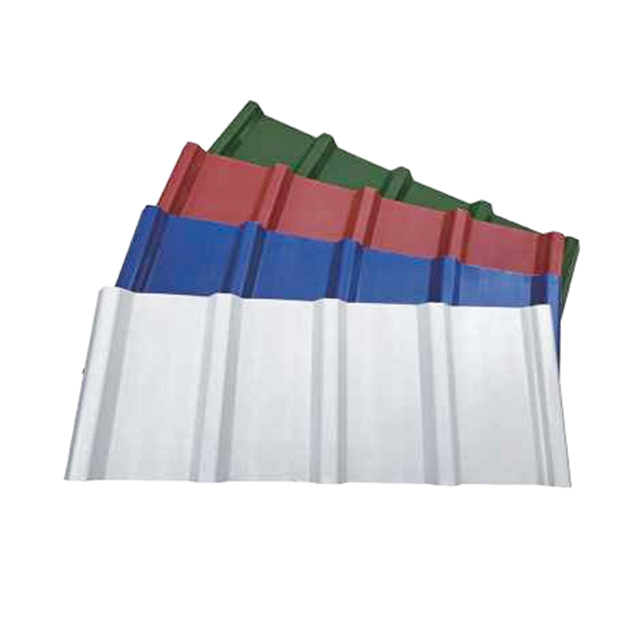
ASA PVC tiles come in a wide range of colors and styles, making them a top choice for various architectural designs. Unlike traditional roofing materials that often have limited color options, ASA PVC tiles offer vibrant hues including blues, reds, grays, browns, and slate tones. The ASA layer helps maintain these colors over time, resisting fading even under strong sunlight. This means the roof stays visually appealing for decades.
Styles also vary, from classic tile shapes mimicking clay or slate to modern flat or wave patterns. This flexibility lets designers and homeowners pick a look that complements the building’s style, whether traditional, contemporary, or something unique. The surface texture can be smooth or textured, adding depth and character to the roof.
Because ASA PVC tiles retain their color and finish, buildings maintain curb appeal longer, increasing property value and satisfaction. This aesthetic versatility suits residential homes, commercial buildings, resorts, and public facilities alike.
Customization is another strength of ASA PVC tiles. Manufacturers often offer tiles in customizable sizes and lengths, allowing them to fit unusual roof shapes or large surfaces without excessive cutting or waste. This adaptability reduces installation time and material costs.
Additionally, some suppliers provide options for custom colors or patterns to match branding or specific design themes. This is especially useful for commercial buildings or resorts aiming for a distinct identity. Combining various tile colors or styles can create striking roof patterns or accents, enhancing the building’s visual impact.
The lightweight nature of ASA PVC tiles also means they can be used on complex roof structures that traditional heavy tiles cannot support. This opens up creative possibilities for architects and builders, allowing for innovative designs that are both beautiful and functional.
Overall, the aesthetic versatility of ASA PVC tiles ensures they can meet diverse design needs while maintaining durability and low maintenance.
ASA PVC tiles are an eco-friendly roofing choice due to their recyclability. Made primarily from plastic materials, these tiles can be collected and processed at the end of their lifespan to create new products. Recycling ASA PVC helps reduce waste in landfills and lowers the demand for virgin raw materials. Unlike traditional roofing materials such as clay or metal, which may be harder to recycle or require energy-intensive processes, ASA PVC tiles offer a more sustainable lifecycle.
The recycling process for ASA PVC involves melting down the tiles and reforming them into pellets, which manufacturers can then use to produce new tiles or other plastic products. This closed-loop system minimizes environmental impact and supports circular economy principles. Moreover, many manufacturers now incorporate recycled content into new ASA PVC tiles, further reducing resource consumption.
Recyclability also means buildings using ASA PVC tiles contribute less to construction waste. When a roof needs replacement, the old tiles can be responsibly handled rather than discarded as landfill debris. This aspect makes ASA PVC tiles a forward-thinking choice for environmentally conscious projects.
Beyond recyclability, ASA PVC tiles help lower a building’s carbon footprint in several ways. Their lightweight nature reduces transportation emissions, as more tiles can be shipped per load compared to heavier materials like clay or concrete. Less energy is needed during installation due to easier handling and faster work, cutting labor-related emissions.
The energy efficiency of ASA PVC tiles also plays a role. Their thermal insulation properties reduce heating and cooling demands, which lowers the building’s overall energy consumption. Less energy use means fewer greenhouse gas emissions from power plants, directly benefiting the environment.
Additionally, the production of ASA PVC tiles generally consumes less energy than traditional clay tile manufacturing. Clay tiles require high-temperature kiln firing, an energy-intensive process producing significant CO2 emissions. ASA PVC tiles are made through extrusion and molding at lower temperatures, making their manufacturing process more energy-efficient.
Together, these factors mean ASA PVC tile roofing contributes to sustainable building practices. Using ASA PVC supports green building certifications and helps companies meet environmental regulations or voluntary sustainability goals.
ASA PVC tiles offer superior durability, low maintenance, energy efficiency, and cost-effectiveness over traditional roofing materials. They resist extreme weather, require minimal upkeep, and provide excellent thermal insulation, reducing energy costs. Their aesthetic versatility and recyclability contribute to environmental sustainability, making them an ideal choice for various architectural designs. Choosing ASA PVC tiles from LESSO ensures long-term value and reliability, highlighting the product's unique benefits and the company's commitment to quality and innovation.
A: ASA PVC Tile is a durable roofing material known for its resistance to extreme weather and low maintenance needs, making it superior to traditional options like clay or metal.
A: ASA PVC Tile offers longer lifespan, superior weather resistance, and lower maintenance costs compared to traditional materials like clay or metal.
A: ASA PVC Tile resists corrosion and UV damage, making it ideal for coastal areas with salty air and intense sunlight.
A: Yes, ASA PVC Tiles are cost-effective due to lower installation, maintenance, and energy costs over their lifespan.


