
close
Choose Your Site
Global
Social Media
Author: Site Editor Publish Time: 2025-11-17 Origin: Site


ASA PVC Tiles are a top choice for high-performance roofing. Their weather resistance, corrosion resistance, and lightweight design make them ideal for various applications. However, to maximize their longevity, it’s crucial to avoid some common mistakes. In this post, we’ll discuss five mistakes that can impact your tile's durability and how to avoid them.
When selecting ASA PVC tiles, choosing the right thickness is crucial for durability. The thickness can vary from 2.0mm to 4.0mm, with each option suitable for different environments and load-bearing requirements.
Choosing a tile that’s too thin for certain conditions can lead to issues like cracking or deformation. For example, using a 2.0mm tile in areas with heavy snowfall or large purlin spacing can cause the tile to bend or crack under pressure. On the other hand, choosing a tile that's too thick may lead to unnecessary costs and weight, making installation more challenging without providing additional benefits.
Choosing the right thickness depends on the environment. For coastal areas where wind and salt are factors, or industrial settings with heavy loads, thicker tiles are recommended. ASA PVC tiles come in several thicknesses, and selecting one based on environmental factors will ensure long-lasting performance.
Environment | Recommended Thickness | Benefits |
Coastal Areas | 3.0mm or higher | Resistance to high winds and salt damage |
Heavy Snowfall Zones | 3.0mm or higher | Prevents cracking and deformation under snow load |
Industrial Buildings | 3.0mm or higher | Enhanced load-bearing capacity |
Residential Areas | 2.0mm to 3.0mm | Balance between cost, durability, and strength |
The right thickness offers greater rigidity and toughness. Thicker tiles, like those 3.0mm and above, provide superior resistance to impact and temperature fluctuations. In environments prone to heavy weather or high stress, these tiles will last longer and perform better. For instance, industrial buildings with large spans should opt for thicker tiles to ensure structural integrity.
By selecting the right thickness based on your specific needs, you ensure the maximum lifespan of your ASA PVC tiles.
ASA PVC tiles are known for their impressive resistance to corrosion, but they still require careful handling in harsh environments. Their ability to resist damage from acids, alkalis, and salts makes them perfect for coastal and industrial settings, but they aren't invincible.
ASA PVC tiles are specifically designed to withstand a variety of corrosive elements. They resist damage from acids, alkalis, and salts—common in coastal environments and industrial areas. This corrosion resistance makes them an ideal choice for environments exposed to high humidity, saltwater, and chemical exposure.
Corrosive Element | ASA PVC Tile Resistance | Benefits in Specific Environments |
Saltwater | High | Ideal for coastal areas exposed to salt and wind |
Acids | High | Useful in industrial workshops with chemical exposure |
Alkalis | High | Prevents degradation in alkaline environments |
A common mistake occurs when ASA PVC tiles are exposed to incompatible corrosive substances. While they are corrosion-resistant, high-concentration chemicals can still cause surface damage. Direct contact with strong acids or alkalis during installation or maintenance should be avoided. Additionally, failing to apply protective coatings in extremely corrosive environments can shorten the tile's lifespan.
To maintain the durability of ASA PVC tiles in corrosive environments, it's essential to follow some key practices:
● Avoid direct contact with high-concentration corrosive liquids during installation.
● Apply protective coatings if the tiles are used in highly corrosive areas (e.g., industrial zones with heavy chemical exposure).
● Regularly clean tiles to prevent the buildup of corrosive substances like salt.
● Inspect tiles periodically for any signs of chemical damage, especially in areas where exposure to harsh chemicals is frequent.
Tip: By taking these preventive measures, you can extend the lifespan of your ASA PVC tiles and ensure their performance remains intact, even in challenging conditions.
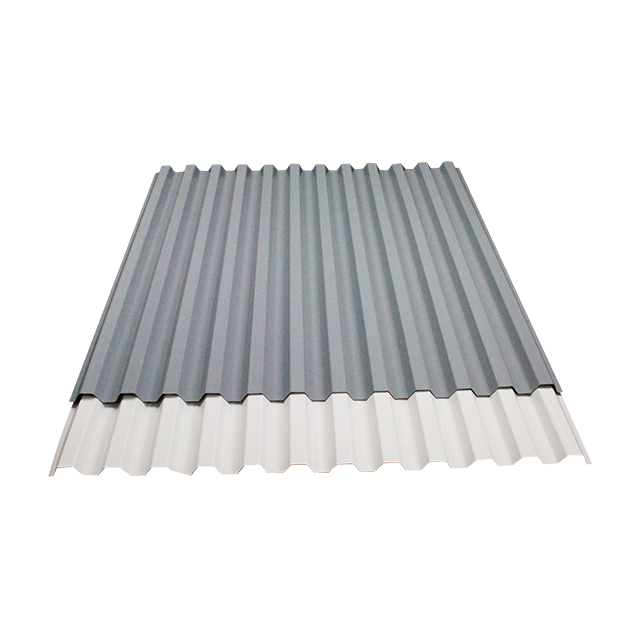
While ASA PVC tiles are easier to install compared to traditional roofing materials, improper installation can lead to significant issues, including water leakage, tile displacement, and reduced structural integrity. Even a small error during installation can shorten the lifespan of the tiles and affect their performance.
Several common mistakes can affect the waterproofing and structural strength of ASA PVC tiles:
● Incorrect Purlin Spacing: Purlin spacing should not exceed the recommended 660mm. Spacing that’s too wide can cause tiles to sag or shift, leading to instability and possible leaks.
● Improper Lap Joint Methods: The lap joint between tiles needs to be wide enough to ensure a secure connection. If it’s too small or improperly aligned, water can seep in, leading to leaks.
● Use of Non-Special Fasteners: Non-specialized fasteners may not securely hold the tiles in place, especially in high-wind conditions. This can lead to tiles being displaced or even detached over time.
To ensure proper installation and avoid these issues, it’s essential to follow specific guidelines:
Installation Factor | Recommended Practice | Benefits |
Purlin Spacing | 660mm or less | Prevents sagging and ensures tile stability |
Lap Joint Width | Sufficient overlap | Ensures waterproofing and prevents leaks |
Fasteners | Waterproof, specialized | Secures tiles and prevents displacement |
ASA PVC tiles are designed for faster installation compared to traditional materials. However, this efficiency shouldn’t compromise attention to detail. Skipping steps for the sake of speed can lead to costly repairs down the line. Proper slope, waterproofing, and structural integrity must be maintained to ensure the roof performs as expected.
One of the biggest advantages of ASA PVC tiles is their excellent UV resistance. This feature helps maintain the color and integrity of the tiles for many years. However, neglecting proper UV protection maintenance can shorten their lifespan and reduce their performance over time.
ASA PVC tiles are designed with a surface layer that offers impressive UV protection. This protection helps the tiles retain their color for up to 10 years, even under constant sun exposure. Without this UV resistance, tiles would fade quickly, affecting both the aesthetic appeal and durability of the roof.
Common cleaning mistakes can compromise the UV protection on ASA PVC tiles:
● Using Alkaline or Abrasive Cleaning Agents: These harsh chemicals can damage the anti-UV surface layer, causing the tiles to fade faster and lose their protective properties.
● Neglecting Regular Maintenance: Dust, dirt, and debris can accumulate on the tile surface, affecting the self-cleaning properties of the ASA layer. Failing to clean regularly can lead to a buildup that reduces the tiles’ UV resistance.
To keep the UV resistance intact, follow these maintenance tips:
● Regular Cleaning: Use a soft brush or non-abrasive cloth to clean the tiles regularly. This helps remove dust and debris without damaging the surface.
● Avoid Harsh Cleaning Agents: Stick to mild, non-alkaline cleaning solutions. Avoid abrasive scrubbers or chemicals that can wear down the surface layer.
● Inspect for Damage: Periodically check the tiles for any signs of fading or damage, especially after harsh weather conditions. If needed, apply a UV protective coating to maintain their durability.
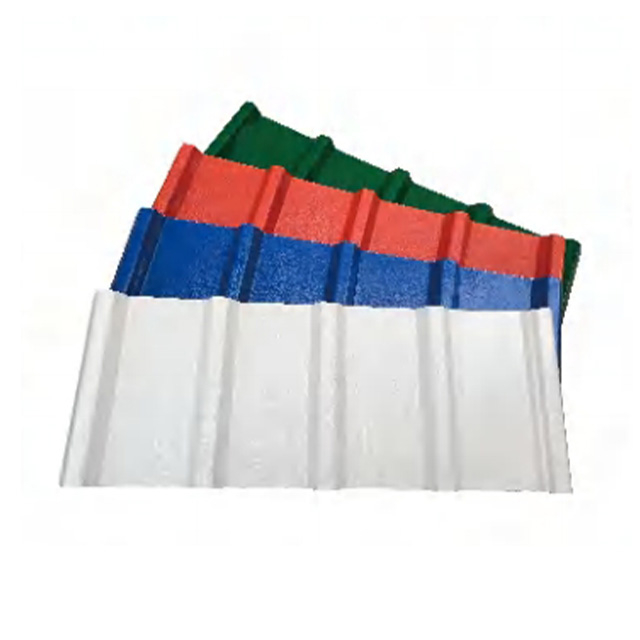
ASA PVC tiles are designed to handle a wide range of temperatures, but many people overlook the importance of temperature adaptability during installation. Whether it's the extreme heat of summer or freezing winter temperatures, ASA PVC tiles can withstand these conditions—if installed correctly.
ASA PVC tiles excel in both high and low temperature resistance. They are capable of enduring freeze-thaw cycles, which means they won’t crack or degrade after multiple cycles of freezing and thawing. This makes them ideal for regions with harsh winters or extreme temperature shifts.
In comparison, similar products may become brittle in cold temperatures or warp in extreme heat. ASA PVC tiles, however, maintain their structural integrity under these conditions, offering better long-term performance in extreme environments.
Temperature Range | ASA PVC Tile Resistance | Comparison to Similar Products |
High Temperatures | Excellent | Some products warp or deform |
Low Temperatures | Excellent | Some products become brittle |
Freeze-Thaw Cycles | Durable | Others crack or degrade |
One common mistake is using ASA PVC tiles in extreme temperatures without performing pre-installation tests. If the tiles are exposed to drastic temperature changes without proper installation adjustments, they may expand or contract beyond their limits, leading to deformation or cracking. Failing to account for temperature fluctuations can result in tiles being misaligned or damaged over time.
Another mistake is not leaving expansion joints. These joints are crucial for allowing the tiles to expand and contract naturally as the temperature changes. Without them, the tiles may press against each other, causing them to warp or even break.
To avoid issues related to temperature changes, follow these best practices:
● Pre-Installation Tests: Always perform tests to check the temperature range in your area before installation. This ensures the tiles can handle the expected conditions.
● Leave Expansion Joints: During installation, make sure to leave appropriate gaps (expansion joints) between tiles to accommodate expansion and contraction. The size of the expansion joint will depend on the temperature range of your location.
● Calculate Expansion Space: Measure and calculate the necessary space for expansion based on local temperature fluctuations. This will prevent deformation or misalignment of the tiles in the future.
By following these guidelines, you can ensure your ASA PVC tiles perform well in regions with extreme temperature changes, offering lasting durability and stability.
In this article, we discussed five common mistakes to avoid when using ASA PVC tiles. By addressing issues like incorrect thickness, improper installation, and neglecting UV protection, you can ensure maximum durability and long service life. Following proper installation and maintenance practices will help maintain optimal performance. LESSO offers ASA PVC tiles with excellent weather, corrosion, and temperature resistance, ensuring long-lasting durability for any environment.
A: ASA PVC Tile is a durable roofing material designed for weather and corrosion resistance. It is widely used in coastal and industrial environments due to its strength and longevity.
A: Choosing the correct thickness for ASA PVC Tile ensures proper load-bearing and structural integrity. Thicker tiles are ideal for areas with extreme weather or heavy loads.
A: To maintain ASA PVC Tile's UV resistance, clean the surface regularly with mild agents and avoid harsh chemicals that can degrade its anti-UV layer.
A: Yes, ASA PVC Tile is designed to resist both high and low temperatures, making it perfect for environments with freeze-thaw cycles. Ensure proper installation to allow for expansion and contraction.


