
close
Choose Your Site
Global
Social Media
Author: Site Editor Publish Time: 2025-11-18 Origin: Site


ASA PVC roof tiles face constant exposure to weather elements. Sunlight, especially ultraviolet (UV) rays, gradually breaks down the ASA layer on top of the tiles. This acrylic resin layer protects the tiles and keeps colors vibrant for 8 to 10 years. However, intense sunlight and high temperatures can speed up aging, causing fading or brittleness.
Rain and humidity also play a big role. In wet climates, rainwater can erode tile joints and cause sealing issues over time. Temperature swings cause the tiles to expand and contract, which may lead to cracks or warping if not properly maintained.
Wind and storms add physical stress. Strong gusts may loosen or damage tiles, especially if they are not securely fastened or if the roof isn’t regularly inspected.
Organic growth like moss, algae, and mold thrive in moist environments. These organisms cling to the tile surface, causing discoloration and surface degradation. Their presence can also trap moisture, accelerating tile wear and increasing the risk of leaks.
Regular cleaning is essential to prevent organic buildup. Using neutral detergents and gentle scrubbing helps remove these growths without harming the ASA layer. Ignoring organic growth can lead to acidic secretions that erode tile surfaces and weaken structural integrity.
Human activities on the roof can unintentionally harm tiles. Walking on tiles without care can cause cracks or deformation, especially if the tiles are brittle or old. Piling heavy materials on the roof adds unnecessary pressure, risking tile breakage or loosening.
Proper installation and cautious handling during maintenance reduce damage risks. Training maintenance personnel to avoid stepping on tiles or placing heavy objects carelessly prolongs tile life. Schedule regular roof inspections after severe weather and train maintenance staff on careful handling to minimize human-caused tile damage and extend ASA PVC tile lifespan.
Keeping your ASA PVC roof tiles clean is essential for their longevity. Dirt, dust, and organic debris can accumulate on the surface, trapping moisture and encouraging mold or algae growth. This buildup not only dulls the tile’s appearance but also wears down the protective ASA layer faster. Regular cleaning removes these harmful elements and helps maintain the tile’s durability and vibrant color.
Inspection is equally important. By checking your roof tiles regularly, you can spot early signs of damage such as cracks, warping, or loose tiles. Catching these issues early prevents minor problems from turning into costly repairs. Inspections also ensure that the tiles remain securely fastened, especially after severe weather events.
Choosing the right cleaning products is critical to protect the ASA surface. Use neutral pH detergents or mild soaps diluted in water. Avoid harsh chemicals like strong acids, alkalis, or abrasive cleaners, as they can degrade the acrylic resin layer and reduce UV resistance.
Apply the cleaning solution with a soft brush or sponge, gently scrubbing to remove dirt or organic growth. Rinse thoroughly with clean water to wash away residues. For stubborn stains, soak the affected area briefly before cleaning. This method preserves the tile’s protective coating and prevents surface damage.
The frequency of maintenance depends on your local climate and environmental factors. In areas with heavy rainfall or high humidity, inspect and clean your roof tiles every three months to prevent organic growth and water damage. In drier climates, twice a year may suffice.
Always perform an inspection after extreme weather, such as storms or heavy winds, to check for loosened or broken tiles. Regular maintenance keeps your roof in top shape, extending its service life and ensuring optimal performance.
Tip: Schedule routine cleaning and inspections at least quarterly, and always after severe weather, to catch problems early and protect your ASA PVC roof tiles from premature aging.
ASA PVC roof tiles already come with an ASA acrylic resin layer that guards against UV rays and weather damage. Still, applying extra shielding layers or treatments can boost their durability. These protective coatings form a barrier against sunlight, rain, and pollutants, slowing down aging and color fading.
Common treatments include UV-resistant sealants and clear protective films designed for synthetic resin surfaces. Applying these treatments according to manufacturer instructions ensures even coverage and optimal protection. For example, a UV-blocking coating can extend the tile's vibrant appearance beyond the typical 8 to 10 years.
Selecting suitable protective products is crucial. Use treatments specifically formulated for ASA PVC materials, as incompatible chemicals may degrade the tile surface or reduce adhesion. Look for products with proven UV resistance, water repellency, and environmental durability.
Avoid harsh solvents or abrasive agents in protective coatings. Instead, opt for water-based or silicone-based sealants that maintain flexibility and prevent cracking. Consulting with tile manufacturers or roofing professionals helps identify the best products for your specific tile type and local climate.
UV radiation is a major factor in ASA PVC tile deterioration. Enhancing UV resistance preserves color and structural integrity. Besides applying UV-protective coatings, consider these strategies:
Use reflective or lighter-colored tiles that absorb less heat and UV energy.
Regularly clean tiles to remove dirt and organic matter that can trap heat and accelerate degradation.
Schedule periodic reapplication of UV treatments, especially in regions with intense sunlight.
Together, these measures reduce UV damage, keeping your roof tiles looking new and functional longer. Always apply UV-resistant protective coatings recommended for ASA PVC tiles to significantly extend their color retention and weather resistance.
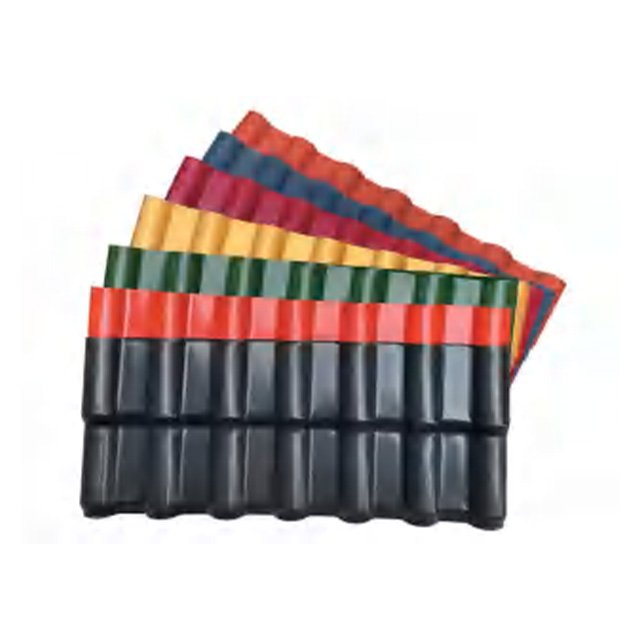
Early detection of damage is crucial to prevent bigger issues. Look for visible cracks, chips, or warping on your ASA PVC roof tiles. Water stains or damp spots inside your building might signal leaks caused by damaged tiles. Loose or displaced tiles after storms or heavy winds also indicate the need for repair. Pay attention to faded or brittle areas, as these can lead to cracks and eventual tile failure.
Regular inspections help catch these signs early. Use binoculars for a close look if you can’t safely climb on the roof. Document any damage you find and note its location for easier repairs.
Small cracks or chips can often be fixed with DIY methods. Use specialized resin adhesives designed for ASA PVC materials to seal cracks and prevent water ingress. Clean the damaged area thoroughly before applying the adhesive to ensure good bonding. For minor surface scratches, gentle sanding followed by a UV-resistant coating might restore appearance and protection.
However, for extensive damage like large cracks, broken tiles, or multiple loose tiles, professional assistance is recommended. Experts have the tools and experience to replace tiles properly and ensure the roof’s integrity. Attempting complex repairs without proper knowledge can worsen damage or void warranties.
When hiring professionals, verify their experience with ASA PVC roofing. Ask for references or examples of past work. This ensures your roof receives the correct treatment and prolongs its lifespan.
Correct installation is key to maintaining your roof’s durability. Replacement tiles must match the original in size, color, and material to preserve uniformity and performance. Before installation, clean the surrounding area and remove debris to provide a stable base.
Secure tiles firmly using recommended fasteners and techniques specified by the manufacturer. Improper fastening can cause tiles to loosen or shift, exposing your roof to leaks and wind damage. Pay special attention to sealing joints and overlaps to prevent water penetration.
If replacing multiple tiles, consider inspecting and reinforcing adjacent tiles to avoid future damage. Proper installation not only restores your roof’s function but also maintains its aesthetic appeal. Always prioritize professional repair for significant damage and ensure replacement tiles are installed following manufacturer guidelines to maximize roof longevity.
ASA PVC roof tiles are made from polyvinyl chloride (PVC) combined with an ASA (Acrylonitrile Styrene Acrylate) layer. This ASA layer acts as a protective shield, offering excellent UV resistance and color retention. However, the quality of the tile depends heavily on the composition and additives used during manufacturing.
Additives like plasticizers improve flexibility, while stabilizers protect against heat and UV degradation. But too many plasticizers, especially oily ones, can cause issues like leaching, leading to a weaker surface and faster aging. High-quality tiles use a balanced formula to ensure durability without compromising the protective ASA layer.
When buying tiles, ask about the material composition. Tiles with well-formulated additives resist cracking, fading, and warping better over time. Poorly made tiles may look good initially but degrade quickly under harsh weather.
Not all manufacturers produce the same quality of ASA PVC tiles. Choosing a reputable company ensures you get products made under strict quality controls and tested for performance.
Look for manufacturers with a proven track record and positive customer feedback. They often provide detailed product specifications, including test results for UV resistance, impact strength, and weather durability. Some manufacturers also innovate by adding reinforcing layers, such as fiberglass mesh, to improve tensile strength and impact resistance.
Reputable manufacturers typically offer warranties and after-sales support, which can be crucial if issues arise. They also comply with environmental and safety standards, ensuring tiles are safe and sustainable.
Quality certifications are a solid sign that the tiles meet industry standards. Certifications from bodies like CNAS, UL, or ISO show the tiles passed rigorous tests for durability, fire resistance, and environmental safety.
Before purchasing, request certification documents. These prove the tiles underwent tests such as UV aging, pull strength, and chemical resistance. Certified tiles generally last longer and perform better, reducing maintenance costs and replacement frequency.
Certifications also help ensure compliance with local building codes, which is important for insurance and resale value. Always verify ASA PVC roof tiles come with quality certifications and detailed material data from reputable manufacturers to ensure long-lasting performance and peace of mind.
The environment plays a big role in how long ASA PVC roof tiles last. Areas with strong sunlight expose tiles to intense UV rays, which can gradually wear down the ASA layer, causing color fading and brittleness. Conversely, regions with frequent rain or high humidity create moist conditions that encourage organic growth like moss or algae. This growth traps moisture, accelerating tile degradation and increasing the risk of leaks.
Pollution also affects tile durability. Industrial pollutants or acid rain can chemically attack the tile surface, leading to discoloration and weakening the protective ASA layer. In urban or industrial zones, tiles may require more frequent cleaning and protective treatments to combat these harsher conditions.
Choosing the right ASA PVC tiles means considering your local environment. Some tiles come with enhanced UV resistance or thicker ASA layers suited for sunny climates. Others may have additives that improve resistance to moisture or chemical exposure, ideal for humid or polluted areas.
For example, in coastal regions, salt spray can corrode roofing materials. Tiles designed with corrosion-resistant additives perform better here. Similarly, colder climates with freeze-thaw cycles need tiles that tolerate expansion and contraction without cracking.
Matching your tiles to these conditions helps prevent premature wear and reduces maintenance needs, ensuring a longer lifespan.
Protective coatings add an extra shield to ASA PVC tiles. They boost resistance against UV rays, water, and pollutants. Applying these coatings regularly slows aging and color fading, keeps the surface smooth, and reduces dirt buildup.
Choose coatings that are compatible with ASA PVC materials. Water-based or silicone-based sealants often work best, maintaining flexibility and preventing cracks. Some coatings also have self-cleaning or anti-microbial properties, helping to prevent organic growth.
Reapplying protective treatments every few years, especially in harsh environments, keeps your roof in top shape and extends tile life. Assess your local climate and pollution levels carefully, then select ASA PVC tiles and protective coatings tailored to those conditions for maximum durability and reduced maintenance.
Proper maintenance of ASA PVC roof tiles involves regular cleaning, inspection, and using suitable protective coatings. These practices prevent damage and extend lifespan. Long-term benefits include reduced repair costs and prolonged aesthetic appeal. Final tips include selecting tiles suited for local conditions and ensuring professional installation. For high-quality ASA PVC roof tiles, consider products from LESSO, known for durability and exceptional performance. Their tiles offer UV resistance and environmental durability, providing excellent value and peace of mind.
A: An ASA PVC Tile is a roofing material made from polyvinyl chloride (PVC) with an ASA (Acrylonitrile Styrene Acrylate) layer. This layer provides UV resistance and color retention, making it durable and ideal for various climates.
A: Maintain ASA PVC Tiles by regularly cleaning them with neutral detergents and inspecting for damage. Avoid walking on tiles and use protective coatings to enhance UV resistance and longevity.
A: Climate affects ASA PVC Tile lifespan because UV rays, rain, humidity, and pollution can degrade the protective ASA layer, causing fading, brittleness, or organic growth.
A: Yes, ASA PVC Tiles are cost-effective due to their durability and low maintenance needs. They offer long-term savings by reducing repair and replacement frequency compared to other roofing materials.
A: ASA PVC Tiles offer superior UV resistance, color retention, and environmental durability compared to traditional materials, making them a preferred choice for diverse climates.


