
close
Choose Your Site
Global
Social Media
Author: Site Editor Publish Time: 2025-11-10 Origin: Site


When choosing roofing materials, homeowners often face a dilemma: ASA PVC tiles or traditional clay tiles? ASA PVC tiles are known for their durability and modern aesthetics, while clay tiles offer a classic, timeless look. In this post, you'll learn the differences between these materials, focusing on composition, durability, installation, cost, aesthetics, and environmental impact to guide your decision.
ASA PVC tiles are made from a blend of Acrylonitrile Styrene Acrylate (ASA) resin and Polyvinyl Chloride (PVC). ASA resin provides excellent weather resistance, UV stability, and color retention, which helps tiles maintain their appearance over time. PVC contributes to the tile’s strength, flexibility, and waterproof qualities. Together, these materials form a lightweight, durable roofing tile that resists cracking and fading. The manufacturing process often involves co-extrusion, creating a layered structure where the outer ASA layer protects the inner PVC core, enhancing longevity and performance in harsh environments.
Traditional clay tiles are crafted from natural clay, shaped and then fired at high temperatures to harden. This process gives them a dense, heavy structure with a porous surface. The clay’s mineral content influences the tile’s color and texture, often resulting in earthy tones like terracotta, red, or brown. Clay tiles are brittle and can crack under impact, but their natural composition offers excellent fire resistance and insulation properties. Because they are heavy, their installation requires a strong roof structure to support the load.
The composition differences between ASA PVC tiles and clay tiles significantly affect their durability. ASA PVC tiles benefit from their synthetic makeup, which resists UV rays, moisture, and temperature fluctuations without cracking or warping. Their layered structure and flexibility reduce damage from impacts or shifting roofs. Meanwhile, clay tiles, while naturally fire-resistant and long-lasting under ideal conditions, are more prone to cracking from impacts or structural movement. They can absorb moisture, leading to moss growth or surface degradation in humid climates.
Moreover, ASA PVC tiles maintain color stability due to the ASA resin’s UV resistance, preventing fading over years. Clay tiles may retain color longer but can suffer surface wear from environmental factors like moss or dirt accumulation, which requires regular cleaning. The lightweight nature of ASA PVC tiles also lessens stress on roof structures, potentially extending the overall lifespan of the roofing system.
ASA PVC tiles excel in weather resistance due to their advanced material composition. The outer ASA resin layer provides strong UV protection, preventing color fading even after years of exposure to intense sunlight. This makes ASA PVC tiles ideal for hot, sunny climates. They also resist moisture and do not absorb water, eliminating risks of swelling or moss growth. Their flexibility helps them withstand temperature fluctuations without cracking or warping. Additionally, ASA PVC tiles resist corrosion and chemical damage, making them suitable for harsh environments like coastal areas with salt spray or industrial zones.
Traditional clay tiles offer natural fire resistance and can endure extreme heat without damage. Their dense, ceramic structure provides good insulation against temperature changes. However, clay tiles are porous and absorb moisture, which can lead to moss, algae growth, and surface degradation in humid or rainy climates. They are brittle and prone to cracking under impact or structural shifts caused by weather events such as hailstorms or strong winds. Clay tiles also tend to accumulate dirt and organic matter, requiring regular cleaning to maintain their protective qualities.
When comparing longevity, ASA PVC tiles generally provide a more consistent performance over time. Their resistance to UV rays, moisture, and impacts means they maintain structural integrity and appearance for 15 to 30 years or longer, depending on quality and installation. Clay tiles can last 50 years or more under ideal conditions but are vulnerable to cracking and weathering, especially in climates with heavy rainfall or freeze-thaw cycles. Repairing clay tiles is often more complex and costly due to their weight and fragility.
In tropical or arid regions, ASA PVC tiles offer better protection against fading, moss, and cracking. Their lightweight nature reduces stress on roof structures, potentially extending the overall roof lifespan. Clay tiles’ heavier weight demands stronger support and can lead to structural issues over time if not properly maintained.
Tip: Choose ASA PVC tiles for climates with intense sun or moisture exposure to minimize maintenance and extend roof lifespan.
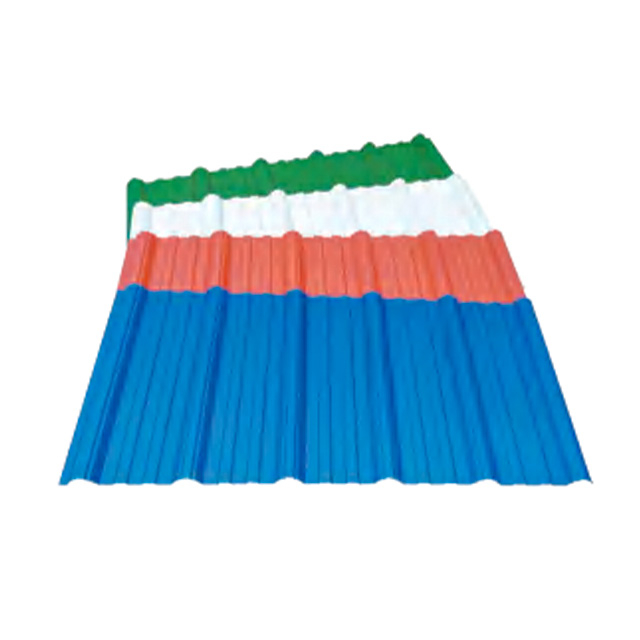
ASA PVC tiles are known for their lightweight and modular design, making installation quicker and less labor-intensive than traditional clay tiles. Their weight often falls below 6 kilograms per square meter, significantly reducing the physical burden on workers and minimizing the need for heavy lifting equipment. Many ASA PVC tiles feature interlocking or snap-together systems, which simplify alignment and secure placement. This design reduces installation time by up to 30-50% compared to clay tiles in some projects, allowing faster project completion and lower labor costs.
Additionally, their uniform size and shape ensure consistent coverage, reducing errors during installation. Because ASA PVC tiles are flexible, they adapt well to slight roof movements or irregularities, decreasing the risk of damage during or after installation. The lightweight nature also means less stress on the roof structure, which can allow for simpler framing and potential cost savings on structural reinforcements.
Clay tiles present several installation challenges due to their weight and fragility. A typical clay tile can weigh between 800 to 1,200 pounds per 100 square feet, requiring strong roof framing to support the load. This often means additional structural reinforcement, increasing material and labor costs. The heavy weight also complicates handling and transportation on-site, demanding more manpower and increasing physical strain on installers.
Furthermore, clay tiles are brittle and prone to cracking during handling or placement. Each tile generally requires careful positioning and securing, often needing specialized tools and skilled labor. The installation process is slower, with more tiles needed per square meter—sometimes up to 10-12 tiles—leading to longer project timelines. Any mistakes or damage during installation can be costly to repair or replace.
ASA PVC tiles require minimal maintenance due to their resistance to moisture, UV rays, and impact. Their non-porous surface prevents moss, algae, or dirt buildup, reducing the need for regular cleaning. In case of damage, individual tiles can be easily replaced without disturbing the surrounding tiles, making repairs straightforward and cost-effective. The durability of ASA PVC tiles means fewer repairs over the roof's lifetime, translating to lower long-term maintenance expenses.
In contrast, clay tiles demand more frequent upkeep. Their porous nature can lead to moss and algae growth, especially in humid climates, requiring periodic cleaning to maintain appearance and prevent moisture-related damage. Cracks or broken tiles must be replaced promptly to avoid water leakage, but replacement can be complicated and costly due to their weight and fragility. Additionally, clay tiles may shift or loosen over time, necessitating regular inspections and adjustments.
When comparing initial costs, ASA PVC tiles generally come at a lower price point than traditional clay tiles. The manufacturing process of ASA PVC tiles, which uses synthetic materials like ASA resin and PVC, allows for mass production with consistent quality, reducing per-unit costs. Clay tiles, made from natural clay and fired at high temperatures, involve more labor-intensive production and higher raw material costs.
Installation expenses also differ significantly. ASA PVC tiles are lightweight and often designed with interlocking systems, speeding up installation and reducing labor costs. Clay tiles are heavier and more fragile, requiring skilled labor and sometimes structural reinforcement, which adds to upfront expenses.
Over time, ASA PVC tiles tend to be more cost-effective despite a sometimes similar or slightly higher initial price in certain markets. Their durability, resistance to cracking, and minimal maintenance needs lower repair and upkeep costs. ASA PVC tiles resist moss, algae, and fading, reducing cleaning and replacement frequency.
Clay tiles may have a longer theoretical lifespan but often demand more maintenance. Their brittleness can lead to costly repairs from cracks or breaks, especially in areas prone to hail or temperature fluctuations. Maintenance includes cleaning moss and algae and inspecting for damage, which increases lifetime expenses.
Additionally, the lightweight nature of ASA PVC tiles reduces stress on roof structures, potentially lowering structural repair costs over the building’s life.
Roofing material influences property value and curb appeal. Clay tiles offer a classic, traditional aesthetic that many buyers find appealing, especially in regions where clay roofs are common. This can enhance a home’s market value if the tiles are well-maintained.
ASA PVC tiles provide design flexibility with various colors and styles that mimic clay’s look but offer modern benefits. Their long-lasting color stability and low maintenance can attract buyers seeking durable, cost-effective roofing. For homes where modern design or budget efficiency is prioritized, ASA PVC tiles may increase property desirability.
In some markets, the perception of synthetic roofing materials is improving, recognizing their performance and sustainability advantages. This shift can positively affect property value when ASA PVC roofing is installed professionally. Factor in both upfront and long-term costs when choosing roofing tiles; ASA PVC tiles often save money over time through lower installation and maintenance expenses.
ASA PVC tiles offer a wide range of design options that appeal to modern homeowners. Thanks to their synthetic composition, these tiles can be manufactured in various shapes, sizes, and textures to mimic traditional roofing materials like clay or slate. They come in many vibrant colors, including reds, blues, grays, and earth tones, and their color remains stable over time due to the UV-resistant ASA resin layer. This flexibility allows homeowners to customize their roof's look to match architectural styles, from classic to contemporary.
Moreover, ASA PVC tiles often feature interlocking designs that create uniform, neat patterns on roofs. Some manufacturers provide options for matte or glossy finishes, enhancing the aesthetic appeal. This adaptability makes ASA PVC tiles suitable for a broad range of home designs and personal tastes.
Clay tiles are prized for their timeless, natural appearance. Their earthy shades—terracotta, brick red, and warm browns—lend a rustic charm that complements Mediterranean, Spanish, and Southwestern-style homes. The unique texture and slight color variations in clay tiles add character and depth to roofs, making each installation distinct.
However, clay tiles generally come in standard shapes like barrel or flat tiles, limiting design variety. Their natural composition means colors may fade or darken slightly over time due to weathering, but many homeowners appreciate the authentic aged look this creates. Clay tiles remain a popular choice for those seeking a traditional, classic roof aesthetic.
ASA PVC tiles excel in customization and color consistency. Unlike clay tiles, which rely on natural minerals for color, ASA PVC tiles use pigments embedded in the resin layer. This method ensures long-lasting, fade-resistant colors that stay vibrant for years, even under intense sun exposure.
Homeowners can select from a palette of colors tailored to their preferences or neighborhood styles. Some suppliers offer custom color matching, allowing roofs to perfectly complement exterior walls and landscaping. Additionally, ASA PVC tiles can be produced in varying thicknesses and finishes, providing further design flexibility.
In contrast, clay tiles have limited color options and may require sealing or painting to achieve specific hues. Their natural variability means exact color matching across batches can be challenging, which may affect uniformity in large projects.
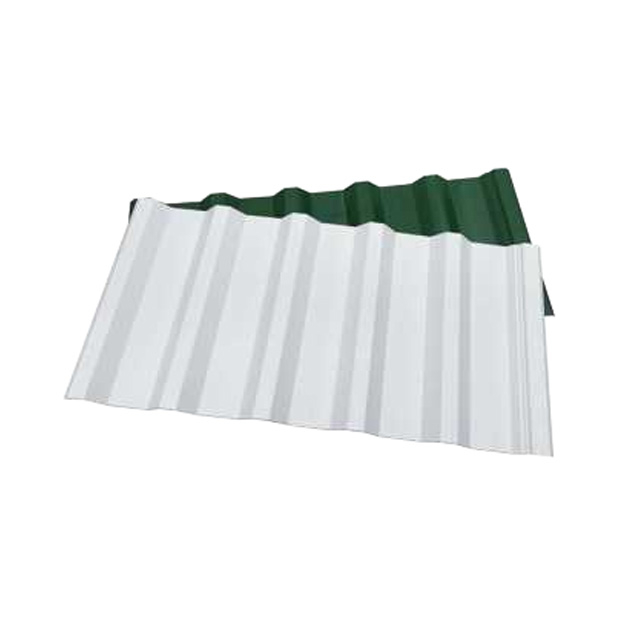
ASA PVC tiles are made from synthetic materials designed for durability and long service life, which contributes to sustainability by reducing the need for frequent replacements. The ASA resin used in these tiles offers excellent UV resistance and weather stability, extending the roof’s lifespan and minimizing waste. Additionally, the lightweight nature of ASA PVC tiles lowers transportation emissions because more tiles fit in each shipment, and less fuel is consumed during delivery.
Modern manufacturing processes for ASA PVC tiles increasingly focus on reducing environmental impact by optimizing energy use and minimizing waste. Some manufacturers also use recycled PVC in production, further enhancing sustainability. Moreover, ASA PVC tiles require minimal maintenance, avoiding harsh chemical cleaners that could harm the environment.
Clay tiles are natural and non-toxic, which is positive from an environmental standpoint. However, their production involves high-temperature firing in kilns, consuming significant energy and producing greenhouse gas emissions. Transporting heavy clay tiles also increases carbon emissions due to higher fuel consumption.
Clay tiles' weight demands stronger roof structures, often requiring more building materials and energy during construction. Additionally, in humid climates, clay tiles can absorb moisture, leading to moss growth and surface degradation, sometimes necessitating chemical treatments or frequent cleaning, which may have environmental drawbacks.
Disposal of broken or old clay tiles can be challenging since they are bulky and difficult to recycle. Their brittleness often leads to breakage during handling or storms, generating waste that is not biodegradable.
ASA PVC tiles are recyclable, allowing them to be reprocessed into new roofing materials or other plastic products at the end of their life cycle. This recyclability reduces landfill waste and supports circular economy principles. The synthetic composition also prevents the release of harmful substances during disposal when managed properly.
Clay tiles, while natural, have limited recyclability. Broken tiles are often crushed for use as road base or fill material but rarely reused as roofing tiles. Their heavy weight and fragility make transportation and recycling less efficient. However, because clay is a natural material, it does not pose significant environmental hazards when discarded.
Choosing ASA PVC tiles can support green building certifications due to their recyclability and lower transportation footprint. Meanwhile, clay tiles' natural origin appeals to those prioritizing natural materials, despite their higher production and transport environmental costs.
ASA PVC tiles and traditional clay tiles offer distinct benefits for homeowners. ASA PVC tiles excel in durability, weather resistance, and ease of installation, while clay tiles provide a classic aesthetic and natural fire resistance. For homeowners seeking cost-effective, low-maintenance roofing, ASA PVC tiles are recommended. As roofing materials evolve, ASA PVC tiles may gain popularity for their sustainability and design flexibility. LESSO provides high-quality ASA PVC tiles, ensuring long-lasting performance and aesthetic appeal for modern roofing needs.
A: ASA PVC tiles are made from Acrylonitrile Styrene Acrylate (ASA) resin and Polyvinyl Chloride (PVC), offering durability and UV stability.
A: ASA PVC tiles are lightweight and feature interlocking designs, making them easier and faster to install than traditional clay tiles.
A: ASA PVC tiles resist UV rays, moisture, and impacts, maintaining integrity in harsh climates better than clay tiles.
A: Yes, ASA PVC tiles are cost-effective due to low maintenance needs and durability, reducing long-term expenses compared to clay tiles.
A: ASA PVC tiles offer design flexibility and durability, potentially increasing property value by appealing to modern buyers seeking low-maintenance roofing.


