
close
Choose Your Site
Global
Social Media
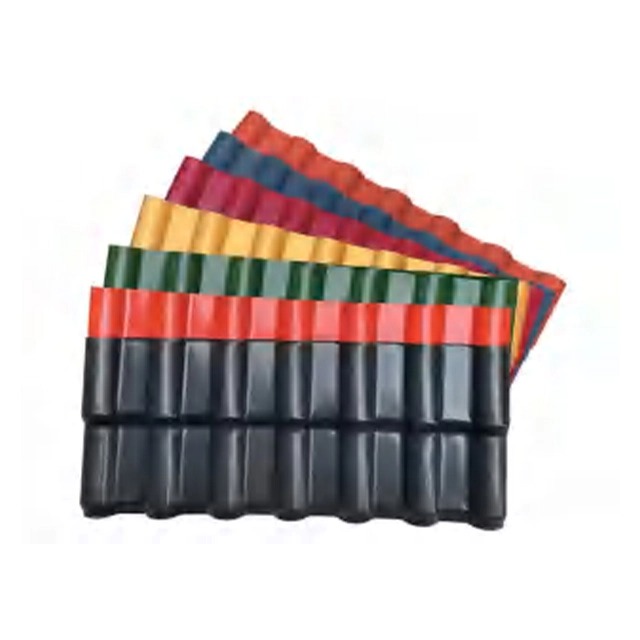
Synthetic resin roof sheet installation may seem tricky at first, but the right steps make it simple and reliable. This guide explains synthetic resin roof sheet installation for contractors, from planning to sealing and expansion gaps. LESSO's synthetic resin roof sheets ensure long-lasting roof protection—learn more about our products.
A synthetic resin roof sheet roofing system is only as reliable as its installation quality. Even high-grade resin roofing sheets can fail if overlaps are incorrect or fasteners are poorly placed. Water infiltration often begins at weak joints, screw holes, or misaligned ridges. Over time, these small problems grow into major structural damage, leading to expensive repairs and reputation loss. Contractors who apply correct installation steps from the beginning can significantly reduce leak risks. Proper fixing methods and sealing practices also ensure that the roof remains stable under heavy rain, wind, and long-term exposure to UV radiation.
Contractors must consider wind uplift and temperature changes when installing synthetic roof panels. Resin sheets expand and contract naturally, so incorrect spacing can create stress fractures. Strong wind can also loosen panels if the fixing technique is inconsistent. A professional synthetic resin roof sheet contractor guide always emphasizes proper fastener placement, overlap design, and structural preparation. These measures improve wind resistance and extend roof lifespan. A correctly installed roof not only performs better but also helps contractors meet warranty requirements and industry performance standards.
Clients expect roofing projects to look neat, balanced, and reliable. Poor alignment or uneven panel spacing reduces the roof’s visual appeal and may violate building codes. Contractors who follow a structured roof sheet installation guide can deliver consistent results. Professional standards also require attention to safety, waterproofing, and structural durability. When contractors apply the correct resin roof sheet fixing method, they protect both the building and their own professional credibility.
Tip: Always document key installation checks with photos, as this helps contractors prove compliance and quality during project handover.
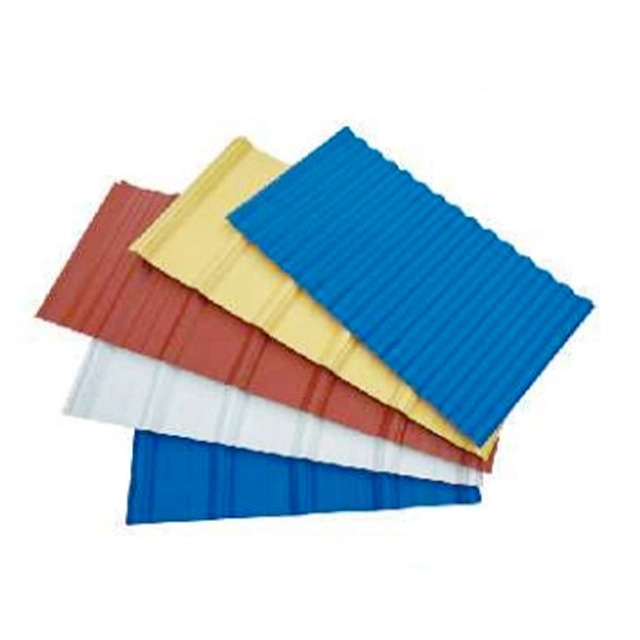
Accurate measurement is one of the most important parts of synthetic resin roof sheet installation steps. Contractors need reliable tools such as measuring tapes, laser levels, chalk lines, and cutting saws designed for polymer materials. Poor cutting techniques can cause micro-cracks that weaken sheet edges. Using proper blades also prevents chipping and ensures clean overlaps. Contractors should also prepare suction lifters or non-marring grips for safe handling. These tools help prevent surface scratches that could reduce UV resistance over time. Correct equipment ensures faster workflow and reduces installation defects.
Choosing the right fixing materials is essential for a watertight roof. Stainless steel screws with EPDM washers are commonly recommended because they resist corrosion and allow thermal movement. Sealants should be UV-resistant polyurethane or butyl-based products that remain flexible. Contractors should also use ridge capping, flashing, and compatible accessories to complete the system. The table below outlines common roofing components and their roles:
Component Type | Recommended Specification | Primary Purpose |
Fasteners | Stainless steel screws + EPDM washers | Secure sheets and prevent leaks |
Sealant | UV-resistant polyurethane | Seal overlaps and penetrations |
Flashing | Pre-formed aluminum or resin-compatible metal | Direct water away from joints |
Ridge Capping | Matching synthetic resin accessories | Protect roof ridge from water entry |
Roof sheet contractors installation tips always begin with safety. Contractors must wear harnesses, helmets, gloves, and slip-resistant footwear. Resin sheets can be slippery when wet, increasing fall risk. Cutting tools also create sharp edges that require cut-resistant gloves. Proper scaffolding and secure ladders should always be in place. Safety planning protects workers and ensures projects stay on schedule. Contractors who invest in safety also reduce liability risks and improve team efficiency.
Before installing synthetic resin roof sheets, contractors must confirm that the roof frame can support the required load. Even though resin roofing sheets are lightweight, the structure must remain stable under wind, rain, and maintenance activity. Wooden trusses should be checked for rot or insect damage, while steel structures require corrosion inspection. Any weakness can shorten roof lifespan dramatically. Contractors should also verify beam spacing and alignment. Proper preparation ensures that sheets remain flat, preventing warping and improving waterproof performance.
A clean roof surface improves adhesion and prevents long-term installation problems. Contractors should remove debris, dust, algae, and leftover sealant. Surfaces must remain dry before underlayment installation. Moisture trapped under resin panels can lead to mold growth or premature material deterioration. Studies suggest that properly cleaned surfaces improve bonding strength by around 30% (needs verification). Contractors who invest time in cleaning reduce future maintenance needs and improve the roof’s durability.
Waterproofing is essential for synthetic resin roof sheet roofing guide success. Contractors should apply primer when required, then install high-quality waterproof membranes. Underlayment acts as a secondary barrier, protecting the structure if water penetrates overlaps. Installation must be smooth, without wrinkles or gaps. Proper waterproof preparation ensures long-term roof performance and prevents moisture intrusion, which is one of the most common causes of roofing failure.
Note: Never install resin roof sheets during heavy rain or extreme temperature conditions, as improper adhesion and expansion stress can occur.
Marking positioning is critical for neat and balanced installation. Contractors should use chalk lines to map out the placement of each synthetic resin roof sheet. This ensures that panels remain straight across the roof slope. Without marking, small alignment errors can accumulate, leading to uneven overlaps and poor aesthetics. Accurate positioning also helps contractors maintain correct overhang and edge spacing. By planning layout in advance, contractors reduce installation time and minimize rework.
Synthetic resin roof sheet fixing method should always consider wind direction. Panels should be installed against the prevailing wind to reduce uplift pressure at overlaps. Contractors working in high-wind regions must apply extra fasteners and follow manufacturer recommendations closely. Wind-aware planning ensures that overlaps remain sealed during storms. Contractors who ignore wind direction may face panel lifting, leaks, or structural instability.
The first panel determines the alignment of the entire roofing system. Contractors must ensure that it is perfectly square and positioned correctly. A small mistake in the first row can lead to major problems later, including uneven ridges and gaps. Checking measurements twice before fixing the first sheet reduces risk and improves overall installation quality.
Most synthetic resin roof sheet installation steps begin at the eaves and move upward. This approach ensures that overlaps naturally direct water downward. Contractors should align the first row carefully, maintaining consistent spacing. Starting at the eaves also provides a stable visual reference for subsequent rows. Proper first-row installation prevents water backflow and ensures smooth drainage.
Contractors should allow a 25–50 mm overhang beyond the roof edge. This prevents water from dripping onto structural supports and reduces moisture damage. Overhang also improves gutter performance by directing runoff properly. Incorrect overhang can cause water pooling near the edge, increasing leak risk. Contractors must follow manufacturer guidelines to ensure proper drainage.
Straight alignment is essential for professional roofing appearance. Contractors should use temporary markers and recheck chalk lines during installation. Resin roof sheets must sit evenly without twisting. Straight placement improves load distribution and reduces stress points. This step ensures that the roof remains visually appealing and structurally sound for decades.
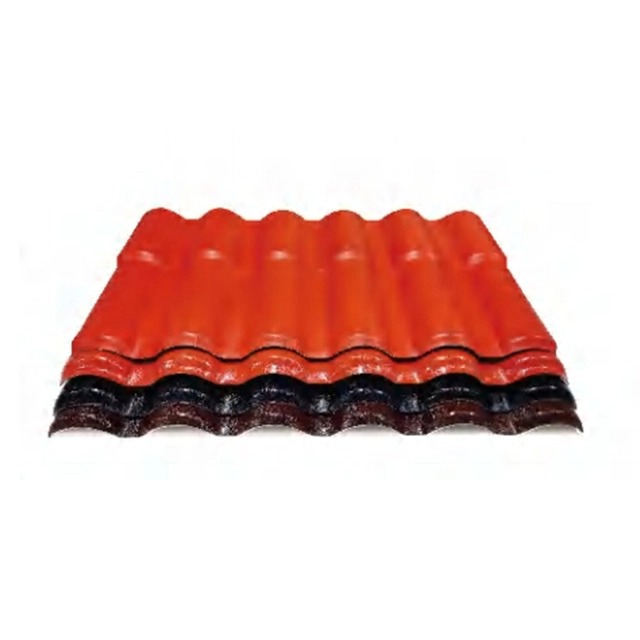
Overlaps are one of the most important factors in watertight roofing. Contractors should maintain minimum overlaps of 150–200 mm on side laps and 200–300 mm on end laps. These dimensions prevent water ingress during heavy rain. Improper overlaps are a leading cause of leaks. Contractors must follow consistent overlap practices across the roof surface.
Staggering joints between rows improves structural integrity. Contractors should offset joints by at least 300 mm to distribute stress evenly. This reduces the risk of cracking at connection points. Staggering also enhances wind resistance and prevents water from traveling along continuous seams.
Contractors should ensure that raised ribs align vertically, preventing water pooling. Sealants may be applied in critical overlap zones. Careful positioning reduces long-term leakage risk and ensures the roof system performs reliably.
Fasteners must be durable and corrosion-resistant. Stainless steel screws with EPDM washers are preferred for synthetic resin roof sheet installation. They provide secure fixing while allowing slight movement. Contractors should avoid cheap fasteners that may rust and weaken over time.
Fasteners should be positioned 50–75 mm from sheet edges. Contractors should pre-drill holes slightly larger than screw diameter to allow expansion. Incorrect placement can create stress points that lead to cracking. The table below provides common fixing guidelines:
Fixing Aspect | Recommended Practice | Result |
Fastener spacing | Every 30–40 cm along supports | Strong wind resistance |
Hole size | 2 mm larger than screw diameter | Prevents expansion cracks |
Torque control | Moderate tightening, avoid over-tightening | Reduces stress fractures |
Over-tightening is a common contractor mistake. It compresses washers too much and creates cracks during temperature changes. Contractors should use calibrated drills and apply consistent torque. Proper fixing ensures stability without damaging the resin panels.
Synthetic resin roof sheets naturally expand and contract. Contractors must allow for this movement, especially in climates with large temperature swings. Without clearance, sheets may buckle or crack. Expansion gaps are essential for long-term durability and roof stability.
Contractors should leave gaps of around 5–10 mm at sheet ends, depending on manufacturer guidance. Proper clearance reduces stress buildup. These gaps allow sheets to move freely without damaging fasteners or overlaps.
Thermal stress is one of the main causes of resin roofing failure. Contractors who follow correct clearance guidelines improve roof lifespan and reduce maintenance needs. Proper expansion planning ensures stable performance even after years of exposure.
Sealant application prevents water entry at overlaps and screw penetrations. Contractors should apply continuous sealant lines in high-risk zones. Proper sealing reduces leakage risk significantly. Flexible sealants are essential because resin panels move with temperature changes.
Ridge capping protects the highest point of the roof, where wind-driven rain often enters. Contractors should install ridge caps with proper overlap and secure fixing. Ridge accessories should match the resin roofing system for best compatibility.
Flashing directs water away from penetrations and junctions. Contractors must install flashing carefully, ensuring it remains sealed and aligned. Poor flashing installation is a major source of roof leaks.
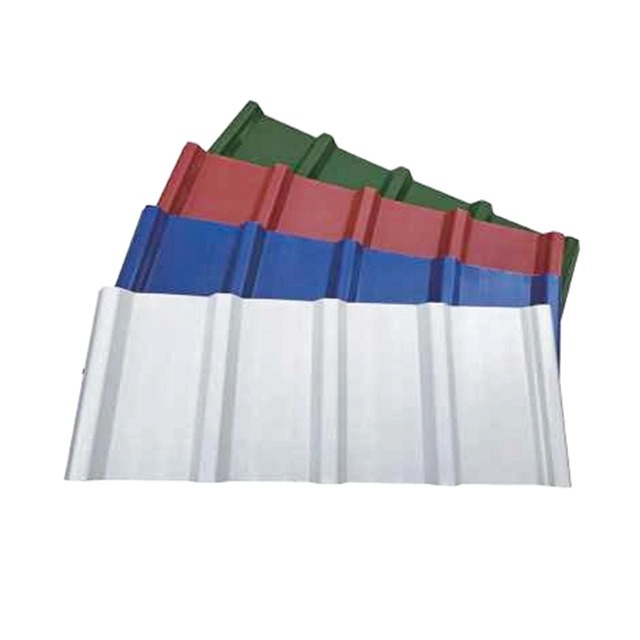
After installation, contractors must inspect every panel. Loose screws, uneven overlaps, or misaligned ridges must be corrected immediately. Quality control reduces callback risk and ensures roof reliability.
A clean job site reflects professionalism. Contractors should remove debris, leftover screws, and packaging materials. Cleaning also prevents scratches or damage to newly installed panels.
Contractors may perform water testing by simulating rainfall. This confirms watertight performance before handing the project to clients. The table below summarizes inspection priorities:
Inspection Item | What to Check | Contractor Benefit |
Fasteners | Correct spacing, no over-tightening | Prevents cracking |
Overlaps | Consistent lap dimensions | Reduces leaks |
Sealant | Continuous, no gaps | Improves waterproofing |
Ridge and flashing | Secure and aligned | Protects critical joints |
Overlap errors are one of the most frequent causes of roof failure. Contractors must follow recommended lap dimensions consistently. Even small deviations can allow water entry.
Ignoring thermal expansion gaps can cause buckling and cracking. Contractors should always plan for movement, especially in hot climates.
Sealants and fasteners must match resin roofing systems. Incompatible products may fail under UV exposure or temperature stress. Contractors should prioritize certified components.
Contractors should advise clients to inspect roofs at least once a year. Regular checks identify loose fasteners or sealant wear early.
Removing leaves, dirt, and moss prevents water pooling. Simple cleaning extends roof lifespan and preserves appearance.
Minor repairs, such as replacing worn washers or resealing joints, prevent larger failures. Contractors who provide maintenance guidance improve client trust and long-term project success.
Installing synthetic resin roof sheets needs careful planning and skilled work. Contractors must align panels and overlap correctly. Secure fixing and sealed joints prevent leaks. Expansion gaps keep roofs stable for decades. This guide helps reduce mistakes and build client trust. LESSO's synthetic resin roof sheets deliver durable roofing value.
A: Synthetic resin roof sheet installation is a roofing guide for placing durable resin roofing sheets with correct overlaps.
A: How to install synthetic resin roof sheets involves preparation, fixing method, sealing, and expansion clearance.
A: Synthetic resin roof sheet installation steps need expansion gaps to prevent cracking and warping.
A: Synthetic resin roof sheet contractor guide warns against poor fasteners, wrong overlaps, and weak sealing.


