
close
Choose Your Site
Global
Social Media
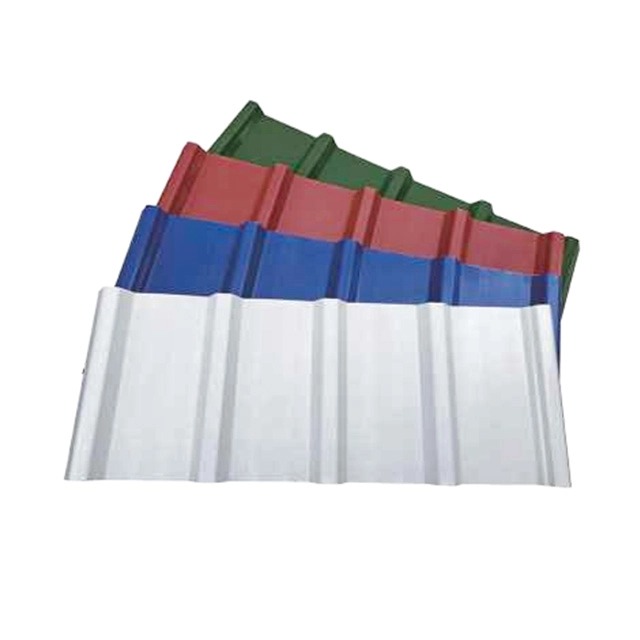
When it comes to commercial roofing solutions, choosing the right material is crucial to the longevity and performance of your building. Plastic roof tiles are increasingly becoming a top choice for businesses looking for cost-effective, durable, and environmentally friendly roofing options. These tiles not only offer excellent performance but also deliver aesthetic flexibility, making them ideal for a variety of commercial projects.
This guide is designed to help you navigate the selection of high-performance plastic roof tiles for your commercial needs. We’ll explore why plastic roof tiles are a strong contender in the market, how to choose the best option based on your project requirements, and what factors to consider in terms of durability, cost, sustainability, and installation.
Plastic roof tiles offer several advantages that make them a compelling option for commercial buildings. Traditionally, commercial roofs were constructed using materials like asphalt, metal, or concrete. However, plastic roof tiles provide significant benefits that cater to the evolving demands of modern commercial construction.
Cost Efficiency: Plastic roof tiles are often less expensive to install compared to traditional roofing materials. Their lightweight design reduces transportation and labor costs, making them a great choice for budget-conscious commercial projects.
Durability: These tiles are resistant to moisture, decay, and insects, ensuring they perform well in various climates.
Aesthetic Flexibility: With a variety of styles and colors, plastic roof tiles can replicate the appearance of more traditional roofing materials like slate, wood, or clay, while still being lightweight and easy to maintain.
In commercial buildings, where roofing needs to withstand wear and tear while maintaining aesthetic appeal, plastic roof tiles offer a practical and modern solution.
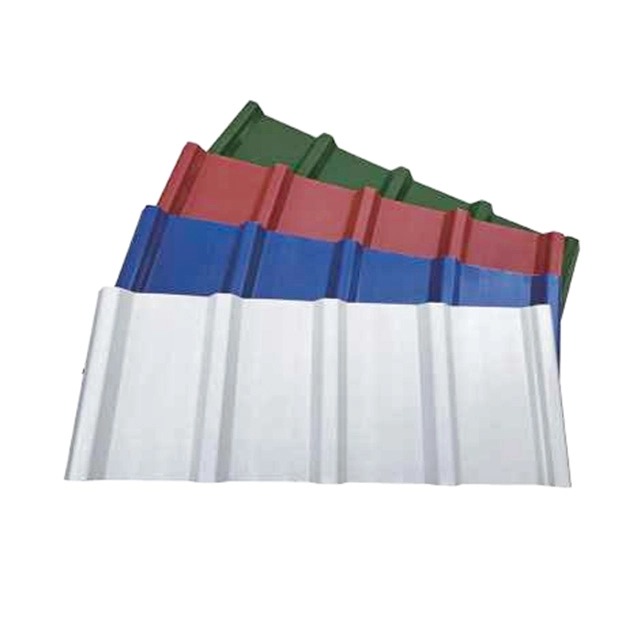
When selecting plastic roof tiles for your commercial project, it’s important to evaluate a range of characteristics that influence performance, longevity, and overall value. Below are the key features you should prioritize:
Plastic roof tiles are known for their impressive durability. Unlike traditional materials like wood or clay, plastic tiles are resistant to rot, rust, and corrosion. They can withstand severe weather conditions such as heavy rainfall, snow, and strong winds. Their resistance to UV rays also prevents them from fading or degrading over time, ensuring that the roof will look good for years.
| Feature | Plastic Roof Tiles | Traditional Roof Materials |
|---|---|---|
| Lifespan | 40-50 years | 20-30 years |
| UV Resistance | High | Moderate to Low |
| Weather Resistance | Excellent | Variable (Depends on Material) |
Plastic roof tiles are typically more affordable than materials like metal or slate, both in terms of initial investment and long-term maintenance. Given their lightweight nature, they reduce the need for complex structural support, further lowering installation costs. In addition, plastic roof tiles require less maintenance over time, leading to significant savings for commercial property owners.
One of the most important factors for any commercial roof is its ability to resist extreme weather conditions. Plastic roof tiles excel in this area, offering strong resistance to high winds, hail, and even earthquakes in some cases. Their waterproof nature also ensures minimal risk of leaks, which is essential for maintaining a dry and safe commercial environment.
Plastic roof tiles come in a variety of designs, shapes, and colors, which means they can suit almost any commercial building style. Whether you're looking for a classic slate appearance or a more modern, minimalist look, plastic roof tiles can provide the aesthetic you need while offering superior performance.
There are several types of plastic roof tiles available, each with unique characteristics. Understanding the differences between them is essential to making the right choice for your commercial roofing project.
Polycarbonate roof tiles are one of the most popular plastic roofing materials, known for their transparency, durability, and excellent insulation properties. They’re especially favored in commercial buildings where natural lighting is a priority, as they allow light to penetrate while protecting against UV rays.
PVC (Polyvinyl Chloride) tiles are another excellent option for commercial projects. These tiles are durable, lightweight, and highly resistant to fire, moisture, and chemicals. Their robust nature makes them perfect for industrial facilities, warehouses, and factories, where heavy-duty performance is required.
TPO roof tiles are known for their energy efficiency. Made from a blend of polypropylene and ethylene-propylene, TPO tiles are UV-resistant and highly reflective, helping to reduce cooling costs in commercial buildings. They are a great option for businesses looking to prioritize energy savings and environmental sustainability.
With growing concerns about sustainability, energy efficiency is a key consideration for commercial roof materials. Plastic roof tiles contribute to energy savings by reflecting sunlight and reducing heat absorption. This helps to keep indoor temperatures stable, especially in warmer climates, and lowers the need for air conditioning, which can significantly cut energy costs.
Moreover, many plastic roof tiles are made from recycled materials, and they can be recycled again at the end of their lifespan, making them an eco-friendly roofing option for commercial projects.

While plastic roof tiles offer a range of benefits, it's important to ensure that they are installed correctly to maximize their performance. One of the advantages of plastic roof tiles is their lightweight nature, which can reduce installation time and labor costs. However, proper installation is essential to avoid issues such as leaks, poor insulation, or structural damage.
Some key installation considerations include:
Roof Slope: Ensure that your roof has the appropriate slope for water drainage to prevent pooling or leakage.
Sealing and Fastening: Proper sealing and fastening techniques must be used to secure the tiles and avoid wind damage.
Professional Installation: Even though plastic roof tiles are easier to install than heavier materials, it’s important to hire a professional contractor to ensure that the installation meets local building codes and standards.
One of the key selling points of plastic roof tiles is their low maintenance requirements. Unlike traditional roofing materials, plastic tiles do not require frequent repairs or replacements. They are resistant to mold, mildew, and moss, and their smooth surface prevents debris from accumulating.
Routine cleaning and periodic checks for loose fasteners or potential cracks are generally all that’s needed to keep your plastic roof tiles in top condition. With proper care, plastic roof tiles can last up to 50 years, providing long-term protection for your commercial building.
As commercial construction moves towards more sustainable and efficient materials, plastic roof tiles are poised to play an even larger role in the future of the industry. Advances in manufacturing and material science are leading to the development of even more durable and energy-efficient plastic tiles, which will provide even greater value for commercial projects.
Innovation in plastic roofing technology, along with increased awareness of the benefits of sustainable building materials, suggests that plastic roof tiles will continue to gain popularity in commercial roofing applications worldwide.
Selecting the right roofing material for a commercial project is a critical decision that impacts the building’s performance, aesthetics, and long-term costs. Plastic roof tiles offer a range of benefits, including durability, cost-effectiveness, weather resistance, and energy efficiency. With the right type of plastic tiles and proper installation, businesses can ensure a long-lasting and high-performing roof for their commercial property.
By considering the key features and installation guidelines outlined in this guide, you can make an informed decision when choosing plastic roof tiles for your commercial roofing needs.
1. Are plastic roof tiles durable enough for commercial buildings?
Yes, plastic roof tiles are highly durable and resistant to weather extremes, UV rays, and decay, making them an excellent choice for commercial buildings.
2. How long do plastic roof tiles last?
Plastic roof tiles can last up to 50 years, depending on the type and quality of the material used.
3. Do plastic roof tiles require a lot of maintenance?
No, plastic roof tiles require minimal maintenance, making them a low-cost, long-term solution for commercial roofs.
4. Can plastic roof tiles be installed on any type of commercial building?
Yes, plastic roof tiles can be installed on most types of commercial buildings, though it’s important to ensure the roof is designed for proper drainage and support.
5. Are plastic roof tiles energy-efficient?
Yes, plastic roof tiles, particularly those made from TPO or polycarbonate, are energy-efficient and can help reduce cooling costs by reflecting sunlight and providing insulation.


