
close
Choose Your Site
Global
Social Media

Choosing the right roofing material can make or break a construction project. It affects everything from the budget to the long-term comfort of the building. When you look at modern options, the debate often settles on one major comparison: Hollow Roof Tiles vs. solid roof tiles. While solid tiles have been the traditional go-to for decades, the rise of Double layer technology and advanced synthetic materials has made Hollow Roof Tiles a formidable contender.
The core of this decision lies in understanding your specific project needs. Are you prioritizing thermal regulation, structural weight, or cost-efficiency? Solid tiles offer density and classic aesthetics, but they bring significant weight and heat retention issues. Conversely, a Lightweight hollow design uses air as a natural barrier, offering unique advantages in harsh climates. This guide will dissect these two options from an expert perspective, helping you decide which fits your roof best.
Weight is a silent killer in construction budgets. Traditional solid tiles, especially those made of clay or concrete, exert massive pressure on the building's frame. If you choose solid materials, you must invest more in heavy-duty trusses and thick support beams. It adds up quickly.
Hollow Roof Tiles change this dynamic. Because they utilize a Double layer profile with hollow chambers, they are significantly more Lightweight than their solid counterparts. This reduced mass means you can often simplify the supporting structure. It makes them the ideal choice for retrofitting older buildings or constructing large-span industrial warehouses where every kilogram matters.
Beyond the building's frame, weight affects the labor. It is easier for workers to carry a Lightweight sheet to the top of a roof. This speed translates to lower labor costs and faster project completion. If your project timeline is tight, the logistical ease of hollow designs provides a clear edge.
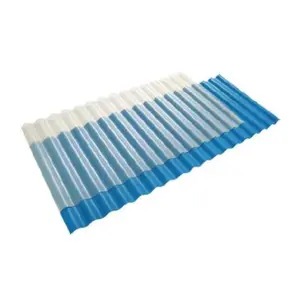
Thermal regulation is where Hollow Roof Tiles truly shine. In a solid tile, heat transfers directly through the material via conduction. During a hot summer day, a solid roof acts like a radiator, soaking up the sun and beaming heat directly into the interior space.
A Double layer hollow structure functions differently. It uses "dead air" trapped within the internal ribs. Air is a poor conductor of heat. Therefore, these Insulated tiles create a thermal break. This Heat resistant property keeps the building much cooler without relying solely on expensive HVAC systems.
Conduction Reduction: Heat struggles to jump across the air gaps in Hollow Roof Tiles.
Energy Savings: Buildings using Insulated roofing often see a 20-30% reduction in cooling costs (data requires regional verification).
Occupant Comfort: It creates a stable internal environment, especially in tropical or high-temperature zones.
By choosing a Heat resistant hollow option, you aren't just buying a roof; you are buying a long-term energy strategy.
Weathering is the ultimate test for any roof. Solid tiles can be porous. In coastal areas or industrial zones, salt and chemicals can seep into a solid tile, causing it to crack or erode over time. This is especially true for traditional concrete which may lack high-end Anti corrosion properties.
Modern Hollow Roof Tiles, particularly those made from high-grade PVC or ASA resins, are engineered for Anti corrosion. They do not rust, and they resist the "pitting" caused by acid rain. This makes them the superior choice for chemical plants, coastal villas, or livestock farms where the environment is naturally corrosive.
| Feature | Solid Ceramic/Concrete | Hollow Roof Tiles (Synthetic) |
| Corrosion Resistance | Low to Moderate | High (Anti corrosion) |
| Water Absorption | Up to 10% | Near 0% |
| Impact Strength | Brittle | High (Elasticity) |
| UV Protection | Natural | Chemical Coatings |
They maintain their structural integrity even when exposed to harsh industrial fumes. Because they don't absorb water, they also avoid the "freeze-thaw" cracking that destroys solid tiles in colder climates.
Many people worry that a Lightweight roof will be noisy during a rainstorm. It is a common concern with single-layer metal sheets. However, the Double layer design of Hollow Roof Tiles actually solves this problem through sound dampening.
When a raindrop hits a solid surface, the vibration travels through the material. In a hollow tile, the sound waves must pass through multiple layers and air cavities. These air pockets act as acoustic buffers. They absorb the energy of the impact, significantly reducing the "drumming" sound of rain.
Solid Tiles: Excellent at blocking outside noise due to their sheer mass.
Hollow Tiles: Use structural geometry to break up sound waves.
The Verdict: While thick solid tiles are very quiet, Hollow Roof Tiles provide a much quieter experience than traditional metal or thin plastic sheets, making them suitable for residential use and offices.
If you are building a school or an office where quietness is key, the acoustic benefits of these Insulated designs provide excellent value without the weight of concrete.
To understand which is better for your project, you have to look at the "Total Cost of Ownership." A solid roof might seem traditional, but the hidden costs are high.
The price per square meter might be comparable depending on the material. However, as we discussed, the Lightweight nature of Hollow Roof Tiles reduces the cost of the underlying structure. You save money on timber, steel, and man-hours before the first tile is even laid.
Solid tiles are prone to breaking if walked upon during maintenance. They are also heavy to replace. Hollow Roof Tiles are typically manufactured in longer, Double layer sheets. This means fewer seams and fewer potential leak points. Their Anti corrosion nature also means they don't need frequent cleaning or chemical treatments to stay functional. Over a 20-year period, the hollow synthetic option usually proves more economical for large-scale projects.
Time is money in the construction world. Solid tiles are installed one by one. It is a tedious, slow process that requires skilled labor to ensure every tile overlaps perfectly.
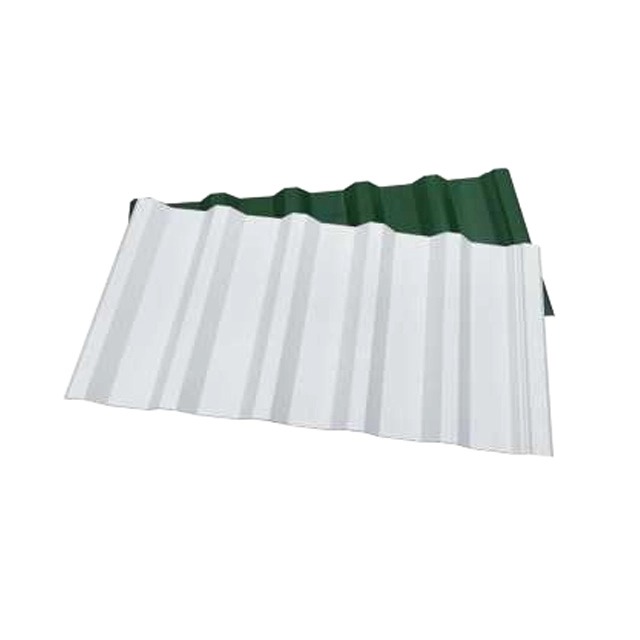
Hollow Roof Tiles often come in large, corrugated sheets or modular sections. Because they are Lightweight, a small team can cover a massive area in a single day.
Fastening: They use specialized waterproof fasteners that grip the Double layer structure securely.
Cutting: It is easier to cut synthetic hollow tiles to fit around chimneys or vents compared to heavy stone or clay.
Safety: Workers are safer handling Lightweight materials on a steep pitch, reducing the risk of accidents.
For commercial projects like factories or agricultural sheds, the speed of installing Hollow Roof Tiles can shave weeks off a construction schedule.
Does a hollow roof look "cheap"? Not anymore. Modern manufacturing allows Hollow Roof Tiles to mimic the look of traditional Spanish clay or high-end slate. They come in various colors that are UV-resistant, ensuring they don't fade after two summers.
Because they are molded, manufacturers can create a Double layer tile that looks exactly like a heavy solid tile but functions with the efficiency of a Heat resistant hollow unit. This gives architects the freedom to design beautiful buildings without being restricted by the weight limits of traditional materials.
They aren't just for warehouses. You can find them on:
Luxury eco-resorts (for Insulated comfort).
Residential carports (for Lightweight support).
Public markets (for Anti corrosion and durability).
Modern construction demands Eco-friendly solutions. Solid clay tiles require high-heat kilns that consume massive amounts of energy. Solid concrete has a high carbon footprint due to cement production.
Many Hollow Roof Tiles are now made from recyclable polymers. Their Heat resistant properties also reduce the building's carbon footprint by lowering electricity consumption. Since they are Lightweight, the carbon emissions from transporting them to the job site are much lower than transporting heavy stone or concrete.
Choosing a Double layer hollow design isn't just a technical choice; it's a step toward more sustainable building practices.
The "better" choice depends entirely on your project's goals. If you are building a historic restoration where mass and tradition are required, solid tiles are the only way. However, for 90% of modern projects, Hollow Roof Tiles offer a superior balance of performance and price.
If you value Heat resistant interiors, Anti corrosion durability, and a Lightweight installation that saves on structural costs, then the hollow path is the clear winner. They solve the problems of heat, weight, and noise that have plagued roofing for years.
Q: Are Hollow Roof Tiles strong enough to walk on?
A: Yes, if they are high-quality Double layer tiles. They are designed with internal ribs that provide high impact resistance. However, always follow the manufacturer's guidelines for walking on any roof.
Q: Do they become brittle in the sun?
A: Quality Hollow Roof Tiles are treated with UV-resistant coatings (like ASA). This prevents the material from becoming brittle or fading, ensuring a long lifespan even in intense sunlight.
Q: Can I use them for my house, or are they just for factories?
A: They are excellent for residential use! Many homeowners choose them because they are Insulated and keep the upstairs rooms much cooler than traditional tiles.
At LESSO, we understand that a roof is the most critical shield for any building. As a global leader in building materials, we operate world-class manufacturing facilities dedicated to producing high-performance Hollow Roof Tiles. Our factory utilizes advanced extrusion technology to create Double layer sheets that are exceptionally Lightweight yet incredibly strong. We don't just make roofing; we engineer solutions.
Our strength lies in our rigorous quality control and massive production capacity. Every batch of our Anti corrosion and Heat resistant tiles undergoes strict testing to ensure it meets international standards for impact and thermal insulation. We serve B2B clients worldwide, providing the scale and reliability needed for massive infrastructure projects, industrial parks, and residential developments. When you choose our products, you are partnering with a company that has the technical expertise and the industrial power to back every square meter of your roof.


