
close
Choose Your Site
Global
Social Media
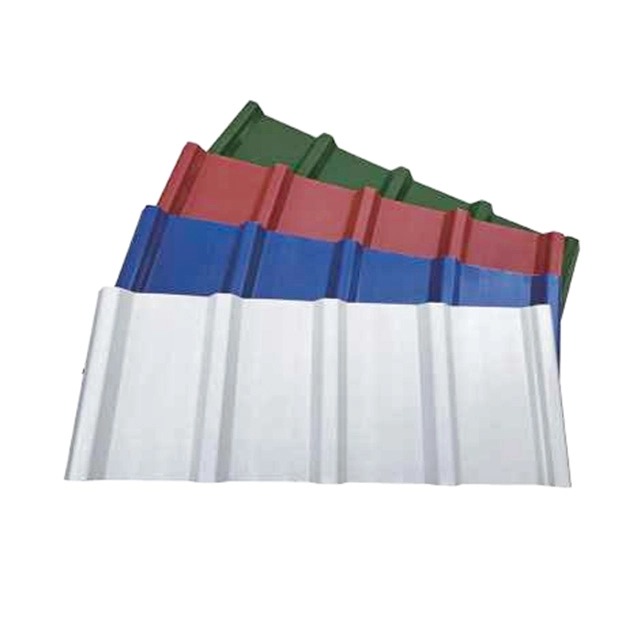
Coastal roofs face salt air and strong UV every day, and many materials rust, fade, or crack too soon. This guide shows why ASA resin roof sheet corrosion resistance matters, and why LESSO's ASA synthetic resin roof tiles protect coastal homes. Learn more about our products.
Salt air is one of the biggest threats to roofing systems in marine environments. Tiny salt particles settle on roof surfaces every day, and when combined with moisture, they trigger chemical reactions that speed up corrosion. Metal roofing often develops rust spots and weak points, while porous materials like clay can absorb moisture and crack under repeated exposure. This constant attack reduces roof lifespan and increases repair frequency. That is why coastal roofing material systems must be designed to resist salt spray and chemical damage. Salt resistant ASA roofing tiles provide a protective outer layer that blocks corrosion before it starts, helping contractors deliver stronger roofs in seaside climates.
High humidity creates long-term moisture stress on roofs. It encourages mold growth, weakens coatings, and makes fasteners more vulnerable. Coastal storms add another layer of risk because strong winds and heavy rain can exploit any small weakness in overlaps or joints. Traditional roofs often fail faster because they were not built for such extreme exposure. Marine environment roof sheets must handle both constant dampness and sudden storm pressure. ASA synthetic resin roof tiles perform well because they are non-porous, water resistant, and structurally stable even in wet climates. This helps reduce leaks and maintenance costs over time.
Standard roofing materials work well in mild environments, but they struggle in corrosive coastal areas. Metal roofs may corrode, and clay tiles can crack under thermal stress. Many coatings also fade quickly under intense UV radiation. These failures lead to higher replacement costs and more frequent contractor call-backs. Coastal roofing solutions must balance corrosion resistance, UV stability, and wind performance. ASA synthetic resin roof sheet systems are engineered to withstand these combined challenges, making them a smarter choice for buildings exposed to salty air, storms, and long-term sunlight.
Note: Coastal roofing projects should always consider both salt corrosion and wind uplift, since these two factors often cause the earliest roof failures.
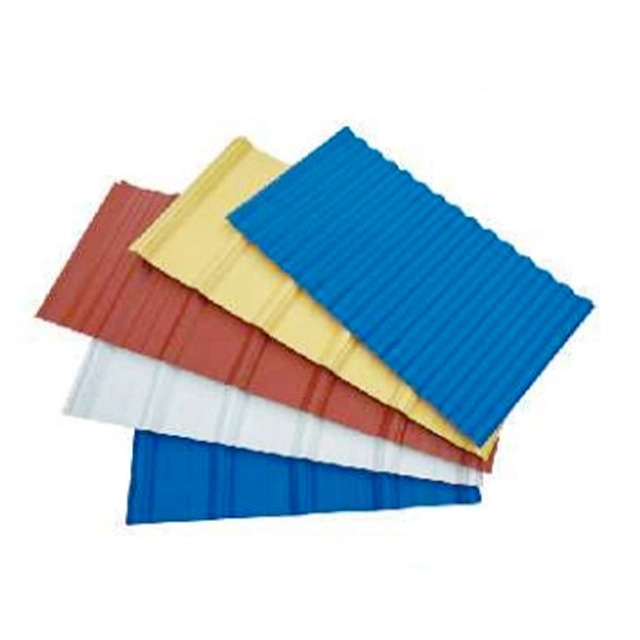
One of the strongest reasons to choose ASA synthetic resin roof tiles is their exceptional corrosion resistance. Unlike metal roofs, ASA tiles do not rust because they are polymer-based and designed to repel chemical damage. Salt spray zones are especially demanding because airborne salt constantly attacks roof surfaces. ASA resin roof sheet corrosion resistance protects against this by using a durable ASA outer layer that blocks degradation. This makes synthetic resin roof sheet systems ideal for seaside homes, coastal warehouses, and buildings near ports where corrosion is a daily concern.
Durability matters most where roofing materials face constant moisture and salty air. ASA synthetic resin roof tiles are designed for long service life, often lasting 20 to 30 years or more in harsh climates (needs verification). Their multi-layer construction prevents cracking, warping, and premature aging. In highly corrosive coastal areas, this long-term durability reduces repair cycles and helps contractors deliver better value. Salt resistant ASA roofing tiles also maintain their appearance over time, supporting both functional protection and strong building aesthetics.
When comparing roofing materials, ASA tiles consistently outperform traditional options in coastal environments. Metal roofs may require anti-rust treatments, while clay tiles often need replacements due to cracking. ASA tiles avoid both issues because they resist corrosion, repel moisture, and remain flexible under stress. Contractors also benefit from easier installation because ASA tiles are lightweight and less fragile. This makes them one of the best roofing solutions for corrosive seaside environments where long-term performance is critical.
Coastal storms bring high winds that can lift poorly installed panels or loosen traditional roofing systems. ASA synthetic resin roof tiles provide strong wind resistance because they are designed with overlapping ridges and secure fastening points. Their flexibility helps absorb wind pressure better than brittle materials. For contractors, this means fewer blow-off risks and improved safety in storm-prone regions. Marine climate roofing must withstand wind uplift, and ASA tiles deliver reliable protection when installed according to best practices.
Sunlight exposure is intense near coastlines, and UV rays quickly fade many roofing materials. ASA tiles include a UV-resistant outer layer that protects the surface from becoming brittle or losing color. This ensures long-term visual appeal, especially for resorts and residential villas where appearance matters. Synthetic resin roof sheet performance in UV stability is one of the key reasons contractors recommend ASA systems for sunny coastal climates.
Coastal storms also bring debris impacts from branches or flying objects. ASA synthetic resin roof tiles are more impact resistant than clay, reducing breakage risk. Their strong yet flexible structure helps them endure hail or debris without cracking. This resilience lowers emergency repair costs and ensures roofs remain watertight after extreme weather events.
Metal roofing is common, but it suffers greatly in salt air. Rust forms quickly, and corrosion weakens structural integrity. ASA synthetic resin roof tiles do not corrode, making them far better suited for marine climates. Contractors also save on long-term maintenance because ASA systems do not require repeated anti-rust treatments. This makes ASA resin roof sheet corrosion resistance a major advantage in coastal roofing projects.
Clay tiles offer traditional aesthetics, but they are heavy and prone to cracking under thermal stress. In humid coastal conditions, they may absorb moisture and degrade faster. ASA tiles provide similar visual appeal while being lighter, more durable, and easier to install. This makes synthetic resin roof sheet systems a practical upgrade for coastal homes and resorts.
The table below highlights key differences between ASA tiles and traditional roofing materials:
Roofing Material | Typical Lifespan | Corrosion Resistance | Maintenance Needs |
ASA Synthetic Resin Roof Tile | 20–30+ years | High | Low |
Metal Roofing | 20–25 years | Moderate (rust risk) | Moderate |
Clay Tile | 15–25 years | Moderate | Moderate |
This comparison shows why ASA tiles provide stronger long-term value for corrosive coastal environments.
Tip: Contractors should prioritize lifecycle cost, not just upfront price, when selecting roofing for seaside projects.
ASA synthetic resin roof tiles require minimal upkeep because their smooth surface resists dirt, mold, and salt buildup. Unlike porous materials, they repel moisture and prevent biological growth. This reduces cleaning frequency and keeps roofs looking fresh for years. For coastal roofing solutions, low maintenance is a major advantage because salt exposure makes frequent repairs expensive.
Traditional roofs often need repairs due to rust, cracking, or fading. ASA tiles reduce these issues by resisting corrosion and UV damage. Their durability also prevents leaks caused by material breakdown. Contractors benefit because fewer repairs mean fewer service calls and stronger customer satisfaction.
Low maintenance translates into cost savings over the building’s lifespan. Building owners spend less on replacements, repairs, and cleaning. This makes salt resistant ASA roofing tiles a smart investment, especially for large commercial or industrial facilities near the coast.
Coastal homes require roofing that combines beauty and durability. ASA tiles provide long-lasting protection while maintaining vibrant color. Their lightweight design also reduces structural load, making them suitable for villas and modern residences.
Industrial buildings near ports face heavy salt exposure and pollution. ASA synthetic resin roof sheet systems resist chemical corrosion, making them ideal for warehouses and logistics centers that need low-maintenance roofing.
Resorts need roofs that remain attractive under sun and humidity. ASA tiles offer strong UV resistance and long-term color stability, supporting both performance and visual appeal.
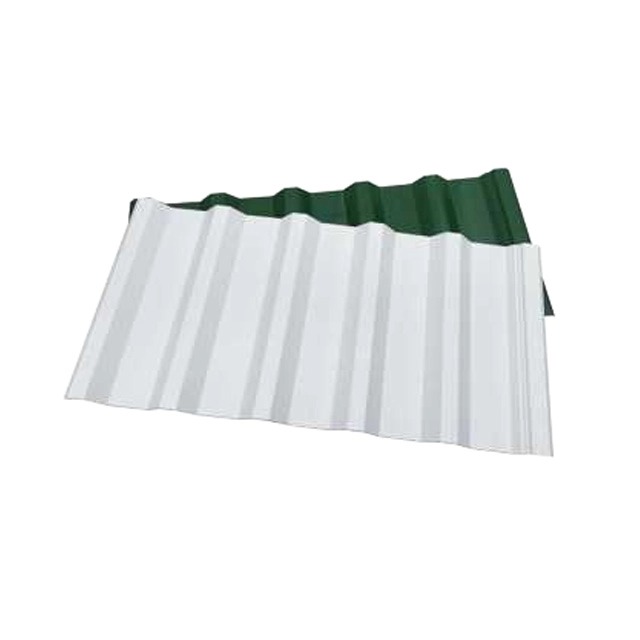
Correct installation is essential in coastal zones. Contractors must use secure fasteners, proper overlap design, and wind-resistant accessories. This ensures that ASA roofing tiles remain stable during storms.
Marine environments require corrosion-resistant screws and UV-stable sealants. Contractors should avoid low-quality materials that may fail early. Proper accessories ensure watertight performance.
Contractors should follow manufacturer guidelines, allow thermal expansion gaps, and inspect overlaps carefully. These best practices improve roof longevity and reduce risk of storm damage.
ASA tiles may cost more initially than basic materials, but they reduce long-term expenses. Less maintenance, fewer repairs, and longer lifespan create strong financial value.
ASA roofing tiles also improve thermal comfort by reducing heat transfer. Buildings stay cooler, lowering air-conditioning demand. This adds another layer of savings for coastal property owners.
The table below summarizes key value drivers:
Value Factor | ASA Roofing Benefit | Coastal Impact |
Corrosion resistance | No rust or chemical degradation | Longer lifespan near sea |
UV stability | Maintains color and strength | Better appearance over time |
Low maintenance | Minimal repairs and cleaning | Reduced ownership costs |
ASA synthetic resin roof tiles resist salt air and humidity. They stay stable under strong UV exposure. They need little maintenance over time. Their wind strength suits coastal buildings. Impact resistance adds extra safety. LESSO's ASA synthetic resin roof tiles offer durable value. They provide watertight protection in marine climates.
A: ASA resin roof sheet corrosion resistance protects roofs from salt air and humidity.
A: Synthetic resin roof sheet performance stays strong under UV exposure and coastal storms.
A: Salt resistant ASA roofing tiles outperform metal by avoiding rust and reducing maintenance.
A: Best roofing for corrosive seaside environments means fewer repairs and longer service life.


