
close
Choose Your Site
Global
Social Media
Author: Site Editor Publish Time: 2026-09-02 Origin: Site


Roofing material selection dictates building climate control, structural load limits, and long-term maintenance schedules. Facility managers and contractors often default to the lowest upfront option without evaluating how structural profiles affect thermal dynamics, acoustic performance, and span requirements. This oversight leads to excessive heat transfer, deafening rain noise, and premature structural fatigue. You need the right profile for your specific environment to avoid massive inefficiencies later. This guide provides an objective, engineering-focused comparison between single-layer and hollow UPVC configurations. We break down the mechanical advantages, thermal properties, and installation realities of both options. By understanding the core differences, you can optimize building performance and eliminate unnecessary future repairs.
Thermal & Acoustic Superiority: Hollow UPVC profiles utilize trapped air to significantly reduce heat transfer and dampen precipitation noise compared to solid single-layer alternatives.
Cost vs. Performance Trade-off: Single layer UPVC roof sheets require a lower initial capital expenditure, making them suitable for unconditioned spaces, whereas hollow sheets offer ROI through energy savings in temperature-controlled environments.
Structural Requirements: Hollow sheets generally offer higher rigidity, allowing for wider purlin spacing, though they require specific installation techniques to prevent internal condensation.
Supplier Vetting is Critical: The performance of either profile depends heavily on the extrusion quality and UV-stabilizer formulations provided by the UPVC roof sheet manufacturer.
Industrial and commercial roofing must meet strict baseline success criteria. These include high weather resistance, chemical inertness, and a reliable lifespan. Before selecting a specific profile, you must understand how physical structures alter these baseline capabilities. Beginners often confuse solid corrugated sheets with twin-wall profiles. A solid sheet consists of a single, continuous layer of extruded polymer. A twin-wall profile features top and bottom layers separated by internal vertical or diagonal ribs. This structural difference dictates the material's behavior under stress, heat, and moisture.
When you walk onto a job site, the visual difference is immediate. The solid sheet looks like a traditional metal panel but feels like dense plastic. The hollow sheet looks thicker, often resembling heavy-duty cardboard made of polymer. Both serve distinct purposes in construction. We will examine the engineering behind each to clarify their field applications.
Solid UPVC sheets undergo a monolithic extrusion process. Manufacturers force molten polymer through a single die. This creates a dense, uniform cross-section. The resulting material contains no internal voids or air pockets. You get a continuous barrier against the elements. Standard thickness ranges typically fall between 1.5mm and 3.0mm. Weight profiles remain relatively low, making the sheets easy to transport and hoist onto roof structures.
The primary advantage of a single layer UPVC roof sheet lies in its absolute simplicity. It presents zero risk of internal moisture trapping. Condensation cannot form inside the sheet because there is no internal cavity. This makes it highly resilient in extremely humid environments. The solid extrusion provides high flexibility. Installers can easily bend these sheets over curved roof applications, arched canopies, and custom architectural designs without compromising structural integrity.
From an engineering standpoint, the solid mass handles point loads differently than a hollow structure. If a heavy branch falls on a solid sheet, the material flexes. It absorbs the blunt force through its entire thickness. While it might dent or scratch, it rarely punctures unless the impact is severe and sharp. This resilience makes it a reliable choice for areas prone to falling debris.
Twin-wall or multi-wall extrusion processes create internal geometric trusses. The die shapes the molten plastic into distinct top and bottom layers connected by internal ribs. These ribs form continuous channels or flutes running the length of the sheet. This design leverages fundamental engineering principles to maximize strength while minimizing material usage.
The mechanical advantage of this hollow cross-section is substantial. It increases the section modulus without a proportional weight increase. You gain exceptional rigidity. The sheet resists bending and sagging far better than a solid sheet of the same overall weight. Simultaneously, the internal air pockets function as passive insulation barriers. Air is a poor conductor of heat. By trapping air within the flutes, a hollow UPVC roof sheet drastically slows thermal transfer between the exterior environment and the building interior.
This structural design mimics the I-beam principle used in steel construction. The top and bottom layers act as flanges, resisting bending moments. The internal ribs act as the web, resisting shear forces. This geometry allows the hollow sheet to span greater distances between supports. You can reduce the amount of structural framing required, which impacts the overall project timeline and material requirements.
Comparing these two solutions requires analyzing critical operational metrics. High-exposure environments demand specific performance characteristics. We evaluate thermal resistance, acoustic dampening, and load-bearing capacity to determine the optimal fit for different facility types. Field data and laboratory testing provide a clear picture of how each profile behaves under stress.
Thermal conductivity dictates how quickly heat moves through a roofing material. Solid UPVC offers basic thermal resistance. It performs better than bare metal but still allows significant heat transfer. When direct sunlight hits a solid sheet, the material absorbs the thermal energy and radiates it directly into the space below. The U-value remains relatively high. In a warehouse with a solid UPVC roof, summer temperatures will rise noticeably during peak daylight hours.
Hollow UPVC changes the thermodynamics entirely. The trapped air prevents direct thermal bridging. Heat must travel through the top plastic layer, across the air gap, and then through the bottom plastic layer. This multi-stage transfer process drastically lowers the overall U-value. In enclosed facilities, this translates directly to reduced HVAC loads. Air conditioning systems work less aggressively to maintain target temperatures. You achieve a more stable internal climate, which is vital for temperature-sensitive manufacturing or storage.
Consider a cold storage facility. Every degree of heat that penetrates the roof forces the refrigeration units to consume more power. The hollow profile acts as a buffer. It intercepts the solar radiation and slows its progression into the building envelope. This passive insulation reduces the operational strain on mechanical cooling equipment.
Heavy rain and hail generate severe noise pollution on hard roofing surfaces. Solid single-layer sheets feature a dense, reverberant surface. Sound waves strike the exterior and transmit directly through the monolithic material. While quieter than steel panels, solid UPVC still produces noticeable decibel levels during intense storms. In an open-air shed, this noise is manageable. In an office or retail space, it becomes highly disruptive.
The hollow structure diffuses sound waves much more effectively. When acoustic energy hits the top layer, it must pass through the internal air pockets. The transition between different mediums causes sound waves to lose energy rapidly. This dampening effect significantly lowers the interior decibel rating. Facilities requiring quiet environments benefit immensely from this acoustic reduction.
Field tests show a marked difference in acoustic comfort. During a heavy downpour, a building with a solid roof requires occupants to raise their voices to communicate. A building with a hollow roof maintains a normal conversational environment. This acoustic control improves worker productivity and enhances the customer experience in commercial settings.
Tensile strength and deflection under wind and snow loads vary significantly between the two profiles. Hollow sheets resist bending over longer spans due to their internal truss geometry. This rigidity reduces the required density of the underlying roof substructure. You can space purlins further apart safely. This reduces the total weight of the roof assembly and accelerates the installation process.
Impact resistance presents a different dynamic. In high-exposure areas prone to hail damage or wind-blown debris, you must evaluate point-load vulnerability. While a hollow sheet is structurally rigid across its span, the individual top layer is thinner than a solid single-layer sheet. A severe, localized impact from a heavy object might puncture the top flute of a hollow sheet. A solid UPVC roofing sheet absorbs blunt force impacts differently, often flexing rather than cracking under point loads.
When designing for snow loads, the hollow sheet's rigidity prevents excessive sagging between purlins. You must ensure the fasteners do not crush the internal ribs under the weight of the snow. Proper installation techniques, including the use of load-distributing washers, are mandatory to maintain structural integrity.
| Performance Metric | Single-Layer UPVC | Hollow UPVC |
|---|---|---|
| Thermal Insulation (U-Value) | High heat transfer; minimal insulation. | Low heat transfer; excellent passive insulation. |
| Acoustic Dampening | Moderate; transmits direct impact noise. | High; diffuses sound waves through air pockets. |
| Structural Rigidity | Flexible; requires closer purlin spacing (e.g., 600mm-800mm). | Highly rigid; supports wider purlin spans (e.g., 1000mm-1200mm). |
| Point-Load Impact | High resistance; absorbs blunt force through solid mass. | Vulnerable to top-layer puncture from sharp debris. |
| Condensation Risk | Zero internal risk; surface condensation only. | High internal risk if edges are improperly sealed. |
Financial implications extend far beyond the initial sticker price. You must evaluate installation speed, structural framing requirements, and long-term upkeep. A comprehensive lifecycle analysis reveals the true value of each roofing profile. We look at the total material ecosystem required to achieve a watertight, durable roof.
Hollow sheets command a higher upfront price premium. The complex extrusion process and increased raw material volume drive up manufacturing costs. Single-layer sheets remain the budget-friendly option for initial capital expenditure. If you are roofing an open-air shed or an unconditioned warehouse, the solid sheet provides immediate cost efficiency. You pay for exactly what you need: a durable weather barrier.
You must calculate ROI based on energy savings in temperature-sensitive facilities. Cold storage units, climate-controlled warehouses, and livestock housing require strict temperature regulation. The superior insulation of hollow sheets reduces daily electricity consumption from HVAC units. Over a five-year period, these accumulated energy savings frequently offset the initial material price premium entirely. The building operates more efficiently, lowering monthly utility bills.
The reduced strain on HVAC equipment extends the lifespan of the mechanical systems. Compressors run less frequently. Air handlers push less volume. This secondary financial benefit often goes unnoticed during the initial procurement phase but significantly impacts the facility's long-term operating budget.
Labor costs fluctuate based on material handling requirements. Lightweight UPVC roofing generally requires fewer workers to hoist and position compared to traditional materials. Single-layer sheets are faster to cut on-site. Installers can trim them rapidly with standard circular saws without worrying about exposing internal cavities. The installation moves quickly, reducing billable labor hours.
Hollow sheets demand more meticulous installation. Workers must carefully seal the exposed edges to prevent moisture ingress. Applying anti-dust tape and aluminum closures takes time. This adds labor hours to the project. Conversely, the wider permissible purlin spacing for hollow sheets drastically reduces the total volume of steel or timber framing required. You buy fewer purlins and spend less time installing the substructure. This framing reduction often balances out the slower panel installation speed.
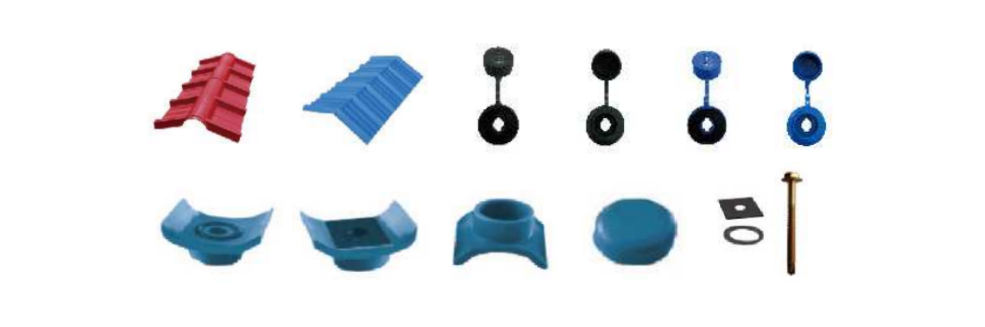
When planning the project timeline, factor in the specific accessory requirements. Hollow sheets require specialized EPDM washers that distribute the fastener load. Installers must take care not to overtighten the screws, which slows down the fixing process. Single-layer sheets are more forgiving during the fastening stage.
Long-term maintenance dictates the ongoing operational budget. Single-layer systems are generally easier to inspect. You can identify surface damage immediately. If a solid panel cracks, repair crews can often patch it quickly or replace the single sheet with minimal disruption. The solid mass does not hide internal damage.
Repairing a hollow profile involves more complexity. If heavy debris crushes the internal truss or punctures the flutes, patching becomes difficult. Water can enter the damaged flute and travel down the length of the sheet. This internal water tracking makes leak detection challenging. The water might enter at the ridge but drip into the building near the eave. You typically must replace the entire damaged panel to restore structural and thermal integrity.
Regular inspections are critical for hollow roofs. Maintenance teams must check the edge sealing tapes annually. If the tape degrades, insects and dust will enter the flutes. This debris blocks drainage and promotes algae growth, which ruins the sheet's appearance and reduces its light transmission if the panels are translucent.
Every roofing system carries practical realities and potential failure points. Recognizing these risks before installation allows you to implement effective mitigation strategies. Proper planning ensures the material performs as engineered. We focus on moisture control and thermal movement, the two most common causes of premature roof failure.
The primary risk associated with hollow sheets is moisture ingress. If water vapor enters the open flutes, it condenses when temperatures drop. Trapped moisture leads to internal algae growth. This degrades the sheet's appearance and reduces its thermal efficiency. The trapped water can also freeze in cold climates, expanding and cracking the internal ribs.
You must deploy specific mitigation tactics. Installers must use breathable anti-dust sealing tapes on the lower edges of the sheets. This allows internal condensation to drain out while blocking dust and insects. Solid aluminum tape should seal the upper ridges before capping. You must ensure the correct roof pitch. A steeper pitch accelerates drainage and prevents water from pooling near the sealed edges. A minimum pitch of 10 degrees is standard practice for hollow profiles.
Never leave the ends of a hollow sheet exposed to the elements. Even during temporary storage on the job site, keep the factory-applied protective tape intact until the panels are ready for final installation. Moisture can enter the flutes while the sheets are sitting on the ground, causing problems before the roof is even built.
UPVC possesses a specific coefficient of linear thermal expansion. The material expands under hot sun and contracts during cold nights. If you restrict this movement, the panels will warp, buckle, or crack around the fixing points. This applies to both single and hollow profiles. A 6-meter sheet can expand by several millimeters during a hot summer day.
Installers must pre-drill oversized holes. The hole diameter should be slightly larger than the fastener shaft to accommodate movement. You must use specialized weather-seal fasteners equipped with high-quality EPDM washers. These washers compress to maintain a watertight seal while allowing the plastic panel to slide slightly underneath as temperatures fluctuate. Never overtighten the fasteners, especially on hollow sheets, as excessive pressure will crush the internal ribs.
Use a drill with an adjustable clutch setting. This prevents the installer from driving the screw too deep. The washer should sit firmly against the sheet, creating a seal without deforming the plastic surface. Proper fastening technique is the single most important factor in preventing long-term leaks and stress fractures.
Technical capabilities must map directly to specific use cases. Selecting the right profile depends entirely on the daily operational demands of the facility. We categorize these recommendations based on industry requirements and environmental exposure.
Open-sided chemical processing plants and heavy industrial facilities prioritize corrosion resistance above all else. Thermal insulation is often irrelevant in open structures. We recommend single-layer sheets for these applications. They offer total immunity to chemical vapors, zero risk of internal contamination, and straightforward wash-down maintenance. The solid profile withstands harsh cleaning chemicals and high-pressure washing without risking internal water ingress.
In fertilizer plants or galvanizing facilities, airborne corrosive agents destroy metal roofs rapidly. The solid UPVC profile provides a reliable, long-lasting barrier. Its simplicity ensures that corrosive dust cannot accumulate in hidden cavities.
Livestock enclosures and climate-controlled warehouses face different challenges. Heat stress severely impacts livestock health and productivity. Temperature fluctuations damage stored goods. We strongly recommend hollow UPVC for these environments. The thermal buffering prevents extreme internal temperature spikes, while the acoustic dampening reduces animal stress during heavy storms.
In poultry farms, maintaining a consistent internal temperature is critical for bird health. The hollow profile reduces the need for aggressive mechanical ventilation during the summer. In winter, it helps retain the heat generated by the animals, lowering heating costs. The acoustic benefits also prevent panic among the flock during sudden hailstorms.
Patios, carports, and retail walkways require a balance of aesthetics and comfort. Evaluate your specific acoustic requirements. If the canopy sits near bedroom windows or outdoor dining areas, the noise reduction of a hollow profile is highly beneficial. If the design requires complex curves or strict budget adherence, the single-layer profile serves as the practical choice.
For a commercial walkway connecting two retail buildings, the hollow profile provides a premium feel. It blocks the intense summer sun, keeping pedestrians cool, and dampens the noise of heavy rain. For a simple backyard tool shed, the single-layer sheet provides adequate protection without unnecessary complexity.
The physical profile only dictates potential performance. Actual field reliability depends heavily on manufacturing quality. You must evaluate the production standards before finalizing procurement. A poorly extruded sheet will fail regardless of its structural design.
Demand transparency regarding factory certifications. Look for ISO 9001 compliance and relevant ASTM or EN testing standards for tensile strength and fire retardancy. The most critical factor is UV protection. Standard UPVC degrades under prolonged sun exposure. Ensure the UPVC roof sheet manufacturer utilizes ASA co-extrusion technology. This specialized surface layer prevents color fading, chalking, and micro-cracking over the product's lifespan.
Ask for accelerated weathering test reports. These documents prove how the material performs after thousands of hours of simulated UV exposure. A reputable manufacturer will readily provide this data. The quality of the raw resin and the precision of the extrusion die determine the sheet's final strength.
Scrutinize the standard commercial warranty. A robust warranty should explicitly cover color retention, hail impact resistance up to a specific diameter, and long-term structural integrity. Avoid suppliers offering vague guarantees. Read the fine print regarding installation requirements, as improper fastening often voids the warranty.
Evaluate the operational capabilities of the UPVC roof sheet supplier. Do they provide comprehensive technical support? Can they execute custom length cutting to minimize your on-site waste? Ensure they supply a complete ecosystem of compatible installation accessories, including the correct EPDM fasteners, ridge caps, and breathable edge tapes. Sourcing accessories separately often leads to compatibility failures and voided warranties. A single-source supplier guarantees that all components work together to form a cohesive UPVC roof sheet system.
Calculate your required purlin spacing based on local wind load codes to determine framing material volume.
Assess your facility's HVAC dependencies to quantify the financial value of thermal insulation upgrades.
Review your roof pitch to ensure adequate drainage parameters for hollow profiles.
Request physical material samples and detailed technical data sheets from a verified supplier.
A: A standard UPVC roofing sheet typically lasts 15 to 30 years. This lifespan depends heavily on UV-resistant surface coatings, local climate extremes, and regular maintenance. High-quality sheets feature ASA co-extrusion layers. These protective layers prevent premature yellowing and degradation under harsh sunlight.
A: Installers use standard cutting and drilling tools. However, specific accessories are critical. You need breathable edge-sealing tapes to prevent moisture ingress. You also must use specialized fasteners with EPDM washers. Correct tensioning is vital to avoid crushing the hollow internal profile during installation.
A: Yes. When installed with the correct fastener density and appropriate purlin spacing, both single and hollow UPVC sheets meet stringent wind uplift codes. The key is strict adherence to the manufacturer's structural engineering guidelines regarding overhang limits and screw placement.
A: You must seal the flutes properly. Apply anti-dust breathable tapes on the lower edges to allow internal moisture to escape while blocking debris. Use solid aluminum tape on the upper ridges before installing the capping. Ensure your roof pitch is steep enough to promote rapid water runoff.
A: Single-layer UPVC generally offers better lifecycle value in corrosive environments. While upfront costs are competitive, UPVC is entirely immune to rust and chemical corrosion. This eliminates the expensive recoating and premature replacement cycles associated with metal roofing. Its lighter weight also accelerates installation.
A: No. You should never walk directly on UPVC panels. The material is not designed to support concentrated human point loads safely. Installers must use crawling boards, roof ladders, or elevated work platforms to distribute weight evenly across the underlying structural purlins.


