
close
Choose Your Site
Global
Social Media
Author: Site Editor Publish Time: 2025-09-05 Origin: Site


In today’s fast-paced urban environments, noise pollution has become a significant concern affecting the quality of life, productivity, and health of building occupants. Whether it’s the constant hum of traffic, construction noise, or loud industrial activities, excessive noise can lead to stress, disturbed sleep, and reduced concentration. As a result, architects and builders are increasingly prioritizing acoustic comfort when designing modern buildings.
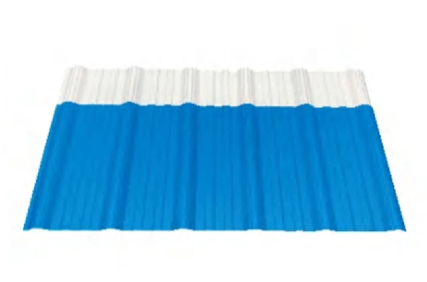
One innovative solution gaining widespread attention is the use of sound-insulating UPVC hollow tiles. These roofing and cladding materials not only provide robust protection against weather but also significantly improve the acoustic environment inside buildings.
Noise pollution refers to unwanted or harmful sound that disrupts normal activities and damages health. In urban areas, sources of noise pollution include vehicular traffic, public transport systems, construction sites, industrial zones, and even neighboring properties.
Prolonged exposure to high noise levels can cause:
Hearing loss and tinnitus
Increased stress and anxiety
Sleep disturbances and fatigue
Reduced work and study efficiency
Negative impacts on cardiovascular health
Given these consequences, effective noise control measures are essential, especially in densely populated or industrial areas.
Sound transmission into a building primarily occurs through walls, windows, doors, and roofs. To create a peaceful indoor environment, materials with sound-absorbing or sound-insulating properties are critical. Traditionally, materials like dense concrete, brick, or specialized acoustic panels have been used to reduce noise ingress.
However, these materials can be heavy, costly, or lack weather-resistant qualities necessary for roofing applications. This is where UPVC hollow tiles offer a compelling alternative by combining lightweight durability with impressive sound-insulating performance.
UPVC (Unplasticized Polyvinyl Chloride) is a rigid and durable plastic commonly used in construction due to its weather resistance, low maintenance, and long service life. UPVC hollow tiles are manufactured using extrusion technology, creating a tile with internal hollow chambers.
These hollow sections trap air and provide natural insulation against heat, moisture, and sound. The result is a roofing or cladding material that enhances both energy efficiency and acoustic comfort.
The excellent sound-insulating properties of UPVC hollow tiles stem from a thoughtful combination of their unique material composition and innovative hollow design. Several key factors work together to significantly reduce noise transmission and enhance acoustic comfort inside buildings:
Air Cavities Reduce Sound Transmission
The internal hollow chambers of UPVC tiles act as natural sound barriers by trapping and dissipating sound waves. Air, being a poor conductor of sound, serves as an effective cushion that interrupts the path of noise traveling through the tile. These air pockets break down sound energy and prevent it from easily passing through the roofing material, significantly lowering the amount of external noise that reaches the interior spaces.
Material Density and Elasticity
UPVC has an optimal density that creates a solid physical barrier against airborne noise such as traffic, voices, and industrial sounds. Beyond density, UPVC’s slight elasticity allows it to absorb and dampen vibrations caused by impact noises, including hailstorms, heavy rain, or footsteps on rooftops. This flexibility reduces the resonance and reverberation of sound waves, further enhancing the soundproofing performance.
Interlocking Tile Design Minimizes Gaps
Many UPVC hollow tiles are designed with precision-engineered interlocking edges that fit tightly together when installed. This tight fit eliminates gaps or openings between tiles, which are common points for sound leakage in traditional roofing systems. By creating a seamless surface, the interlocking design ensures a continuous sound barrier, preventing unwanted noise infiltration through cracks or joints.
Compatibility with Additional Acoustic Layers
UPVC hollow tiles are highly adaptable and can be used alongside supplementary insulation materials such as foam, mineral wool, or acoustic mats in roofing assemblies. These additional layers work synergistically with the hollow tile structure to absorb and block a broader range of sound frequencies, providing enhanced acoustic performance in particularly noisy environments or where stricter noise control standards apply.
Reduction of Structural Noise Transfer
Because of their hollow and resilient design, UPVC hollow tiles help reduce the transmission of structural noise — vibrations that travel through building materials — minimizing the impact of sounds like footfalls or mechanical equipment operating on the roof.
Lightweight Construction Reduces Vibrational Amplification
The lightweight nature of UPVC hollow tiles means less mass to transmit vibrations, which helps prevent the amplification of sounds that heavier roofing materials might inadvertently cause.
Together, these features make UPVC hollow tiles a comprehensive solution for improving acoustic comfort, especially in urban and industrial settings where noise pollution is a persistent challenge.
The acoustic benefits of UPVC hollow tiles make them ideal for various building types, including:
Residential Homes
In urban neighborhoods or near busy roads, these tiles help create quiet and comfortable living spaces, improving sleep quality and daily relaxation.
Educational Institutions
Schools and universities benefit from reduced external noise, enhancing concentration and learning environments for students.
Healthcare Facilities
Hospitals and clinics require calm and peaceful interiors for patient recovery, making sound-insulating materials a necessity.
Commercial Buildings and Offices
Reduced noise distractions lead to better productivity and a more pleasant work atmosphere.
Industrial Facilities
Factories and warehouses often operate in noisy environments. Using UPVC hollow tiles can mitigate noise pollution for both workers and nearby communities.
While acoustic comfort is a major advantage, UPVC hollow tiles offer a suite of other benefits that make them attractive for modern construction:
Weather Resistance
They resist UV radiation, moisture, and chemicals, maintaining structural integrity and appearance over time.
Thermal Insulation
The hollow structure helps reduce heat transfer, lowering cooling costs in hot climates.
Lightweight and Easy Installation
Their low weight simplifies handling and reduces structural load, enabling quicker and safer installation.
Low Maintenance
Unlike traditional roofing materials, UPVC hollow tiles do not require frequent painting or repairs.
Sustainability
Many UPVC products are recyclable, contributing to environmentally friendly building practices.
To maximize the sound-insulating benefits of UPVC hollow tiles:
Ensure proper sealing of joints and edges to prevent sound leaks.
Combine with additional insulation layers in roofs when noise reduction demands are high.
Perform regular inspection and cleaning to maintain tile integrity and appearance.
Work with experienced professionals to design and install a roofing system tailored to your acoustic needs.
As urban noise levels rise, integrating sound-insulating solutions in building design is essential. Sound-insulating UPVC hollow tiles provide an effective, durable, and cost-efficient way to enhance indoor acoustic comfort without compromising on weather resistance or structural integrity.
Whether you’re constructing a new residential complex, upgrading a commercial facility, or designing a healthcare environment, UPVC hollow tiles offer a versatile solution that meets modern performance expectations.
For more information on high-quality UPVC hollow tiles and customized acoustic roofing solutions, we recommend contacting Guangdong Yangming Photovoltaic Technology Co., Ltd. Their expertise in innovative UPVC products and commitment to customer satisfaction make them a trusted partner in building better, quieter spaces.


