
close
Choose Your Site
Global
Social Media
Author: Site Editor Publish Time: 2025-09-01 Origin: Site


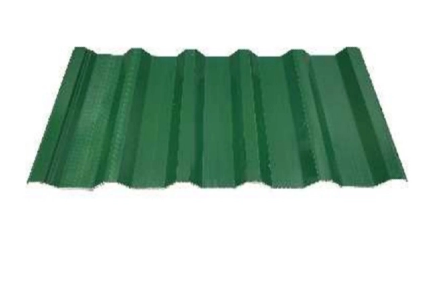
When planning a new construction or renovation project, choosing the right roofing material is a decision that can significantly affect the building’s durability, aesthetics, and energy efficiency. For decades, traditional materials such as clay tiles, concrete tiles, and metal sheets have dominated the roofing industry. However, in recent years, UPVC Hollow Tile has emerged as an innovative alternative, offering a blend of modern technology and practical benefits that appeal to both residential and commercial builders.
UPVC (Unplasticized Polyvinyl Chloride) Hollow Tile is a roofing solution made from rigid PVC material that has been engineered for improved performance. The “hollow” design refers to its internal structure, which creates air channels within the tile. These air channels provide excellent thermal insulation and reduce the overall weight of the roofing system.
Key characteristics of UPVC Hollow Tile include:
Lightweight construction for easier handling and reduced structural load.
High UV resistance to prevent color fading over time.
Corrosion resistance, especially useful in coastal or industrial environments.
Thermal and acoustic insulation due to the hollow core design.
Waterproof and weather-resistant surface coating.
When planning a roofing project, durability is often at the top of the priority list. After all, a roof isn’t something you want to replace frequently — it’s a long-term investment that needs to withstand years of weathering, environmental challenges, and daily wear. Here’s how UPVC Hollow Tile stacks up against some of the most common traditional roofing options.
Engineered for resistance: These tiles are manufactured using high-grade unplasticized polyvinyl chloride (UPVC), which is inherently resistant to corrosion, rust, and decay — common enemies of many roofing materials.
Outstanding weather protection: Whether it’s acid rain in industrial areas, saltwater spray near coastal regions, or chemical exposure from nearby manufacturing plants, UPVC Hollow Tile maintains its structural integrity and appearance.
No water absorption: Unlike porous materials, UPVC does not absorb water. This prevents problems such as expansion, cracking, or spalling during freeze-thaw cycles in colder climates.
Low-maintenance longevity: With a typical lifespan of 20 to 30 years, UPVC Hollow Tile requires little more than occasional cleaning, making it a practical choice for homeowners and project managers looking to minimize upkeep costs.
Strength with tradition: Clay tiles have been valued for centuries for their durability and timeless appeal. They are naturally resistant to fire, pests, and rot.
Impact vulnerability: Despite their strength, clay tiles can crack under heavy impact (such as falling branches) or when foundations shift. Repairs can be costly, especially if matching colors and textures is difficult.
Long lifespan, higher weight: Clay tiles can last 50 years or more, but their heavy weight often requires reinforced roof structures, increasing installation costs.
Concrete tiles: These offer a more budget-friendly option but have higher water absorption rates. Over time, this can encourage mold, algae, or moss growth, particularly in humid climates, adding to maintenance needs.
Exceptional lifespan: Metal roofs, depending on the material and coating, can last between 40 and 70 years, making them one of the most durable roofing choices available.
Potential drawbacks: They can dent from hail or falling debris, and protective coatings may degrade over time. Without timely maintenance, exposed areas can corrode.
Thermal performance: In very hot climates, metal can conduct heat into the building unless paired with proper insulation, potentially increasing cooling costs.
Verdict:While traditional clay and metal roofs have reputations for exceptional longevity, UPVC Hollow Tile holds its own in the durability department — particularly in environments prone to corrosion, chemical exposure, or high humidity. The combination of long service life, reduced maintenance demands, and reliable weather resistance makes UPVC Hollow Tile a strong contender for both residential and commercial projects.
Comfort inside a building is influenced not just by aesthetics but also by insulation.
Hollow core structure acts as a thermal barrier, keeping interiors cooler in hot weather and warmer in cold weather.
Provides notable noise reduction—ideal for areas with heavy rainfall or traffic noise.
Naturally good at thermal insulation but can retain heat for longer, which may cause indoor temperatures to rise during prolonged hot weather.
Noise insulation is moderate, but heavy rain or hail can still create noticeable sound.
Transfers heat and sound easily unless paired with high-quality insulation.
Without adequate insulation, interiors can be uncomfortably warm in summer and noisy during storms.
Verdict: For energy efficiency and sound control, UPVC Hollow Tile has a clear edge due to its built-in hollow insulation system.
Lightweight design reduces transportation and labor costs.
Can be installed faster, requiring fewer structural reinforcements.
Minimal maintenance—just occasional cleaning to remove dirt and debris.
Heavy weight requires strong support structures, increasing construction costs.
Installation is labor-intensive and time-consuming.
Periodic inspections are needed to replace cracked or broken tiles.
Lighter than clay/concrete but heavier than UPVC Hollow Tile.
Can be installed relatively quickly, but cutting and fitting require precision to avoid leaks.
May need repainting or anti-corrosion treatment over time.
Verdict: UPVC Hollow Tile wins in terms of ease of installation and low maintenance needs.
Available in a wide range of colors and styles to mimic clay, slate, or other roofing textures.
UV-resistant coating ensures the color stays vibrant over time.
Offers a modern, clean appearance that suits both residential and commercial designs.
Timeless, traditional appearance.
Suitable for heritage or Mediterranean-style architecture.
Limited flexibility in modern design applications.
Sleek and modern look, but not always suitable for traditional architectural styles.
Color choices are broad but may fade over decades.
Verdict: UPVC Hollow Tile offers the flexibility to achieve both traditional and modern looks without sacrificing durability.
Lower upfront cost compared to clay or high-quality metal roofs.
Reduced installation and maintenance expenses add to long-term savings.
High initial investment due to material and labor costs.
Long lifespan can offset costs but may still require ongoing repairs.
Price varies widely depending on metal type (steel, aluminum, copper).
Long life expectancy can make it cost-effective, but insulation and maintenance can add to expenses.
Verdict: For those seeking a balance between affordability and performance, UPVC Hollow Tile offers strong value.
Can be made from recyclable materials and is itself recyclable at end of life.
Energy savings from better insulation contribute to reduced carbon footprint.
Made from natural materials but require significant energy for production and transport due to weight.
Long lifespan is an environmental advantage.
Highly recyclable and often made from recycled content.
Energy-intensive manufacturing process.
Verdict: UPVC Hollow Tile stands out for its lightweight nature, which lowers transportation emissions, and its insulation properties, which promote energy efficiency.
Choosing between UPVC Hollow Tile and traditional roofing materials ultimately depends on your project’s needs, budget, and style preferences.
If you prioritize lightweight installation, energy efficiency, low maintenance, and modern versatility, UPVC Hollow Tile is a strong contender.
If you want maximum lifespan and a heritage look, clay or concrete tiles may still be your go-to choice.
If you need long-lasting industrial-grade roofing, metal can be the right fit—though it requires good insulation.
For many modern construction projects—especially in coastal, industrial, or high-temperature regions—UPVC Hollow Tile strikes the ideal balance between durability, comfort, and affordability.
If you’re considering UPVC Hollow Tile for your next project, it’s worth consulting with an experienced supplier to explore product options, technical specifications, and installation advice. Guangdong Yangming Photovoltaic Technology Co. offers a range of UPVC roofing solutions designed to meet diverse architectural and environmental needs. You can learn more about their products and expertise to find the roofing solution that best matches your project goals.


