
close
Choose Your Site
Global
Social Media
Author: Site Editor Publish Time: 2026-03-16 Origin: Site


Ignoring a "hollow" sound when you walk across your floor or inspect your roof is a recipe for disaster. While a single loose tile might seem like a minor annoyance, it is actually a symptom of a failing bond or structural shifting. If you leave it alone, you aren't just living with a noise; you are inviting a chain reaction of property damage.
In industrial and residential roofing, the stakes are even higher. Using high-quality Hollow Roof Tiles is a smart investment, but neglecting their maintenance can lead to catastrophic leaks and thermal loss. Whether it is a Lightweight ceramic tile or a Double layer synthetic sheet, a hollow spot indicates an air pocket where there should be solid adhesion. This guide explores the severe consequences of procrastination, from mold growth to total structural failure.
When a tile is "hollow," it means a gap exists between the material and the substrate. This gap removes the support it needs to handle weight. If you don't fix these spots, the tile becomes brittle. Pressure from foot traffic, heavy snow, or even high winds will eventually cause the surface to snap.
For those using Hollow Roof Tiles, the internal air chambers provide excellent Insulated properties. However, if the external shell cracks due to a lack of support, it loses its structural integrity. Once a crack forms, the "hollow" area expands. What started as one loose piece quickly becomes a dozen shattered fragments. You will find yourself replacing the entire surface rather than performing a simple injection fix.
| Feature | Impact of Hollow Areas | Long-term Consequence |
| Structural Support | None (Air Gap) | High risk of shattering under load |
| Impact Resistance | Reduced | Easily damaged by hail or debris |
| Longevity | Shortened | Rapid degradation of surrounding tiles |
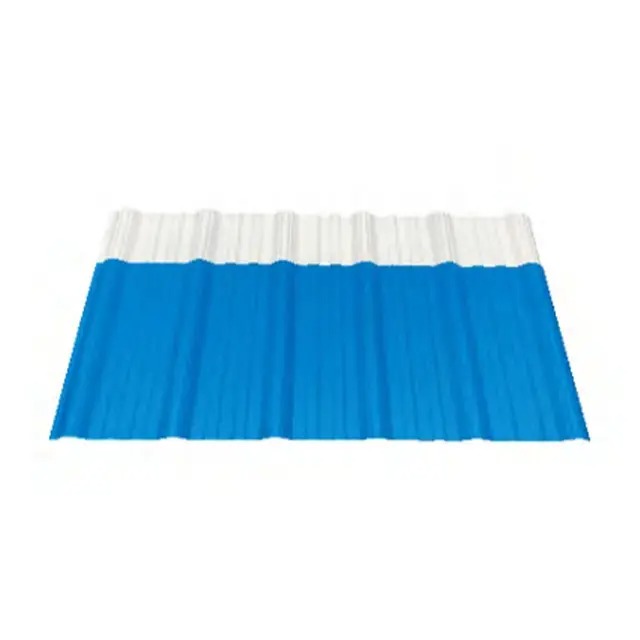
One of the primary reasons modern builders choose a Double layer or Insulated roofing system is to regulate temperature. Hollow Roof Tiles are specifically designed to be Heat resistant. They trap air to create a thermal barrier. If these tiles become detached or hollow, that thermal bridge is broken.
If you fail to fix the bonding issues, air and moisture seep into the gaps. This disrupts the Insulated performance of your building. During summer, heat penetrates the gaps, forcing your HVAC system to work harder. In winter, precious warmth escapes through these unbonded sections. Neglecting the fix directly increases your monthly utility bills. Over five years, the cost of wasted energy often exceeds the cost of the original tile repair.
This is the most dangerous consequence of ignoring hollow spots. A hollow tile is rarely airtight. Micro-cracks in the grout or adhesive allow rainwater to seep underneath. Because the tile is no longer flush with the surface, water pools in the hollow cavity.
Once water enters the hollow space under Hollow Roof Tiles, it has nowhere to go. It sits against the roof deck or the subfloor. This leads to:
Rotting Substrates: Wooden roof beams or plywood decks will soften and decay.
Adhesive Failure: Water weakens the bond of neighboring tiles, causing a "zipper effect" where the whole roof starts to fail.
Mold Colonies: Dark, damp, and stagnant air pockets are breeding grounds for black mold.
If mold develops under your Lightweight roofing or flooring, it eventually enters the ventilation system. Occupants may suffer from respiratory issues or allergies. By the time you see a stain on your ceiling, the internal damage is already severe. Fixing the hollow spot early prevents this hidden health hazard.
Roofing and flooring systems rely on collective strength. When one Hollow Roof Tile loses its bond, it places extra stress on the edges of the surrounding tiles. This is often called the "zipper effect." As the loose tile moves, it grinds against the grout of its neighbors.
If you use Double layer synthetic tiles, they often feature interlocking mechanisms. A hollow section allows for "micro-movements." These movements wear down the interlocking tabs. Eventually, the wind can get under a loose Anti corrosion sheet and lift it entirely. If you don't secure the first hollow spot, you are essentially waiting for a windstorm to peel back your roof like a tin can.
In a commercial or industrial setting, hollow tiles are more than a maintenance issue; they are a legal liability. If you have hollow floor tiles, they can "tent" or pop up unexpectedly, creating a trip hazard for employees or customers.
On a roof, the risk is even more dramatic. A shattered Lightweight tile can slide off a sloped roof during a storm. These fragments become dangerous projectiles. If a Hollow Roof Tile falls from a height because it wasn't properly bonded, the resulting damage to vehicles or pedestrians can lead to expensive lawsuits. Proactive maintenance is significantly cheaper than legal settlements.
Economists use the term "deferred maintenance" to describe the practice of pushing back repairs. While it saves money today, it compounds the cost tomorrow. Fixing a hollow tile usually involves a simple adhesive injection or replacing a small section of grout.
| Stage of Repair | Complexity | Estimated Cost (Relative) |
| Immediate Fix | Low (Injection/Grouting) | $ |
| Delayed (6 Months) | Medium (Tile Replacement) | $$ |
| Neglected (2 Years) | High (Substrate Repair/Mold Removal) | |
| Total Failure | Extreme (Full System Replacement) | $ |
If you try to sell a property with "drummy" or hollow sounds in the roof or floor, a home inspector will flag it immediately. This often leads to buyers demanding a massive "credit" or pulling out of the deal entirely. Maintaining your Heat resistant tiles ensures your asset holds its value.
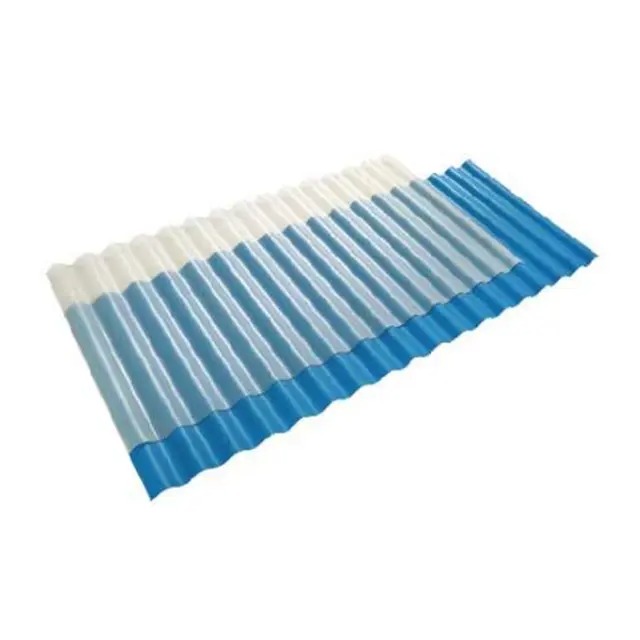
In factories where chemicals or high humidity are present, Anti corrosion properties are vital. Many industrial Hollow Roof Tiles are designed to resist acidic rain and salt spray. However, these protections are usually only on the surface.
If the tile is hollow and the bond is broken, corrosive agents can reach the underside of the tile or the metal fasteners holding the roof together. Without the protection of a tight seal, your Anti corrosion system is bypassed. We have seen roof supports rust through in record time simply because water was trapped in hollow cavities under the tiles.
Leaving a hollow tile alone is a gamble you will eventually lose. What starts as a simple lack of adhesion evolves into shattered materials, wasted energy, and dangerous mold growth. Whether you are dealing with Lightweight residential tiles or Double layer industrial Hollow Roof Tiles, the "Expert Insight" is simple: address the hollow sound as soon as you hear it. By acting now, you protect your safety, your health, and your bank account.
You can perform a "tap test." Gently strike the tile with a rubber mallet or a wooden stick. A solid tile will produce a high-pitched "clink," while a hollow one will sound like a drum or a dull thud.
Yes. Because there is no adhesive support underneath, the material must bear the full weight of any impact alone. This makes even Heat resistant or Anti corrosion tiles vulnerable to cracking.
In many cases, yes. Professionals use a technique called "tile injection," where a high-strength epoxy or adhesive is pumped through a small hole in the grout line to fill the void.
We operate a world-class manufacturing facility dedicated to producing the highest quality roofing solutions. Our production lines specialize in Hollow Roof Tiles that are both Lightweight and exceptionally durable. We have invested heavily in research to ensure our Double layer designs provide superior Insulated performance for industrial and residential use.
Our strength lies in our commitment to material science. We use advanced Anti corrosion and Heat resistant formulas to ensure our products stand up to the harshest environments. With years of experience in global markets, we understand that a roof is only as good as its installation and maintenance. That is why we focus on creating products that promote easy bonding and long-term stability. When you choose our roofing sheets, you are choosing a legacy of engineering excellence and factory-direct reliability.


