
close
Choose Your Site
Global
Social Media
Author: Site Editor Publish Time: 2026-01-22 Origin: Site


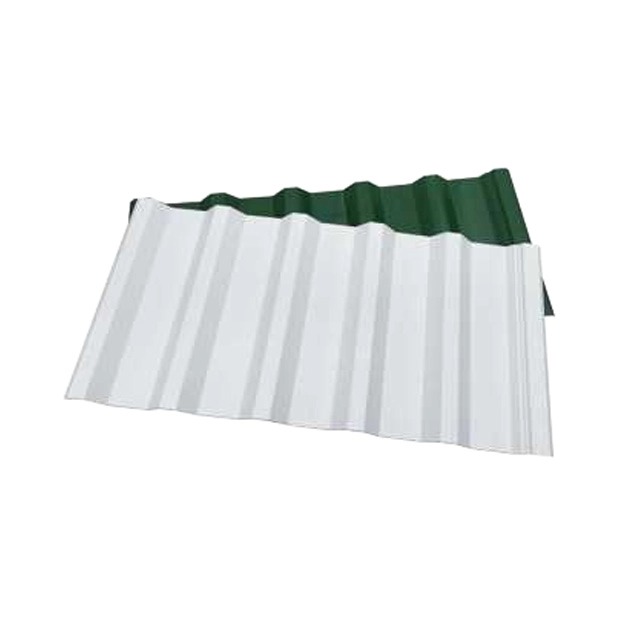
Are you looking for a versatile material that combines strength and lightweight properties?
In this article, we’ll explore hollow sheets and their wide-ranging applications in industries like packaging, construction, signage, and agriculture. You’ll learn how these sheets provide durability, cost savings, and environmental benefits while serving multiple purposes. By the end, you’ll understand why hollow sheets are becoming a go-to solution for various business needs.
A hollow sheet is a type of plastic sheet that features a unique structure consisting of multiple layers. These sheets are designed with a hollow core sandwiched between two outer layers, much like the construction of corrugated cardboard. This design makes hollow sheets both strong and lightweight, providing an excellent solution for applications where durability and weight reduction are important.
Hollow sheets are typically made from two main materials: polypropylene (PP) and polycarbonate (PC). Polypropylene hollow sheets are lightweight, resistant to chemicals, and offer excellent impact resistance, making them ideal for packaging and industrial applications. Polycarbonate hollow sheets, on the other hand, are known for their superior impact resistance and thermal stability, making them suitable for more demanding applications such as construction and automotive.
These sheets are produced using an extrusion process where molten plastic is formed into continuous sheets and then cut to the required size. Their hollow structure not only reduces the material's weight but also helps absorb shock, making them more durable and resistant to impact.
The two most common types of hollow sheets are polypropylene (PP) and polycarbonate (PC).
● Polypropylene Hollow Sheets (PP): Known for their high chemical resistance, impact resistance, and flexibility, PP hollow sheets are widely used in industries like packaging, construction, and signage. They are affordable, recyclable, and highly resistant to moisture, making them ideal for packaging solutions that need to withstand tough environments.
● Polycarbonate Hollow Sheets (PC): Polycarbonate hollow sheets are more robust than polypropylene sheets, offering superior impact resistance and high-temperature stability. These sheets are often used in construction, agriculture, and automotive applications where durability and heat resistance are critical.
Each type of hollow sheet material offers specific benefits, depending on the application. Polycarbonate sheets are more durable and can withstand more extreme conditions, while polypropylene sheets are lighter and more cost-effective.
Tip: Choose polypropylene sheets for applications that require lightweight and cost-effective solutions, while polycarbonate sheets are better suited for environments that demand superior durability and heat resistance.
One of the most significant uses of hollow sheets is in the packaging industry. Their lightweight yet durable nature makes them perfect for protective packaging applications, such as reusable shipping boxes, storage bins, and custom dividers. The hollow core of the sheets provides added strength, ensuring that fragile or sensitive items are well-protected during transit.
Hollow sheets are particularly valuable in the logistics sector, where cost-effective, durable, and eco-friendly packaging solutions are in demand. Unlike traditional cardboard, which can easily absorb moisture and become damaged, hollow sheets are resistant to moisture, chemicals, and wear. This makes them an excellent choice for industries that require packaging solutions capable of withstanding various environmental factors, such as food, pharmaceuticals, and electronics.
In addition, hollow sheets are highly durable and can be reused multiple times. This makes them a more sustainable option compared to single-use packaging materials like cardboard and plastic. Reusable packaging systems reduce waste and help businesses meet their sustainability goals.
In the signage and advertising industries, hollow sheets have become a popular choice for creating billboards, point-of-sale displays, exhibition stands, and outdoor signage. The sheets’ ability to be printed on using digital, UV, or screen printing methods makes them a versatile material for a wide range of advertising applications.
The lightweight nature of hollow sheets makes them easy to handle and transport, which is crucial for large-scale signage projects. Their ability to withstand the elements also makes them ideal for outdoor advertising displays. Hollow sheets are resistant to UV radiation, moisture, and harsh weather, which ensures that signage remains vibrant and intact for longer periods.
Moreover, hollow sheets can be cut into various shapes and sizes, allowing for the creation of custom signs and promotional displays. Their durability and flexibility also make them an ideal material for temporary signage or event displays that need to be assembled and disassembled quickly.
In the construction industry, hollow sheets are utilized in a variety of applications due to their strength, lightweight nature, and moisture resistance. Hollow sheets are frequently used as temporary wall panels, formwork for concrete, roofing materials, and cladding.
● Temporary Wall Panels: Hollow sheets are often used as temporary walls or partitions in construction sites. These panels are lightweight, easy to install, and can withstand the rigors of the construction process.
● Formwork for Concrete: Hollow sheets provide a cost-effective and reusable solution for concrete formwork. They offer strength and durability while reducing the weight and cost of traditional formwork materials like wood or metal.
● Roofing and Cladding: Hollow sheets can replace traditional roofing materials, providing a cost-effective and energy-efficient solution. Their insulating properties help reduce energy consumption, making them ideal for sustainable construction projects.
Tip: Hollow sheets provide an efficient and eco-friendly alternative to traditional building materials like wood and metal, particularly in temporary construction applications.
In agriculture, hollow sheets are commonly used in greenhouses and plant protection applications. The unique structure of polycarbonate hollow sheets allows for better thermal insulation and light diffusion, which creates optimal growing conditions for plants. These sheets help regulate temperature and humidity levels, creating a controlled environment that promotes healthy crop growth.
Hollow sheets are also used to create protective barriers that shield plants from pests, wind, and extreme weather conditions. Their resistance to moisture makes them a reliable choice for outdoor agricultural applications.
Table 1 — Applications of Hollow Sheets in Various Industries
Industry | Applications |
Packaging | Reusable shipping boxes, protective cases, storage bins |
Signage | Billboards, POS displays, outdoor signage |
Construction | Temporary walls, formwork, roofing materials |
Agriculture | Greenhouse panels, crop protection, seedling trays |
Automotive | Interior panels, protective covers, cargo liners |
Note: Hollow sheets are highly versatile and adaptable, making them ideal for a wide range of industrial applications across multiple sectors.
One of the most significant advantages of hollow sheets is their lightweight nature combined with their impressive strength. The hollow structure reduces the material's overall weight, making it easy to handle, transport, and install. Despite being lighter than solid sheets, hollow sheets provide excellent durability, which is essential for packaging, construction, and automotive applications.
Hollow sheets are extremely durable, capable of withstanding heavy loads, environmental stress, and repeated use. Unlike traditional materials, hollow sheets are resistant to moisture, chemicals, and impact, which makes them ideal for industries requiring long-lasting materials. The ability to reuse hollow sheets multiple times also makes them a more sustainable choice compared to single-use materials like cardboard.
Their resilience ensures that they continue to perform well over time, reducing the need for replacements and lowering costs in the long run.
Another key advantage of hollow sheets is their resistance to moisture and water. Hollow sheets, particularly polypropylene hollow sheets, are ideal for applications in wet environments. Unlike cardboard, which absorbs water and becomes weak, hollow sheets maintain their structural integrity, ensuring long-term durability even in harsh conditions like cold storage or rainy environments.
Tip: Hollow sheets are an excellent choice for applications where water resistance and durability are crucial, such as in packaging and construction.
Table 2 — Advantages of Hollow Sheets
Advantage | Description |
Lightweight | Easy to handle, transport, and install |
Durable & Reusable | Long lifespan, multiple uses, reduces costs |
Moisture Resistant | Ideal for wet conditions, reduces damage |
Versatile | Can be cut, scored, and printed for various uses |
Eco-Friendly | Recyclable, sustainable material |
In conclusion, hollow sheets are a versatile and cost-effective solution for various industries, from packaging to construction and agriculture. Their lightweight yet durable nature, moisture resistance, and reusability make them an ideal choice for businesses looking to reduce costs and improve efficiency.
For high-quality hollow sheets that deliver reliability and performance, Guangdong Yangming Photovoltaic Technology Co., Ltd. provides premium products designed to meet the diverse needs of industries. Their hollow sheets offer exceptional strength, moisture resistance, and environmental benefits, ensuring long-lasting value for your business.
A: A hollow sheet is used in various industries for applications like packaging, construction, signage, and agriculture. Its lightweight yet strong structure makes it ideal for protective packaging, roofing, and creating durable displays.
A: Hollow sheets provide durability, moisture resistance, and lightweight strength for packaging. They are reusable, reducing the need for single-use materials, and help protect items during transportation.
A: Hollow sheets are more durable, resistant to moisture, and can be reused multiple times. Unlike cardboard, they won’t absorb water or become damaged in humid conditions, making them a more reliable material for packaging and construction.
A: Yes, hollow sheets are often made from recyclable materials like polypropylene and polycarbonate. Their reusability reduces waste, and they offer a more sustainable option compared to disposable materials like plastic and cardboard.
A: Hollow sheets are generally cost-effective, especially when considering their durability and reusability. While they may have a slightly higher initial cost compared to cardboard, their long lifespan and reduced replacement costs make them a cost-efficient choice in the long run.


