

close
Choose Your Site
Global
Social Media
Author: Site Editor Publish Time: 2026-10-26 Origin: Site


The surface finish of synthetic roofing materials dictates more than just architectural aesthetics. It fundamentally alters how the material handles UV radiation, thermal loads, environmental debris, and installation safety. Buyers finalizing roofing specifications often treat the choice between matte and glossy finishes as a purely visual preference. This oversight ignores the distinct maintenance, thermal, logistical, and longevity trade-offs inherent to each surface profile. Selecting the wrong finish can lead to zoning violations due to glare, increased maintenance cycles in heavy debris areas, or unexpected safety hazards for installation crews working on steep pitches. This guide provides a technical evaluation of matte and glossy finishes for ASA roof tiles. We detail how to align surface characteristics with climate demands, architectural requirements, energy efficiency goals, and rigorous manufacturer quality standards.
Reflectivity vs. Glare: Glossy finishes offer superior initial solar reflectance and self-cleaning properties, but can create problematic glare in densely populated or strictly zoned areas.
Aesthetic Longevity: Matte finishes excel at masking micro-abrasions and settling dust, providing a consistent, modern appearance over time, though they may require more frequent deep cleaning in high-debris environments.
Installation & Safety: Matte finishes provide superior foot traction for contractors during installation, whereas high gloss tiles require strict safety protocols and protective transit films to prevent pre-installation scuffing.
Material Integrity: Both finishes rely on the same underlying co-extrusion technology; the primary variable is the surface texture tooling and cooling process during manufacturing.
Quality Assurance: Validating the longevity of either finish requires strict roof tile surface quality inspection data from the manufacturer, specifically regarding ASA layer thickness, UV stabilizer distribution, and standardized gloss retention metrics.
The performance of modern synthetic roofing relies heavily on the co-extrusion process. Manufacturing ASA PVC roofing tiles involves fusing two distinct polymer layers simultaneously through a calibration die. The base layer consists of rigid Polyvinyl Chloride (PVC). This core provides the necessary structural integrity, impact resistance, and load-bearing capacity required to withstand wind uplift and heavy snow loads. The PVC core does the heavy lifting structurally, but it remains highly susceptible to UV degradation if left exposed.
The top layer, known as the capstock, consists of Acrylonitrile Styrene Acrylate (ASA) resin. This highly weatherable engineering plastic is extruded directly over the PVC core. The ASA layer dictates the tile's colorfastness, chemical resistance, and ultimate surface texture. During the final cooling and shaping stages, manufacturers utilize specific tooling rollers to impart either a smooth, highly reflective gloss or a micro-textured matte finish. The underlying chemistry remains identical. The physical surface geometry is the only variable that changes.
Understanding this co-extrusion process helps you realize that the finish does not compromise the structural integrity of the tile. Whether you choose a high gloss or a matte profile, the wind resistance, impact ratings, and fire classifications remain consistent, provided the manufacturer maintains strict quality control over the extrusion die and cooling calibration.
Before evaluating specific finishes, you must establish the baseline requirements for any structural roofing decision. You cannot select a finish based solely on a small physical sample. You must evaluate how that surface will perform under decades of environmental stress. Frame your finish decision as a deliberate balance between local environmental conditions, architectural compliance, and long-term structural performance.
UV Resistance and Color Stability: The primary metric for long-term visual performance is UV resistance, quantified by Delta E color shift metrics. A lower Delta E value indicates minimal color fading over time. Both matte and glossy ASA layers must contain high concentrations of UV stabilizers to prevent polymer chain degradation under prolonged sun exposure.
Impact Resistance: The roof must withstand hail strikes and falling debris without fracturing. The surface finish should not create localized stress points that compromise the PVC core's ability to absorb kinetic energy.
Thermal Expansion Coefficients: Synthetic tiles expand and contract during extreme temperature swings. The surface finish must not interfere with the uniform thermal movement of the panels, preventing warping or buckling at the fastener points.
Chemical Resistance: The finish must resist degradation from environmental pollutants, acid rain, and coastal salt spray. The ASA capstock naturally provides this resistance, but the surface texture dictates how long these corrosive elements sit on the roof before washing away.
The defining characteristic of a glossy finish is its microscopic smoothness. This creates a high surface tension profile that directly enhances self-cleaning efficiency. When rain hits a glossy ASA surface, water beads up and rolls off rapidly. This fast-moving water acts as a natural solvent. It washes away accumulated dirt, airborne algae spores, and industrial fallout before they can embed into the material. In areas prone to heavy soot or atmospheric pollution, a glossy finish actively resists staining and maintains its original color depth with zero manual intervention.
Thermal deflection serves as another major technical advantage. Glossy surfaces exhibit specular reflection. Incoming solar radiation strikes the smooth surface and bounces away at a concentrated, predictable angle. This efficient redirection of solar energy prevents heat from absorbing into the PVC core and transferring into the building envelope. By reducing the thermal load on the attic space, high gloss ASA roof tiles can lower interior cooling demands during peak summer months, reducing the strain on HVAC systems.
High gloss finishes pair exceptionally well with traditional architectural styles. They effectively replicate the visual depth of glazed terracotta or traditional Spanish barrel tiles. The reflective sheen highlights the dimensional curves of the tile profile, providing a classic, upscale aesthetic that suits Mediterranean, Spanish Colonial, and traditional suburban home designs.
From a climate perspective, these tiles perform best in regions experiencing frequent, heavy rainfall. The consistent precipitation maximizes the self-cleaning properties of the smooth surface. They also excel in coastal environments or areas with high airborne debris. The lack of surface texture prevents salt spray and fine particulates from embedding into the roof, ensuring the material does not degrade prematurely from corrosive buildup.
Despite their advantages, glossy finishes introduce specific implementation risks that you must mitigate during the planning phase. The most common issue involves glare and zoning restrictions. Specular reflection creates intense, concentrated light bounce. In densely populated residential developments, this glare can blind neighboring properties or passing drivers. Many Homeowner Associations (HOAs) and municipal zoning boards enforce strict light-reflectance ordinances that explicitly prohibit high-gloss roofing materials.
Visible wear presents another challenge. Smooth surfaces are highly susceptible to showing micro-scratches. Overhanging tree branches scraping against the roof, or improper handling by installation crews, can leave visible abrasions that dull the finish in localized patches. While these scratches do not compromise the waterproofing, they ruin the aesthetic uniformity of the roof.
Furthermore, glossy tiles create significant safety hazards during installation. The smooth surface offers a very low coefficient of friction. When damp with morning dew or light rain, the tiles become incredibly slippery. Contractors must implement enhanced fall-protection measures. Crews cannot walk directly on the panels on steeper pitches; they must use specialized roof jacks, walk boards, and harness systems to navigate the roof deck safely, which can slow down the installation timeline.
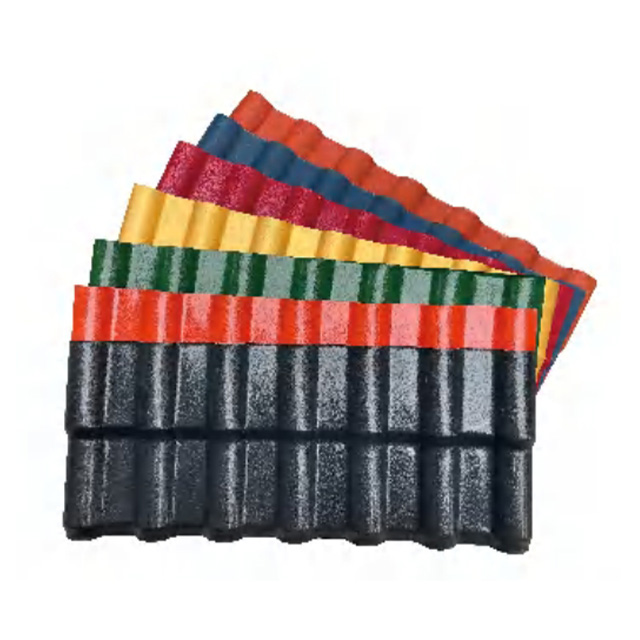
Matte finishes utilize a micro-textured surface geometry that fundamentally changes how light interacts with the roof. Instead of bouncing light in a single direction, the textured surface causes diffuse reflection. Light scatters in multiple directions, effectively eliminating harsh glare. This characteristic ensures immediate compliance with strict local zoning laws and HOA guidelines regarding exterior reflectivity. You can specify matte tiles in dense urban environments without worrying about light pollution complaints from adjacent buildings.
The textured profile also excels at wear masking. Micro-abrasions, settling dust, and hard water spots easily blend into the non-reflective surface. While a scratch on a glossy tile catches the light and draws the eye, the same scratch on a matte tile remains largely invisible. This makes matte finishes highly forgiving over a multi-decade lifespan.
Additionally, the textured profile drastically improves installation traction. Roofing crews benefit from a higher coefficient of friction, which provides better grip for soft-soled roofing boots. This improves on-site safety and accelerates installation speed, particularly on steeper roof pitches exceeding a 6:12 slope. Crews spend less time setting up complex walk boards and more time fastening panels.
Matte ASA roof tiles are the preferred specification for modern, minimalist, or rustic architectural designs. The flat finish accurately mimics the subdued appearance of natural slate, concrete tiles, or weathered cedar shakes. It provides a contemporary, understated elegance that complements natural stone, timber siding, and modern composite claddings.
These tiles are highly effective in high-UV, arid climates. In desert or drought-prone regions, the lack of frequent rainfall renders the self-cleaning properties of glossy tiles useless. Instead, the priority shifts to glare reduction and maintaining a consistent visual appearance despite heavy dust accumulation. Matte finishes handle these arid conditions exceptionally well, as the diffuse surface prevents the roof from looking dirty or chalky between rare rainstorms.
The primary drawback of a matte finish is debris retention. The same micro-texture that provides foot traction also holds onto fine dust, pollen, and organic matter. In heavily wooded areas, sap and decaying leaves can stick to the textured surface more readily than a smooth one. If left unchecked, this organic buildup can promote moss or algae growth in damp, shaded areas of the roof. You may need to schedule manual washing or low-pressure rinsing to maintain the roof's original color depth and prevent organic degradation.
Thermal absorption also requires careful consideration. Because matte surfaces scatter light rather than reflecting it directly, they typically exhibit a slightly lower initial solar reflectance compared to their high-gloss counterparts. While the ASA material still resists UV degradation perfectly, the slightly higher heat absorption requires careful evaluation of the underlying roof insulation. You must ensure the attic ventilation systems are adequately sized to handle the slight increase in thermal transfer, maintaining optimal energy efficiency for the building envelope.
Evaluating color retention requires understanding how the human eye perceives fading. Glossy finishes often appear to fade faster than matte finishes, but this is usually an optical illusion caused by gloss loss, not actual pigment degradation. As a glossy surface weathers and develops micro-abrasions from wind-blown sand or heavy rain, it scatters light differently. This makes the color appear lighter or chalky, even though the underlying ASA pigment remains intact. Matte finishes, already possessing a diffuse surface, maintain a much more consistent visual appearance over decades of UV exposure.
When specifying materials for large-scale commercial or residential developments, you may require specific architectural hues to match corporate branding or regional design codes. Securing custom roof tile colors is entirely feasible in both matte and glossy finishes. Manufacturers formulate the ASA resin with specialized inorganic pigments to match custom RAL color codes. However, custom runs typically require minimum order quantities and extended lead times. The manufacturer must conduct color matching and accelerated weathering validation before moving to mass production.
The Solar Reflectance Index (SRI) measures a roof's ability to reject solar heat, combining both reflectance and thermal emittance into a single value. High gloss finishes generally achieve higher initial SRI ratings due to their specular reflection. They bounce a larger percentage of solar energy directly back into the atmosphere, preventing it from converting into heat.
Matte finishes, relying on diffuse reflection, often have slightly lower initial SRI values. However, the gap between the two finishes narrows over time. As glossy roofs accumulate dirt or lose their initial sheen through environmental abrasion, their SRI drops. Matte roofs tend to offer a more stable, albeit slightly lower, SRI over their lifespan. Your finish selection directly influences qualification for green building certifications, such as LEED, or eligibility for local energy efficiency rebates. Always consult the manufacturer's certified SRI testing data for the specific color and finish combination you intend to specify.
Surface finish dictates how materials must be handled from the factory floor to the roof deck. High gloss tiles require extensive protection during transit. Manufacturers apply protective peel-off films to the capstock to prevent friction scuffs during shipping, unloading, and staging. Roofing crews must manually remove this film during installation, adding labor time to the project. Failure to remove the film promptly can cause the adhesive to bake into the tile under direct sunlight, creating a massive cleanup problem.
Matte tiles do not typically require peel-off films, streamlining the unpacking process. However, they still demand careful handling. Improper stacking or dragging matte tiles across one another can cause localized polishing or burnishing. This friction smooths out the micro-texture, leaving permanent shiny streaks that ruin the uniform matte appearance. Crews must lift and place the tiles deliberately, rather than sliding them into position.
Lifecycle maintenance costs vary based on the finish and the surrounding environment. Glossy roofs in rainy climates are largely maintenance-free. The rain does the work. In dry climates, they may require occasional rinsing to remove dust that dulls the shine. Matte roofs in wooded areas require more frequent attention. Organic buildup trapped in the texture can promote moss or algae growth if left unchecked.
When cleaning either finish, strict protocols apply. Never use high-pressure power washing. High-pressure streams can physically strip the ASA layer, exposing the PVC core to rapid UV degradation. Use only low-pressure soft washing techniques with manufacturer-approved, non-abrasive cleaning agents. Harsh solvents or stiff-bristled brushes will permanently scratch glossy finishes and alter the texture of matte finishes.
For large-scale installations, finish consistency is critical. Glossy finishes are highly unforgiving regarding batch-to-batch variations. Even a slight difference in the cooling process can alter the gloss level, making different production runs visually obvious when installed side-by-side on a large commercial roof plane. Matte finishes offer greater scalability. The diffuse texture naturally masks minor batch variations, making it much easier to achieve a uniform appearance across expansive residential subdivisions or sprawling commercial facilities.
| Performance Metric | Matte Finish | High Gloss Finish |
|---|---|---|
| Light Reflection Profile | Diffuse (Scatters light) | Specular (Direct bounce) |
| Glare Reduction | Excellent (HOA compliant) | Poor (High glare risk) |
| Installation Traction | High (Safer on steep pitches) | Low (Requires strict fall protection) |
| Self-Cleaning Efficiency | Moderate (Can trap fine dust) | Excellent (Rain washes debris easily) |
| Visual Wear Masking | High (Hides micro-scratches) | Low (Shows abrasions clearly) |
| Initial SRI Rating | Moderate to High | Very High |
| Transit Protection Needed | Minimal (Standard packaging) | High (Requires peel-off film) |
| Batch Consistency | Highly forgiving | Requires strict matching |
You cannot verify the longevity of a surface finish by simply looking at a sample in a showroom. You must vet the ASA roof tile manufacturer based on their internal testing and quality assurance data. Request comprehensive roof tile surface quality inspection reports before finalizing any purchase order or writing the final specification.
Specific tests separate premium materials from substandard alternatives. Demand Xenon arc weathering test results, typically following ISO 4892-2 standards. This accelerated testing simulates years of intense UV exposure and measures the resulting Delta E color shift. For glossy tiles, request gloss meter readings following ASTM D523 standards to verify the consistency of the sheen across multiple production batches. Finally, review cross-hatch adhesion testing, following ASTM D3359, to ensure the ASA capstock will not delaminate from the PVC core under severe thermal stress.
The physical thickness of the ASA layer dictates the lifespan of the finish. A standard, high-quality ASA capstock must measure between 0.15mm and 0.2mm in thickness. If a manufacturer attempts to cut costs by thinning the ASA layer below 0.1mm, the roof will suffer premature color fading, chalking, and eventual exposure of the UV-sensitive PVC core.
A finish is only as good as the thickness and uniformity of this protective layer. Request cross-sectional microscopic imagery from the manufacturer's quality control department. This documentation verifies the exact thickness of the co-extruded capstock across the entire profile of the tile, ensuring no thin spots exist at the peaks or valleys of the corrugation.
Always read the fine print on color-fade warranties. Manufacturers treat matte and glossy finishes differently in their warranty language. A warranty may cover structural integrity for 30 years but only guarantee colorfastness, meaning staying within a specific Delta E range, for 10 to 15 years. Furthermore, warranties often exclude gloss retention entirely. A glossy tile that dulls over time due to environmental abrasion is rarely covered, provided the actual pigment has not failed.
Ensure the manufacturer complies with international building codes. Look for ISO 9001 certification for their manufacturing facilities, CE marking for European market compliance, and relevant ASTM certifications for fire resistance and wind uplift. Verified compliance guarantees that the surface finish is backed by rigorous, standardized production controls rather than just marketing claims.
The choice between matte and glossy ASA roof tiles requires a strategic evaluation of environmental loads, maintenance capabilities, safety requirements, and aesthetic goals. Ignoring these technical realities leads to compromised roof performance and unexpected lifecycle costs. To ensure you specify the correct finish for your next project, execute the following steps:
Order physical samples of both finishes and evaluate them on-site under local lighting conditions to assess actual glare and color depth.
Review local municipal zoning regulations and HOA guidelines to confirm high-gloss finishes are legally permitted in your specific build area.
Request accelerated weathering test data and cross-sectional thickness reports from the manufacturer to validate the integrity of the ASA capstock.
Consult with your roofing contractor to plan staging logistics, specifically addressing fall protection for glossy tiles or burnish-prevention for matte tiles.
A: No, the underlying ASA material dictates colorfastness. However, glossy tiles may appear to "fade" if they lose their gloss due to micro-abrasions, whereas matte tiles maintain a more consistent appearance over time.
A: Yes, a reputable ASA roof tile manufacturer can produce custom colors in both matte and gloss finishes, though minimum order quantities (MOQs) and lead times will apply.
A: Matte finishes have a micro-texture that can trap fine dust more easily than the smooth surface of high gloss tiles, potentially requiring more frequent rinsing in dry, dusty climates.
A: Yes, high gloss finishes have a lower coefficient of friction, making them significantly more slippery, especially when wet. Contractors must use proper fall protection and roof jacks, whereas matte finishes offer slightly better foot traction.
A: Generally, the cost is identical or highly comparable, as the difference lies in the extrusion cooling and tooling process rather than raw material costs. Price variations are usually tied to color complexity or tile profile.
A: Request a comprehensive roof tile surface quality inspection report from the manufacturer, focusing on ASA layer thickness, accelerated UV weathering results, and standardized gloss retention metrics.


