
close
Choose Your Site
Global
Social Media
Author: Site Editor Publish Time: 2026-01-12 Origin: Site


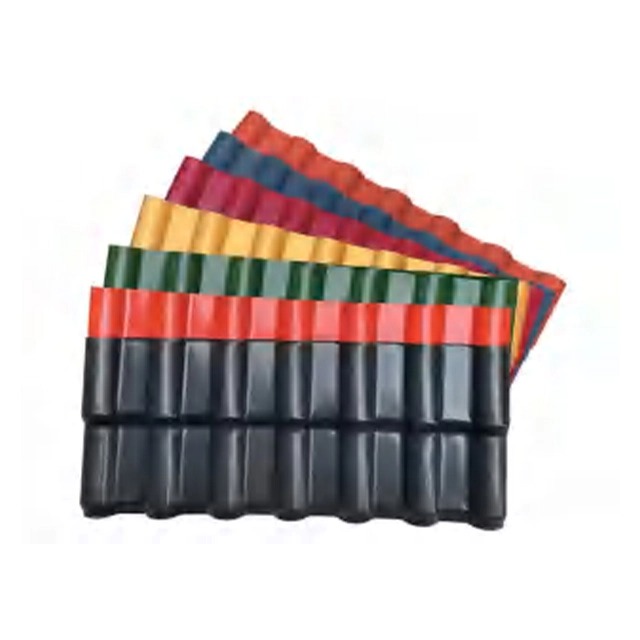
A “50-year roof” can fail fast. It often comes down to heat, details, and install quality.
In this guide, we answer: How long does synthetic roofing last? We break down lifespan by product type, explain what shortens it, and show how to read warranties and extend service life.
Fiberglass asphalt shingles sit at the entry end of synthetic roofing options. Many roofs reach about 20–30 years when the install is clean and ventilated. High attic heat and weak sealing can shorten that window quickly. If you see early curling, check ventilation before blaming the shingle. They fit budget replacements and large housing portfolios, yet quality varies by line.
Architectural composites use thicker mats and deeper profiles than basic shingles. That mass helps resist wind flutter and rapid thermal cycling. Many brands position them at 30–50 years in ideal conditions. Real projects often land closer to the middle of that range. Correct starter courses and nail depth matter, since small errors can lift tabs. When tabs lift, moisture enters and aging accelerates.
Synthetic slate is designed to mimic slate while staying much lighter. Manufacturers often position it around 40–50+ years (needs verification). It can resist impact cracks better than natural slate in hail events. Still, its lifespan depends on the full roof system below. Underlayment, valleys, and flashings manage water before it hits decking. If those parts fail, leaks start even when slates look fine.
Synthetic shake targets the cedar look without rot and insect damage. In many markets, it lands in the 30–50 year class for planning. It performs well in wet climates where wood decays fast. Shake texture can trap debris in valleys and behind chimneys. Crews should keep valleys clear and cut lines straight. When debris sits, moisture lingers and sealants age faster.
Synthetic tile mimics clay or concrete shapes while staying far lighter. Many products target 50 years or more in marketing claims. The weight advantage can avoid structural upgrades on older buildings. Many lines also advertise high impact ratings in hail regions (needs verification). Tile systems rely on secure edges and matched accessories. If edges lift during gusts, wind-driven rain can push under courses. When details stay tight, aging tends to be slow and predictable.
A “50-year” label usually refers to a limited warranty term. It does not guarantee a leak-free roof for fifty years. Many warranties become prorated after an early full-coverage period. Many also exclude storm damage and poor ventilation. Field life varies by heat control and upkeep on each building. Treat the label as a prompt to ask questions, not a promise.
Table 1 — Synthetic roofing lifespan ranges (quick planning)
Type | Planning range | Helps it last longer | Cuts life early |
Fiberglass asphalt | 20–30 years | Ventilation; correct nails | Heat; granule loss |
Architectural composite | 30–50 years | Flat deck; strong seal | Lifted tabs; bad starter |
Synthetic slate | 40–50+ years | Good flashings; drainage | Valley errors; weak membrane |
Synthetic shake | 30–50 years | Clear valleys; inspections | Debris; edge lift |
Synthetic tile | 50+ years | Secure edges; matched parts | Uplift; loose ridges |
Tip: Keep product names, batch codes, and photos in one warranty folder.
Not all synthetic roofing uses the same formulation or reinforcement. Higher-grade products resist UV breakdown and stay flexible longer. Thickness and backing layers also change how it handles impacts. If the surface turns brittle, it can crack under hail or foot traffic. For B2B buyers, the technical sheet is your first filter. Look for UV claims, impact class, and temperature limits.
Installation quality explains many lifespan gaps between similar roofs. A premium product can still fail on uneven decking and weak flashing. Fasteners must hit the right zone at the right depth. Overdriven nails cut mats, and underdriven nails lift courses. Valleys, sidewalls, chimneys, and vents need correct layering. One reversed lap can send water into the deck.
Heat can quietly shorten roof life in many climates. Poor airflow raises attic temperature and bakes the underside of the roof. Over time, it can dry binders and soften adhesives. It can also warp edges and weaken self-sealing strips. Balanced intake and exhaust reduces heat and moisture together. If upgrades are hard, choose more heat-tolerant systems.
Climate decides which stress dominates the roof’s life. Intense sun drives UV aging and daily thermal cycling. High wind tests sealing, edge restraint, and fastener schedules. Hail tests impact resistance and surface toughness in minutes. Freeze-thaw cycles punish trapped moisture under laps and flashings. Salt air can corrode fasteners and metal details near coasts.
Note: Most early failures start at details, not field surfaces.
A material warranty covers defects in the manufactured product. It usually comes from the manufacturer, not the installer. A workmanship warranty covers installation errors and labor. It usually comes from the contractor or a certified program. For synthetic roofing, you want both forms of coverage. If only the product is covered, labor can still be your cost. Ask who pays tear-off, disposal, and interior damage.
Many warranties cover full value for an early period. After that period, they may prorate reimbursement year by year. Transfer rules also affect resale value for owners. Some warranties allow one transfer, and some allow none. Exclusions often explain most claim denials in practice. Poor ventilation and unapproved accessories are common exclusions. Reading exclusions early saves difficult conversations during storm season.
Claims often require proof of compliant installation. Save product data sheets, invoices, and accessory lists. Take photos of underlayment laps, flashings, and fastener patterns. Keep notes on ventilation layout and intake area. Also record crew names and dates on install days. Clean records speed approvals and protect your reputation. They also help you train crews using real examples.
Table 2 — Warranty checks for synthetic roofing specs
Check | Why it matters | What to look for |
Scope | Defines covered issues | Material plus labor options |
Proration | Changes payout over time | Longer non-prorated window |
Transfers | Impacts resale value | One or more transfers |
Ventilation | Common claim failure | Clear intake targets |
Accessories | Controls leak risk | Approved parts list |
Tip: Use a closeout checklist before you hand over the warranty.
A simple inspection routine prevents most expensive failures. Many teams inspect yearly and after major storms. Start at ridges, hips, and perimeter edges for loosened pieces. Then check valleys for debris dams and water staining. Move next to flashings around vents and chimneys. These parts move, crack, and dry out faster than field areas. Early fixes keep repairs small and predictable.
Cleaning can help, yet aggressive methods can shorten roof life. High pressure can lift edges and strip protective granules. Strong chemicals can discolor surfaces and weaken seals. Soft rinse methods are safer for most synthetic roofing products. Always follow the manufacturer cleaning guide first. If none exists, use mild soap and low pressure.
Small defects often start at wind edges and penetrations. Lifted tabs can often be re-sealed using approved products. Punctures from branches need patching before the next storm. Loose ridge caps need clips or fasteners, not guesswork. Use compatible sealants, not random tubes from the truck. A small product-specific repair kit keeps service consistent.
Many roofs “fail” because underlayment and flashings age first. Synthetic roofing can still look good while membranes crack below. Flashings can corrode or split long before the surface wears out. In practice, these hidden parts often set replacement timing. Invest in details early using durable membranes and corrosion-resistant metals. When details last, the surface layer can reach its full potential.
Note: Most leak calls trace back to flashing problems, not shingle wear.
Basic asphalt shingles are often the shortest-life mainstream roof. Many projects plan for 15–30 years, depending on grade and climate. Synthetic roofing can offer longer cycles in premium classes. The real value often comes from fewer replacements over time. Total cost includes labor, disposal, and disruption for occupants. Fewer replacement cycles reduce these hidden costs significantly.
Metal roofing often lasts a long time, sometimes 40–70 years (needs verification). It sheds snow well on steeper slopes and resists rot. Some owners dislike rain noise and denting on thin panels. Coastal sites also need correct coatings to prevent corrosion. Synthetic roofing can feel quieter during heavy rain on many buildings. It can also avoid corrosion concerns in salty air.
Natural slate and clay tile can last for generations (needs verification). They can also be heavy and brittle during handling. Many buildings need structural upgrades before slate or tile. Those upgrades can exceed the material cost quickly. Synthetic slate and synthetic tile reduce weight and handling risk. They can deliver a similar look from the street for many designs.
Synthetic roofing often wins when weight limits are strict. It is also strong for style upgrades on older frames. Hail zones often favor impact-rated composites and tiles. They can reduce breakage claims and repair labor (needs verification). Synthetic products can also offer tighter color control than quarried materials. For distributors, this supports stocking and forecasting. For contractors, it supports predictable install speed.
Start by watching for changes in shape and surface texture. Curling edges can signal heat stress or weak sealing. Cracks and splits often appear after impacts and repeated flexing. Heavy granule loss can expose the base layer to sunlight. Fading alone does not always mean failure. Warping on polymer tiles is more serious and needs inspection.
Most leaks start at details, not wide field areas. Valleys collect heavy flow during storms and ice events. Pipe boots crack as they age and move. Chimney flashings can separate as masonry shifts over time. When leaks appear, trace uphill from the stain. Look for lifted laps and broken seals near edges. Fixing a detail early can avoid replacing a whole slope.
Repair makes sense when defects are isolated and the deck stays sound. Replacement makes sense when defects spread across many areas. If underlayment is failing, surface repairs rarely last. If flashings are corroded everywhere, the system is aging. If repair costs exceed one third of replacement, plan a full job. If leaks repeat each season, move the schedule forward.
Before you buy, confirm ratings required for the project. Ask for impact class, wind performance, and fire classification. Confirm lead times for accessories, not only field pieces. Missing caps and flashings can stop a roof mid-job. Also confirm warranty tiers and installer certification rules. Some coverage levels require certified crews and inspections. A short checklist keeps quotes consistent across sites.
Synthetic roofing can last from about 20 to 50+ years. The real result depends on product class, climate stress, and install quality. Ventilation, flashings, and small repairs often decide the upper range.
For predictable performance, Guangdong Yangming Photovoltaic Technology Co., Ltd. supports B2B buyers using spec-driven synthetic roofing options. They help match products to wind, hail, and heat needs, so you can cut callbacks and extend service life.
A: Most synthetic roofing falls in a 20–50+ year window, depending on the product type and site conditions.
A: Heat buildup, poor ventilation, and weak flashing details are common causes. Synthetic roofing can also age faster after repeated wind lift or hail impacts.
A: Often yes, especially for premium composites, synthetic slate, and synthetic tile. Synthetic roofing can offer longer cycles and fewer replacements when installed well.
A: Not always. Warranties can be prorated and may exclude ventilation issues or storm damage, so synthetic roofing life may differ from the label.
A: If leaks start at flashings or a few areas, repair may work. If problems repeat or underlayment is failing, synthetic roofing replacement is usually smarter.


