
close
Choose Your Site
Global
Social Media
Author: Site Editor Publish Time: 2026-01-05 Origin: Site


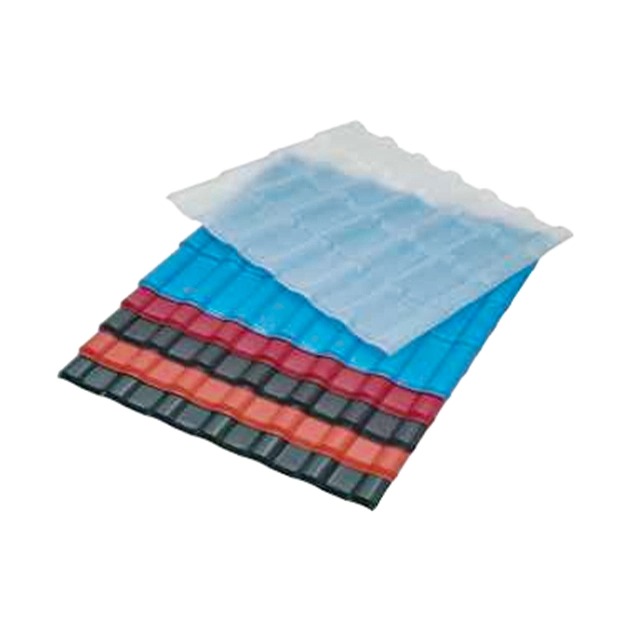
Ever seen a clear roof sag after one season? That problem often starts with the wrong thickness.
In this guide, we answer: How thick should a transparent roof sheet be? We break down transparent roof sheet thickness by project type, span, and local loads. You’ll learn quick starting picks, common failure signs, and how to confirm specs using span tables.
Most buyers want a quick answer, so we start with common use cases. These ranges work as starting points, not final engineering values. Always confirm using the manufacturer span table for your exact sheet. If your site has unusual wind or snow, add more margin.
Small sheds usually have short purlin spacing and light exposure. In those cases, a 4–6mm solid polycarbonate transparent roof sheet can perform well. It stays bright, it installs easily, and it tolerates minor bumps. The main downside is flex, so it can sag between supports.
If your framing feels “springy,” do not rely on thickness alone. Add a mid purlin, reduce the span, and keep the overhang modest. Thin sheets also drum in heavy rain, especially on flat slopes. If noise matters, step up thickness or choose a multiwall option.
A greenhouse roof needs strong light during the day and stable warmth at night. Many hobby builds work well using 6mm material, especially in mild climates. In cooler zones, 8–10mm multiwall polycarbonate often feels more comfortable. The trapped air slows heat loss and softens cold drafts near the roof.
Condensation is the common surprise in greenhouse projects. Warm, moist air hits a cold panel and forms droplets. Multiwall panels can reduce cold spots, but open flutes collect dust and algae. Seal edges correctly and keep the UV side facing the sun.
Note: Greenhouse comfort depends on vents and framing, not only panel thickness.
For patios, comfort matters more than maximum clarity. A 10mm multiwall transparent roof sheet is a popular balance of cost and rigidity. It reduces glare, it cuts rain noise, and it stays stable in summer heat. It also spans better than thin solid sheets on typical pergola frames.
Choose 16mm when spans are longer or winds are stronger. The extra depth adds stiffness and improves insulation slightly. Clear panels can still create harsh sunlight, so diffusion matters. Opal or bronze options soften shadows and make seating areas usable longer.
Carports have open sides, so wind can lift panels from below. This makes fastening and edge restraint as important as thickness. Many carports start at 10–16mm multiwall panels, or strong profiled sheets per span charts. If your supports are far apart, thicker panels help, but fixings still carry uplift.
If you are choosing corrugated polycarbonate, the profile adds strength efficiently. Even thinner gauges can span well, because the ribs act like beams. Still, do not over-tighten screws, because heat movement is constant. Use the right washers and allow thermal expansion.
A sunroom is living space, so insulation becomes a key driver. Many enclosed roofs use 16–35mm multiwall polycarbonate for comfort and durability. Thicker panels reduce winter chill and lower rain noise inside the room. They also make the space feel less “glassy” and more settled.
Thicker systems need matching glazing bars and careful detailing. Improper caps or tapes can trap moisture inside the flutes. Plan the full system before you order panels, including trims and seals. A well-designed roof lasts longer and needs fewer callbacks.
High exposure sites need conservative choices and clearer documentation. In hail regions, impact resistance often pushes buyers toward polycarbonate and thicker gauges. In high wind regions, uplift forces can govern the entire design. You may need closer support spacing, stronger bars, and more fixings.
Codes may require local load ratings and specific product approvals. For public areas, do not assume a transparent roof sheet is walkable. Create safe access paths and follow the supplier’s maintenance guidance. When in doubt, use an engineer for load confirmation.
Tip: For B2B projects, record spans, loads, and product codes in your handover pack.
Table 1 — Quick thickness picks by project (starting points)
Project type | Typical sheet type | Common thickness range | Main reason it works | Main risk if too thin |
Small shed / lean-to | Solid polycarbonate | 4–6mm | Easy handling and high clarity | Sagging and rain noise |
Greenhouse roof | Solid or multiwall | 6–10mm | Light plus mild insulation | Condensation and dirt in flutes |
Pergola / patio cover | Multiwall polycarbonate | 10–16mm | Comfort and stiffness balance | Glare and heat if too clear |
Carport / canopy | Multiwall or profiled | 10–16mm+ | Wind resistance and span control | Uplift and fastener fatigue |
Sunroom / conservatory | Multiwall polycarbonate | 16–35mm+ | Insulation and interior comfort | Cost and detailing mistakes |
High exposure / commercial | Engineered systems | 16–35mm+ | Impact margin and compliance | Wrong spec for local code |
Thickness selection becomes easy once you measure the right things. Span, loads, and sheet geometry define deflection and safety. When one factor changes, thickness recommendations also change. This section shows a practical method you can reuse.
Many people measure roof length instead of support spacing. The critical span is the gap between purlins or rafters. Your transparent roof sheet must bridge that gap without excessive deflection. Measure center-to-center spacing, then note any overhang past the last support.
Direction matters for multiwall and profiled sheets. Multiwall panels must run flutes along the slope for drainage and strength. Profiled sheets must run ribs in the load-bearing direction. If you rotate them, stiffness drops and sag increases quickly.
Snow loads push panels down and can create long-term creep. Wind uplift pulls panels up and stresses fixings and edges. Hail creates sharp impacts, so material toughness becomes critical. Each load type points to a different “first fix” strategy.
In heavy snow areas, reduce support spacing before increasing thickness. In windy areas, improve edge restraint and fixing patterns early. In hail zones, choose impact-rated sheets and consider thicker options. Local design values vary widely, so verify them for each site (needs verification).
You can usually solve deflection using thicker panels or closer framing. If framing is already built, thicker panels avoid rework and delays. If you are still designing, adding a purlin line can be cheaper. Extra supports also reduce vibration and rain noise.
Think in terms of total system cost, not panel price. Labor, access, and callbacks often cost more than materials. When crews work faster using thicker panels, the project can still save money. Use supplier span tables to compare options in minutes.
Table 2 — Loads and spacing: practical first moves
Situation | What usually fails first | Best first fix | When to increase thickness |
Wide purlin spacing | Sag and water ponding | Add one more purlin | When framing cannot change |
High wind exposure | Uplift and fastener pull-out | Stronger fixings and edge restraint | When flutter remains after upgrades |
Heavy snow region | Bending and long-term creep | Reduce span and raise slope | When deflection still exceeds limits |
Frequent hail storms | Cracking from impact | Impact-rated material choice | When risk remains unacceptable |
Hot climate patio | Overheating and glare | Diffused tint and ventilation | When insulation is also needed |
Two sheets can share thickness yet behave very differently. Material stiffness, profile shape, and internal structure all matter. This is why comparing only millimeters can mislead buyers. Use these comparisons to avoid wrong assumptions.
Solid polycarbonate looks closest to glass and stays easy to clean. It is also very tough against impact and debris. However, it offers limited insulation, so indoor comfort can suffer. For longer spans, it usually needs thicker gauges or tighter framing.
Multiwall polycarbonate traps air inside cells, which improves thermal performance. It also feels quieter under rain and less harsh in sunlight. The tradeoff is optical purity, since ribs can show at some angles. Edge sealing is essential, because open flutes attract dust and algae.
Profiled sheets gain stiffness from shape, not only thickness. Corrugations create a deeper section, so they resist bending better. This is why some profiled transparent roof sheet products use 0.8–2mm gauges. The profile does the work, so spans can still be respectable.
The main risk is poor fastening and heat movement. Screws must use sealing washers and correct spacing patterns. Over-tightening can oval holes and start cracks near fixings. Leave room for thermal expansion, especially on long runs under strong sun.
Acrylic offers excellent clarity and a hard surface feel. It can resist light scratches better than many plastics. Yet it is more brittle, so hail and falling branches can crack it. If your area sees hail, treat acrylic as higher risk.
Polycarbonate is the common choice for impact resistance and safer failure modes. It can still scratch, so cleaning method matters for long-term looks. PVC is popular for budget builds, often in profiled forms. UV stability varies by grade, so brand choice matters (needs verification).
Note: A thicker panel still fails if fixings and expansion gaps are incorrect.
Table 3 — Material snapshot for transparent roof sheet buyers
Material | Best strengths | Common weak points | Typical thickness approach |
Solid polycarbonate | Impact resistance and clear look | Scratching and higher heat gain | 4–6mm small roofs, thicker for spans |
Multiwall polycarbonate | Insulation and stiffness per weight | Sealing details and rib visibility | 10–16mm patios, 16–35mm sunrooms |
Acrylic | High clarity and surface hardness | Brittle under impact events | Use thicker or avoid hail zones |
PVC (clear or tinted) | Low cost and easy handling | UV aging on low grades | Follow profile span tables closely |
Comfort decides whether people enjoy the space daily. It also shapes tenant satisfaction in commercial settings. Thickness interacts with tint, ventilation, and roof shape. Use this section to match performance to real use.
Multiwall panels trap air, so they slow heat transfer. This helps enclosed spaces keep warmth during cold nights. It also reduces radiant heat under strong summer sun. The benefit grows when the space has walls and HVAC.
For open patios, insulation is less dramatic, but it still helps. A thicker multiwall transparent roof sheet can reduce the “hot head” sensation. Pair it with airflow and shade for best results. If you plan heaters or fans, comfort upgrades become more noticeable.
Light quality matters as much as brightness for comfortable use. Clear sheets create sharp shadows and intense glare at midday. They can also accelerate fading on furniture and displays. Diffused options spread light and reduce harsh contrast.
Opal panels soften light while keeping the space bright enough. Bronze or grey tints reduce brightness and solar gain further. In offices and cafés, diffusion often reduces complaints and improves screen use. It also supports a calmer look from below.
Noise often drives upgrades from thin to thicker panels. Thin solid sheets can drum loudly during heavy rain. Multiwall panels damp vibration because their structure absorbs energy. Thicker panels also flex less, so they rattle less in wind.
Fasteners influence noise as much as thickness in practice. Loose panels flutter, while over-tight panels crack over time. Use correct washers and avoid squeezing the sheet too hard. If noise is critical, test one bay before full installation.
Tip: For entrances and cafés, choose diffusion plus thicker multiwall to cut rain noise.
A great sheet can fail early due to poor detailing. Most issues come from thermal movement, wrong sealing, or wrong orientation. If you fix those basics, panels last much longer. This section highlights the common traps we see.
Plastic expands more than metal in daily sun cycles. If holes are tight, stress concentrates near screws and cracks form. Oversized holes allow movement and reduce long-term fatigue. Use proper washers and gaskets to keep water out.
Crews sometimes over-tighten thicker panels because they feel stronger. This can crush multiwall ribs and distort profiles over time. Aim for firm contact, not compression, and follow torque guidance. If you see dimpling around screws, back off immediately.
Many panels have a UV-protected face, and it must face the sun. If installed upside down, yellowing and embrittlement accelerate. Keep protective film on until the end, then peel it carefully. Mark the UV side clearly during staging.
Multiwall edges need correct tapes and caps to stay clean. Use solid tape on the upper edge to stop water entry. Use breather tape on the lower edge to let condensation drain. Then cap edges with proper profiles to prevent insect entry.
Codes can require local load ratings, fire properties, and approved fixing systems. Commercial jobs may also need documentation for inspections and warranties. Manufacturer span tables are the best practical tool for final thickness choice. They include sheet type, support spacing, and fastening method assumptions.
If you cannot find span tables, ask the supplier before purchase. For unusual spans or high-risk zones, consult an engineer for confirmation. This protects occupants and reduces liability for installers and owners. It also supports consistent quality across multiple sites.
The right transparent roof sheet thickness starts with your span, then support spacing, wind, snow, and hail. Material choice also matters, since solid and multiwall behave differently, so we should confirm specs using span tables and install for expansion.
For reliable results, Guangdong Yangming Photovoltaic Technology Co., Ltd. offers UV-protected polycarbonate options and practical B2B support. They help match thickness to real frames and climates, which reduces sag, noise, and early wear.
A: Many patios start at 10–16mm, then adjust for span and wind. A transparent roof sheet in this range often cuts sag and rain noise.
A: If supports are close, 4–6mm can work for a transparent roof sheet. If it flexes, add a purlin or go thicker.
A: It controls stiffness, long-term deflection, and comfort. It also affects how well the roof handles wind and snow.
A: Multiwall is usually quieter and more insulating. Solid looks clearer, but it often needs tighter framing.
A: Tight holes and over-tightening block thermal expansion. Use oversized holes, proper washers, and correct torque.


