
close
Choose Your Site
Global
Social Media


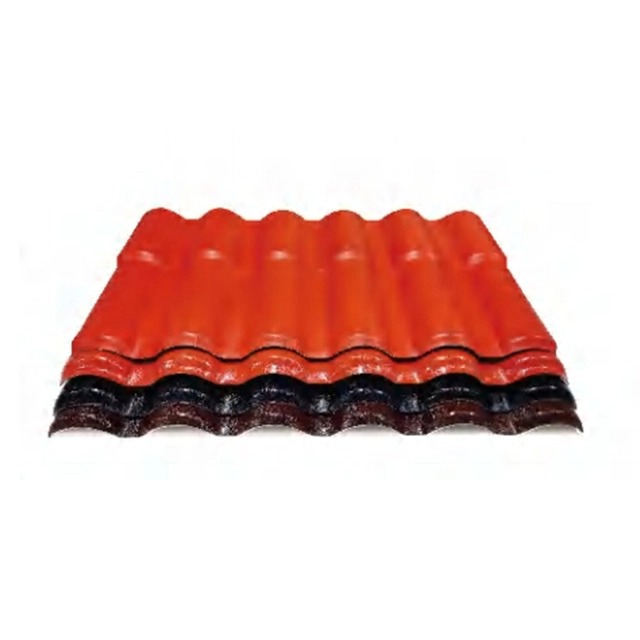
Ever notice how “Roman” tiles look classic, yet confusing to buy? A Roman roof tile can mean an ancient two-piece system, or a modern one-piece profile.
In this guide, we answer: What is a Roman roof tile? You’ll learn how it works, how it differs from Spanish or barrel tiles, and how to choose materials and specs for real projects.
In ancient roofs, a Roman roof tile was not one piece. It used two parts that worked as a pair. The flat pan tile was the tegula. The curved cover tile was the imbrex. Together, they formed repeating channels across the roof.
This pairing did more than look elegant. It created a clear path for runoff. It also protected the joint between two pans. When you hear “true Roman tile,” this two-piece method is the reference.
Water control is the whole point of the design. The tegula has raised side flanges. Those flanges guide water down the pan. The imbrex sits over the seam and blocks cross-flow.
Overlap makes the system more forgiving in storms. If a pan shifts slightly, the cover still guards the joint. This is why Roman roofs worked well in heavy rain. It is also why installers still copy the idea today.
Many tiles are curved, yet not all are Roman. The Roman concept uses a defined pan plus a defined cover. Some other styles use one continuous barrel shape. Others use interlocks that hide seams in a different way.
So “Roman” is about the water path and rhythm. You can often see straight pan runs, plus rounded caps. That pattern looks more structured than random barrel rolls.
You can spot a Roman roof tile from the street. Look for a repeating raised roll, spaced evenly. Look for visible seams between rolls. The surface often shows a “grid plus curves” feel.
Modern “double Roman” tiles change the look slightly. They combine rolls and channels in one piece. Yet they still keep the classic wave rhythm. The roof reads as Roman, even at a distance.
The design lasted because it matched simple physics. Gravity drives water down sloped planes. The pan creates the plane, and the cover shields the joint. That is a strong, low-tech solution.
It also offered easy service in the field. A cracked cover could be replaced without tearing the whole roof. Clay versions also handled sun and heat well. In many regions, they aged gracefully.
Today, “Roman roof tile” can mean two things. It may mean the classic pan-and-cover system. It may also mean a Roman-style profile made as one piece. Sellers often use the term for “Roman look,” not strict Roman construction.
That is not a problem if you know the label. Ask what profile and system it uses. Ask for matching accessories for ridges and hips. Clear specs help prevent surprises later.
Table 1 — Classic Roman parts and what modern catalogs call them
Classic term | What it is | What it does | Modern product naming |
Tegula | Flat pan tile, raised edges | Carries runoff down the roof | Pan tile, field tile |
Imbrex | Curved cover tile | Seals seams between pans | Cap tile, cover tile |
Ridge cover | Curved ridge element | Seals the top peak | Ridge tile, ridge roll |
Hip cover | Curved hip element | Seals external angles | Hip tile, hip cap |
Valley lining | Metal or formed channel | Collects runoff at valleys | Valley flashing, valley tray |
Note: “Roman” on a box can mean style, not a two-piece kit.
The closest match to ancient roofs is still available. It uses separate pans and covers across the field. Installers place pans first and cap seams next. This creates a rich surface texture.
This style suits heritage work and high-end villas. It also fits projects where authenticity matters. It does require more handling and more layout checks. Plan labor, waste, and breakage rates (needs verification).
Double Roman is the common “modern Roman” product. It is a single tile that forms two rolls. It locks into the next tile using side and head laps. This speeds installation and lowers piece count.
Interlocks also improve wind resistance at seams. They limit uplift where tiles meet. Still, fastening and underlayment stay critical. A good profile cannot fix poor detailing.
Spanish or mission tiles often use barrel shapes. They create a continuous roll, sometimes as a two-piece system. The look is softer and less gridded. Roman looks more regular and channeled.
Barrel tiles can shed water well on steeper pitches. Roman profiles often feel safer on moderate slopes. The best choice depends on climate and roof geometry. It also depends on the look your client expects.
Finish changes both style and maintenance. Smooth clay shows crisp lines and shadow. Textured concrete hides dust and small chips. Glazed ceramic resists staining and holds color longer.
Stone-coated steel gives a Roman look at low weight. It can offer strong impact resistance (needs verification). Yet it needs corrosion control on cuts. Ask suppliers for test reports when you specify it.
Table 2 — Roman roof tile profiles compared
Profile style | Typical pieces | Look on the roof | Common best-fit use |
Two-piece Roman (pan + cover) | 2 | Structured pans plus caps | Heritage, premium villas |
Double Roman interlocking | 1 | Two rolls per tile, regular waves | Residential, light commercial |
Spanish / mission barrel | 1–2 | Softer rolls, fewer straight seams | Mediterranean homes, steep slopes |
Plain flat tile | 1 | Minimal texture, sharp lines | Modern builds, low visual relief |
Tip: For distribution, label samples by profile and overlap style.
Clay is the traditional material people imagine. It handles heat well and keeps color naturally. Many clay roofs last for decades, often 50+ years (needs verification). It also resists fire and UV well.
Clay is heavy, and it can break in transport. So pallets, handling, and site storage matter. For older homes, confirm structure and battens. If you skip that step, cracks and sag can follow.
Concrete tiles are common in modern builds. They offer consistent shape and good price control. They also work well for large volumes. Many factories can match regional color blends.
Concrete tiles are also heavy on framing. It can absorb more water than clay, depending on finish (needs verification). Freeze-thaw areas may need stricter specs. Always check local ratings and coating systems.
Ceramic or glazed tiles often start as clay. They add a surface glaze that seals pores. This can reduce staining and algae growth. It also helps color stay bright over time.
Glaze can add cost, yet it lowers cleaning needs. It can also increase slip risk during install. Crews should use roof ladders and safe access. Treat it as a premium finish, not a shortcut.
Some projects need the Roman look at lower weight. Stone-coated steel can provide that. It uses a steel core plus a granule coating. It often offers strong hail resistance (needs verification).
PVC and composites can also mimic the curve. They are easy to cut and carry. Yet they can age faster in strong sun if grades are low. Ask for UV data and warranty terms in writing.
Table 3 — Material comparison for Roman roof tile specs
Material | Weight feel | Main strengths | Main limits | Typical buyers |
Clay | Heavy | Heritage look, long life | Breakage risk, higher labor | Premium residential, restoration |
Concrete | Heavy | Cost control, wide supply | Water absorption, coating wear | Tract housing, mixed-use |
Glazed ceramic | Heavy | Color stability, low staining | Higher cost, slippery surface | Resorts, luxury builds |
Stone-coated steel | Light | Low weight, impact resistance | Cut-edge care, noise control | Retrofits, hail zones |
PVC / composite | Light | Easy handling, corrosion resistance | UV aging varies by grade | Budget retrofits, coastal sheds |
Note: Weight drives structure checks more than any other factor.
Roman profiles excel in heavy rain. Their channels guide water quickly during heavy rain. They also shade parts of the roof surface. This can reduce peak heat gain slightly (needs verification).
They also suit coastal villas and resorts. Many clients want that Mediterranean identity. If salt air is harsh, choose finishes that resist corrosion. Good eave drainage helps in every region.
A Roman roof tile roof is usually heavier than shingles. Clay and concrete add serious dead load. Your rafters and trusses must handle it. Older homes may need framing reinforcement first.
Do not assume “it looks fine” means it is fine. Ask for structural notes and load limits. If none exist, involve an engineer. This protects owners, installers, and insurers.
Wind uplift is a common failure mode. Tiles can lift at edges and ridges. Proper clips and fasteners reduce that risk. Underlayment also serves as a second water plane.
Hail can crack brittle tiles, especially thin clay. Concrete can chip and expose aggregate. Metal alternatives often handle impact better. Freeze-thaw attacks porous materials after water entry.
Most tile roofs need less routine work than shingles. Still, they need inspections based on climate. Check ridges, valleys, and broken pieces after storms. Clear debris that holds trapped moisture.
Clay can last very long in mild climates. Concrete can last long if coatings stay intact. Lightweight systems can last well if cut edges stay protected. Good detailing often matters more than base material.
Pitch rules depend on the tile profile and local rain. Lower slopes need tighter laps and better underlayment. Higher slopes shed water faster during storms. Always follow the tile’s tested minimum pitch.
Underlayment is not optional on modern roofs. It provides a backup plane for wind-driven rain. Choose grades suited to heat and UV exposure. In hot climates, high-temp membranes often perform better.
Roman roofs look best when lines stay straight. Start from a square baseline at the eave. Keep headlap consistent across the field. Misalignment can cause leaks and ugly waves.
Water paths must stay clear across the field. Avoid dead spots near roof penetrations. Use correct flashings and diverters at every opening. Plan these details before tiles arrive.
Most leaks start at details, not field tiles. Ridges and hips need proper bedding or dry-fix systems. Valleys need clean channels and correct liners. Eaves need bird stops and drip edges.
Penetrations need boots and counter-flashings. Keep them high on the tile, not in valleys. Route water around them using diverters. These steps reduce call-backs and damage.
Cracks often come from foot traffic and bad storage. Use walk boards and avoid stepping on unsupported rolls. Leaks often come from poor flashing or low pitch misuse. Uplift often comes from missing clips and loose edges.
Prevention is simple, yet the rules stay strict. Store pallets flat and dry on site. Use the fastening schedule for your wind zone. Inspect ridges and edges before handover.
Start by naming the required look. Decide on true two-piece Roman or modern double Roman. Confirm roof pitch and site exposure early. Then choose material based on weight limits.
Next, check local code needs and test reports. Ask for wind ratings and fire class. Confirm accessory availability for hips and ridges. If parts are missing, delays are likely.
Climate drives performance needs more than style. Hail zones may favor tougher materials. Freeze-thaw zones may need low-absorption products. Coastal zones need coatings that resist salt air.
Style drives client satisfaction on visible roofs. Villas often want deeper shadows and warm blends. Modern homes may prefer cleaner profiles. Budget drives labor choices for installers too.
Ask for a technical data sheet and installation guide. Ask for minimum pitch rules and fastening schedules. Ask for warranty terms and what voids it. Ask for test reports if approvals are required.
Also ask about batch variation and lead times. Color can shift between lots and batches. Plan a mockup if visuals matter. It avoids disputes after delivery and install.
Samples should represent real batches, not showroom pieces. Order enough tiles for a small roof bay mockup. View it in sun and shade. Then approve it in writing for records.
Plan lead time for special colors and ridges. Small accessory shortages can stop a roof. Keep extra pieces for future repairs. It makes service work faster and cleaner.
Tip: For B2B sales, offer a one-page spec pack per profile.
A Roman roof tile began as a pan-and-cover system. Today it also means modern Roman-style profiles. We should judge it by drainage, pitch limits, and detailing.
For stable supply and clear specs, Guangdong Yangming Photovoltaic Technology Co., Ltd. supports B2B projects. They provide profile options, matching accessories, and practical guidance, so you can meet style goals and reduce install risk.
A: A Roman roof tile is a roofing style that uses channels and curved rolls to shed water. It can mean the ancient pan-and-cover system or a modern interlocking profile.
A: The name comes from the classic Roman pan-and-cover idea. Modern makers keep the same look and drainage concept, even when they use one-piece designs.
A: Not exactly. A Roman roof tile often looks more structured and channeled, while Spanish or barrel tiles look more rounded and continuous.
A: Material and labor drive cost most. Clay and glazed options often cost more, and complex hips, valleys, and ridges raise installation time for a Roman roof tile system.
A: Leaks often start at ridges, valleys, or low slopes, not field tiles. Follow pitch rules, use correct underlayment, and fasten per wind zone to protect a Roman roof tile roof.


