| Color: | |
|---|---|
| Availability: | |
| Quantity: | |


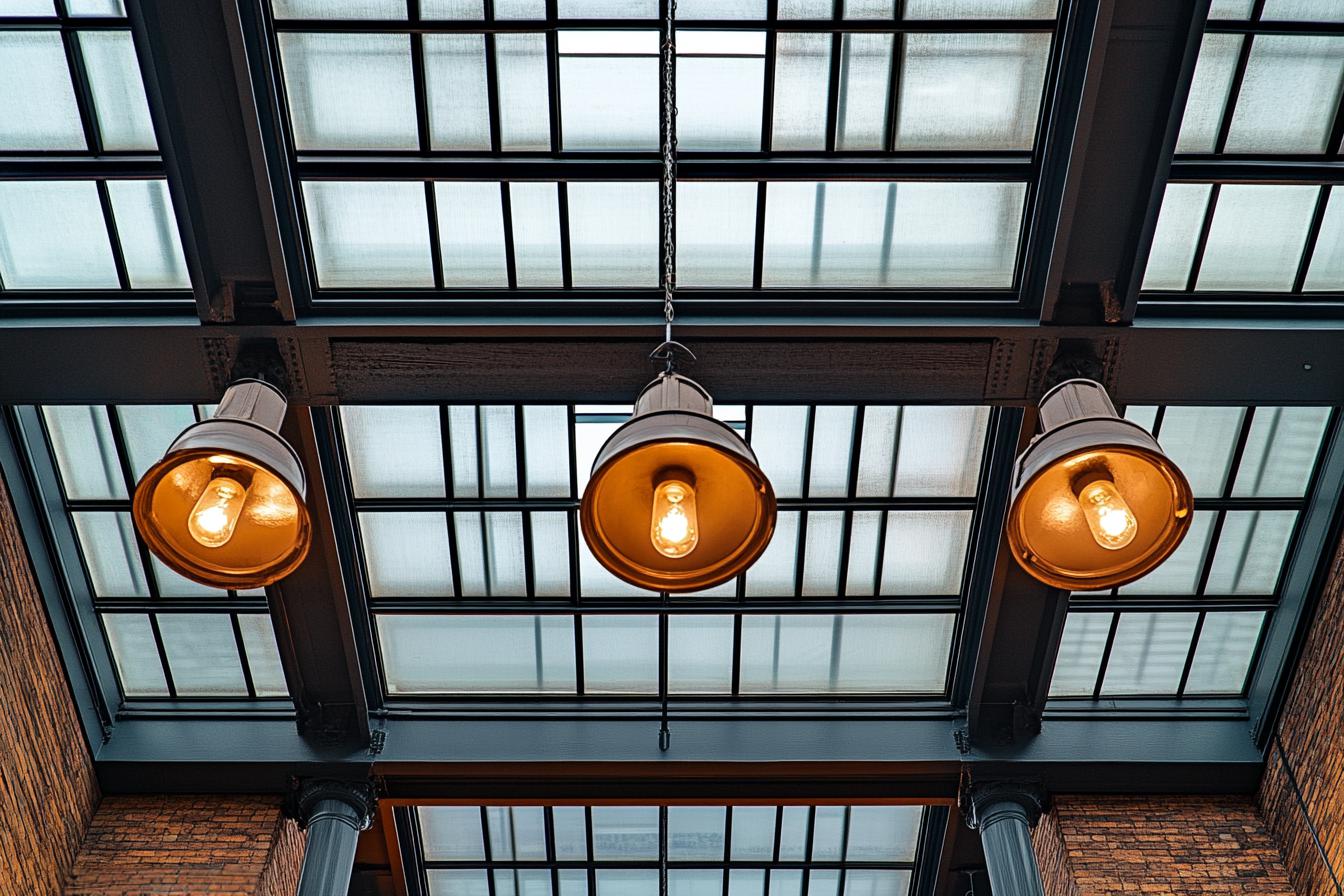
Under the support of unique processes,lighting glazed tile is made of polyvinyl chloride resin,supplemented with UV-resistant agents.It features a smooth and transparent surface,uniform and soft lighting,fire resistance,acid and alkali resistance,as well as resistance to organic solvents.It is suitable for lighting applications in various modern industrial plants,commercial markets,and greenhouses.
| Product parameters | |
Width 1050mm | |
Effective width | 960mm |
Wave height | 30mm |
Wave spacing | 160mm |
Thickness | 1.5mm,2.0mm |
Length | Customized according to actual demands,pitch length 219mm |
Purlin distance 660mm-880mm | |
Application range | Villas,farms,gardens,pavilions,road landscape renovations,municipal renovation projects,etc. |


Under the support of unique processes,lighting glazed tile is made of polyvinyl chloride resin,supplemented with UV-resistant agents.It features a smooth and transparent surface,uniform and soft lighting,fire resistance,acid and alkali resistance,as well as resistance to organic solvents.It is suitable for lighting applications in various modern industrial plants,commercial markets,and greenhouses.
| Product parameters | |
Width 1050mm | |
Effective width | 960mm |
Wave height | 30mm |
Wave spacing | 160mm |
Thickness | 1.5mm,2.0mm |
Length | Customized according to actual demands,pitch length 219mm |
Purlin distance 660mm-880mm | |
Application range | Villas,farms,gardens,pavilions,road landscape renovations,municipal renovation projects,etc. |
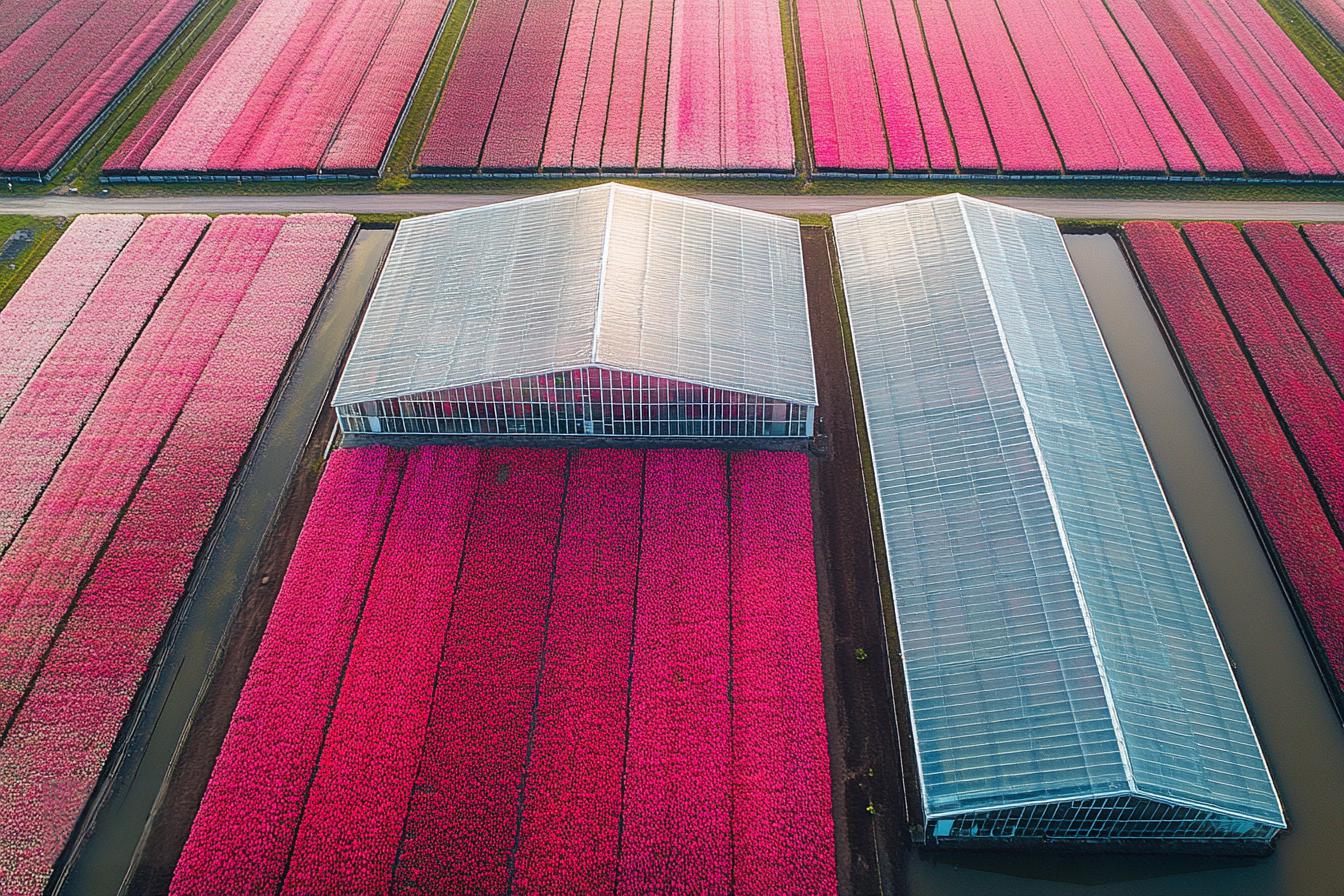
1. Agricultural greenhouse lighting system
Using translucent roof panels (such as ROYAL 1050), by adjusting the transmittance of 40-80% to optimize the plant growth spectrum, and simultaneously blocking UV-B band radiation, its diffuse reflection characteristics avoid local overheating, achieve a balance between natural light effect and light protection, and improve the yield and quality of greenhouse crops.
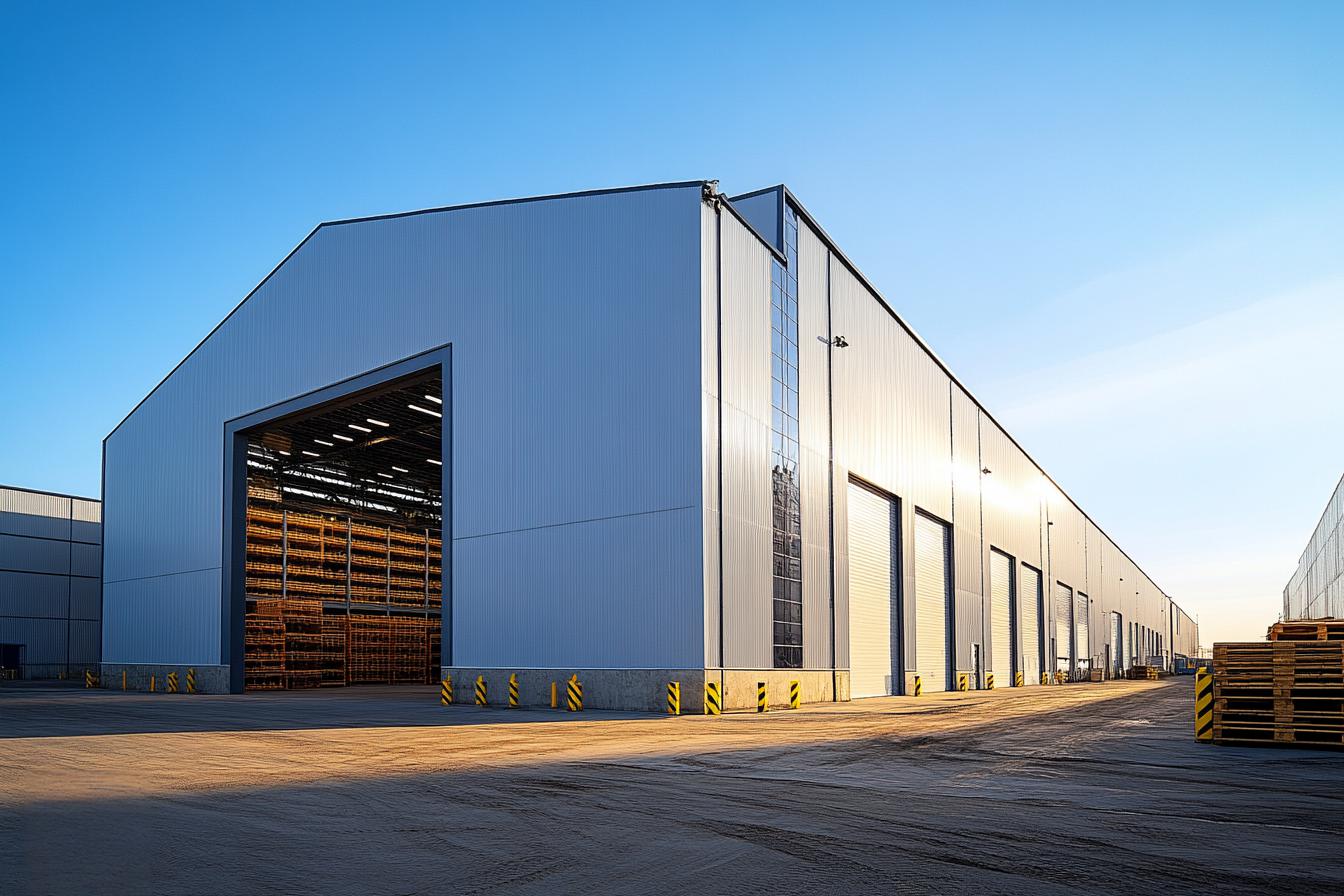
2. Corrosion-resistant roof of chemical plant
Synthetic resin roof panels use a perfluoropolymer surface to build a chemical barrier, tolerate pH1-12 acid-base environment, and cooperate with hollow structures. The thermal resistance R value reaches 1.2m²·K/W, and maintains dimensional stability under a temperature difference of -40℃ to 120℃, becoming the preferred solution for maintenance-free roofs in chemical areas.
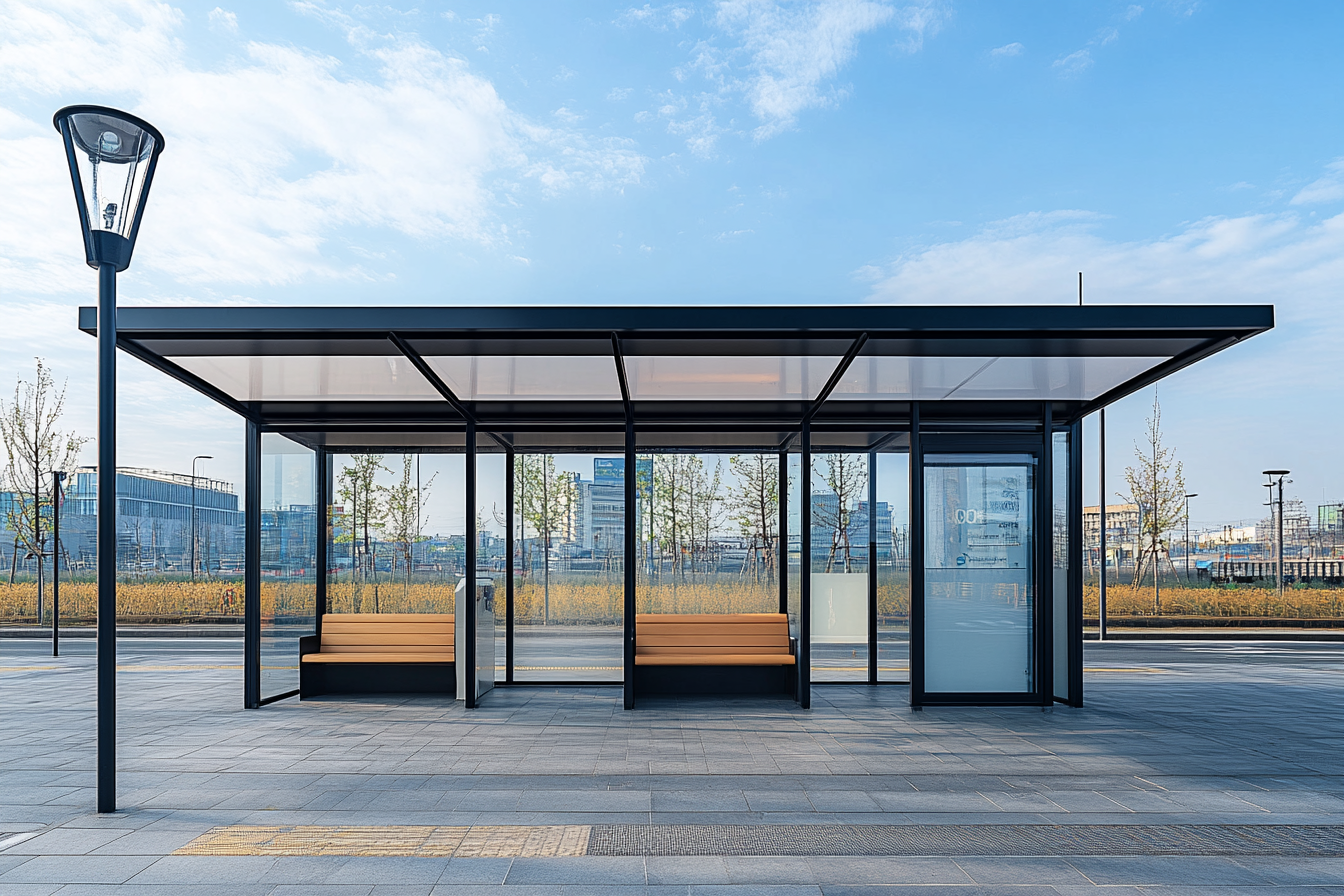
3. Light rail platform awnings
UPVC small trapezoidal panels increase the bending modulus by 25% through the trapezoidal wave peak design, and achieve 12-meter column-free span installation. Its self-cleaning nano-coating is combined with a 15° slope drainage system to ensure zero water accumulation on the platform during heavy rain, and the B1-level flame retardant performance meets the rail transit fire protection standards.
4. Cold chain storage insulation roof
The hollow roof board adopts five-layer co-extrusion technology to form a 2cm thick honeycomb closed-cell structure with a thermal conductivity as low as 0.032W/m·K, which is 40% energy-saving compared with traditional color steel tiles. It is combined with an aluminum foil reflective layer to block 95% of infrared radiation and reduce the compressor operation time by 30% when maintaining a warehouse temperature of -25℃.
5. Villa light guide lighting system
The combined roof adopts a prismatic translucent board + a 3mm thick UPVC impact-resistant layer, which transmits sunlight to the underground space through a fully reflective light guide tube. The illumination value reaches 800lux, and the electric blinds are used to adjust the amount of light entering, achieving a 65% reduction in lighting energy consumption throughout the year.
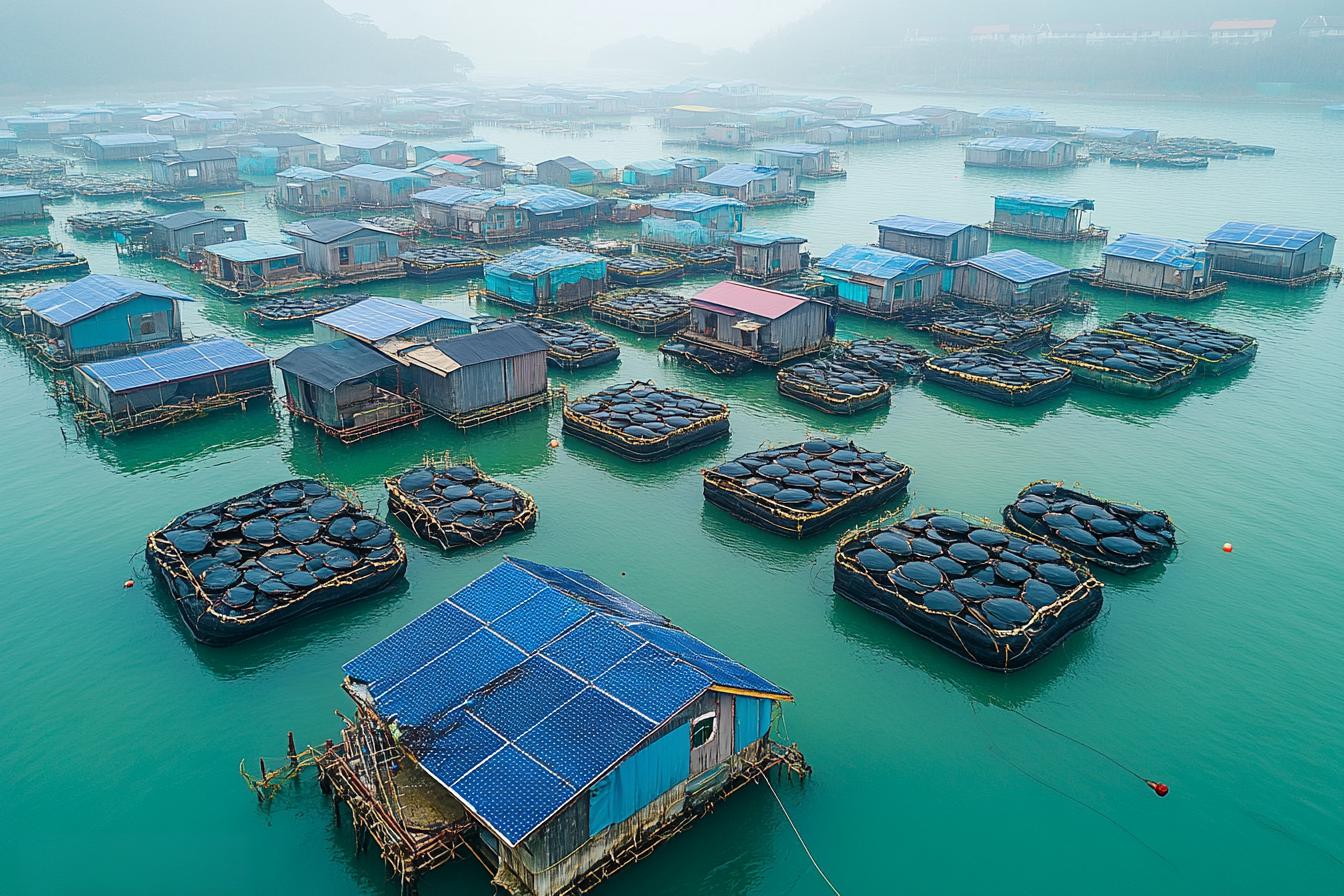
6. Offshore aquaculture awning
The ASAPVC sheet has no aging after 3000 hours of salt spray test. Its gradient color change technology automatically adjusts the light transmittance (50-20% changes with the intensity of sunlight), providing a bionic light environment for marine cultivation, and with the design of 12-level typhoon-resistant reinforcement ribs, it ensures the stable operation of the marine ranch.
1. Agricultural greenhouse lighting system
Using translucent roof panels (such as ROYAL 1050), by adjusting the transmittance of 40-80% to optimize the plant growth spectrum, and simultaneously blocking UV-B band radiation, its diffuse reflection characteristics avoid local overheating, achieve a balance between natural light effect and light protection, and improve the yield and quality of greenhouse crops.
2. Corrosion-resistant roof of chemical plant
Synthetic resin roof panels use a perfluoropolymer surface to build a chemical barrier, tolerate pH1-12 acid-base environment, and cooperate with hollow structures. The thermal resistance R value reaches 1.2m²·K/W, and maintains dimensional stability under a temperature difference of -40℃ to 120℃, becoming the preferred solution for maintenance-free roofs in chemical areas.
3. Light rail platform awnings
UPVC small trapezoidal panels increase the bending modulus by 25% through the trapezoidal wave peak design, and achieve 12-meter column-free span installation. Its self-cleaning nano-coating is combined with a 15° slope drainage system to ensure zero water accumulation on the platform during heavy rain, and the B1-level flame retardant performance meets the rail transit fire protection standards.
4. Cold chain storage insulation roof
The hollow roof board adopts five-layer co-extrusion technology to form a 2cm thick honeycomb closed-cell structure with a thermal conductivity as low as 0.032W/m·K, which is 40% energy-saving compared with traditional color steel tiles. It is combined with an aluminum foil reflective layer to block 95% of infrared radiation and reduce the compressor operation time by 30% when maintaining a warehouse temperature of -25℃.
5. Villa light guide lighting system
The combined roof adopts a prismatic translucent board + a 3mm thick UPVC impact-resistant layer, which transmits sunlight to the underground space through a fully reflective light guide tube. The illumination value reaches 800lux, and the electric blinds are used to adjust the amount of light entering, achieving a 65% reduction in lighting energy consumption throughout the year.
6. Offshore aquaculture awning
The ASAPVC sheet has no aging after 3000 hours of salt spray test. Its gradient color change technology automatically adjusts the light transmittance (50-20% changes with the intensity of sunlight), providing a bionic light environment for marine cultivation, and with the design of 12-level typhoon-resistant reinforcement ribs, it ensures the stable operation of the marine ranch.
Q: What is the light transmittance rate of your Lighting Glazed Tiles?
A: Our lighting tiles offer a high light transmittance of 75% to 85%. This allows soft, natural light to fill the building, reducing the need for electric lighting during the day without causing the harsh glare often associated with glass.
Q: Are these lighting tiles compatible with ASA synthetic resin tiles?
A: Yes. We design our Lighting Glazed Tiles to have the exact same wave profile and thickness as our standard ASA resin tiles. This ensures a seamless, interlocking fit, providing a completely waterproof and wind-resistant roofing system.
Q: Will the transparent tiles turn yellow or brittle over time?
A: No. Our tiles feature a high-performance UV-protective coating on the surface. This technology prevents the material from aging, yellowing, or becoming brittle due to sun exposure, ensuring a service life that matches your main roofing material.
Q: How do Lighting Glazed Tiles handle extreme weather like hail or heavy snow?
A: Despite their translucent appearance, these tiles are extremely durable. They are made from reinforced materials (such as FRP or high-impact PC) that provide high tensile strength and impact resistance, allowing them to withstand heavy snow loads and moderate hail impact.
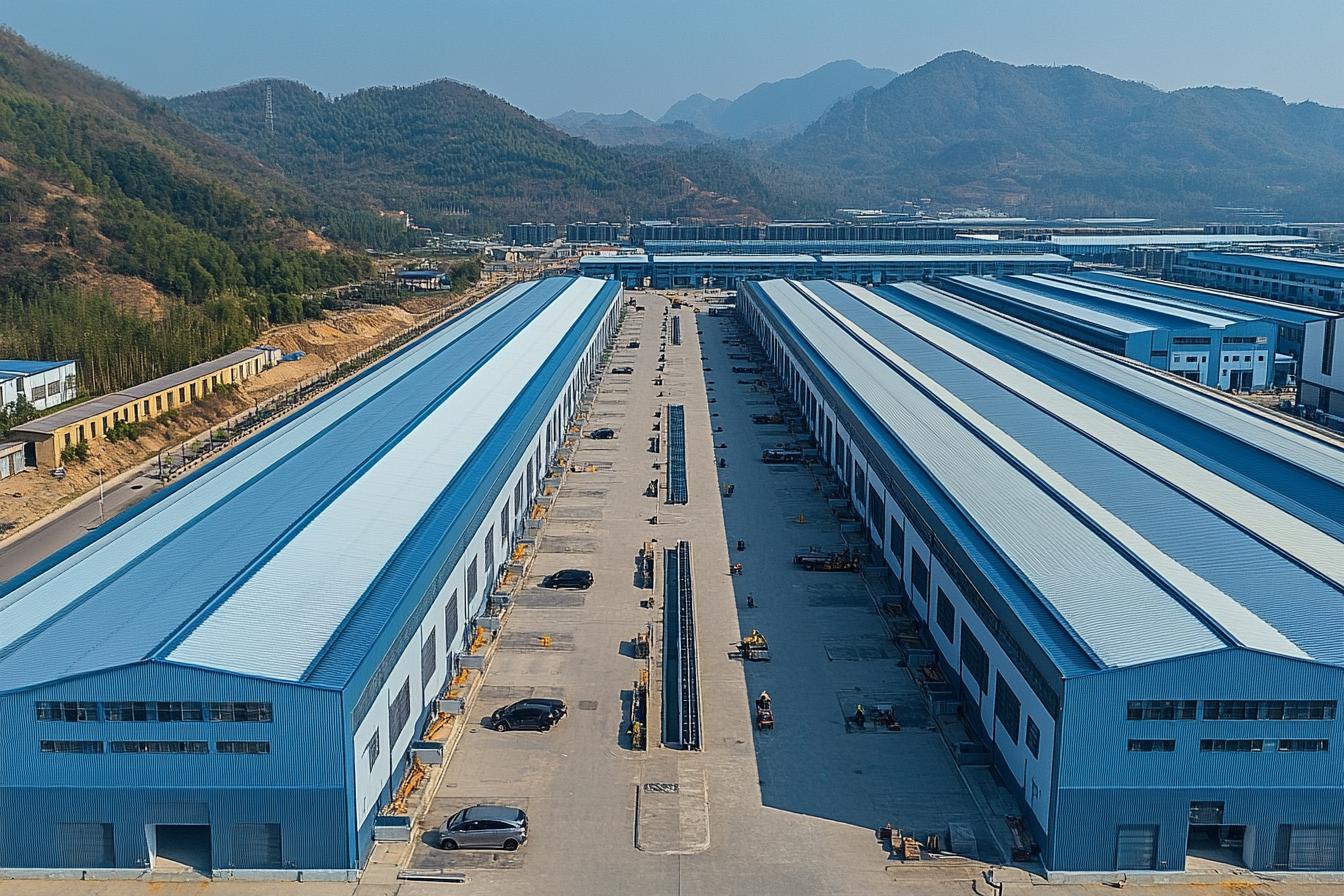
Q: Do these tiles help in saving energy for industrial factories?
A: Absolutely. By integrating skylight tiles into a factory roof, you can maximize natural daylighting. This significantly lowers daily electricity usage for lighting and helps maintain a more comfortable, productive environment for workers, contributing to green building certifications.
Q: What is the light transmittance rate of your Lighting Glazed Tiles?
A: Our lighting tiles offer a high light transmittance of 75% to 85%. This allows soft, natural light to fill the building, reducing the need for electric lighting during the day without causing the harsh glare often associated with glass.
Q: Are these lighting tiles compatible with ASA synthetic resin tiles?
A: Yes. We design our Lighting Glazed Tiles to have the exact same wave profile and thickness as our standard ASA resin tiles. This ensures a seamless, interlocking fit, providing a completely waterproof and wind-resistant roofing system.
Q: Will the transparent tiles turn yellow or brittle over time?
A: No. Our tiles feature a high-performance UV-protective coating on the surface. This technology prevents the material from aging, yellowing, or becoming brittle due to sun exposure, ensuring a service life that matches your main roofing material.
Q: How do Lighting Glazed Tiles handle extreme weather like hail or heavy snow?
A: Despite their translucent appearance, these tiles are extremely durable. They are made from reinforced materials (such as FRP or high-impact PC) that provide high tensile strength and impact resistance, allowing them to withstand heavy snow loads and moderate hail impact.
Q: Do these tiles help in saving energy for industrial factories?
A: Absolutely. By integrating skylight tiles into a factory roof, you can maximize natural daylighting. This significantly lowers daily electricity usage for lighting and helps maintain a more comfortable, productive environment for workers, contributing to green building certifications.