
close
Choose Your Site
Global
Social Media
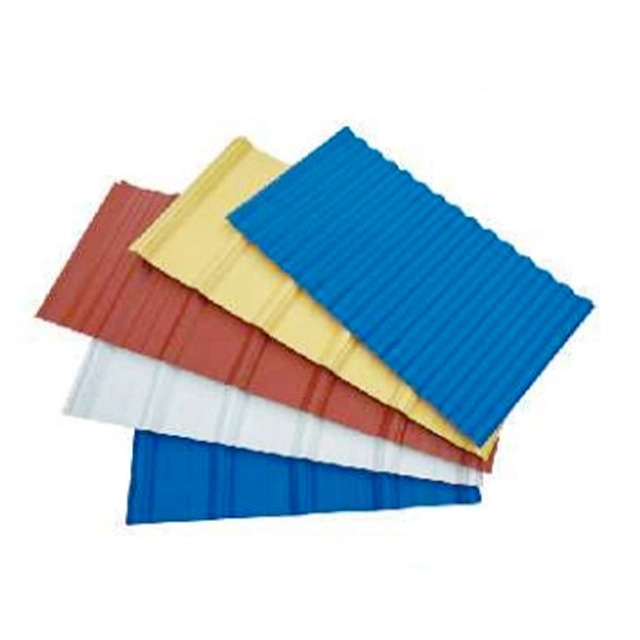
In hot climates, cooling costs rise fast, and roofs trap heat that forces AC systems to work harder. A synthetic resin roof sheet can block radiant heat and improve heat insulation roofing performance. LESSO offers advanced synthetic resin roof sheet solutions, and in this article, you will learn how they reduce energy bills.
The roof is the first surface that receives direct sunlight, and in hot climates it absorbs enormous solar radiation every day. Once the roof heats up, that energy transfers downward into the building through conduction and radiation. This makes indoor spaces warmer even if walls and windows are well designed. Many industrial facilities report that roof temperatures can become dangerously high, raising indoor heat levels long after sunset. Without proper roof insulation solutions to lower air conditioning bills, cooling systems must work harder just to maintain basic comfort. Synthetic resin roof sheets reduce this heat flow by creating a barrier that slows thermal transfer. By blocking heat at the source, they prevent excessive indoor heat buildup and improve overall energy saving roof sheet performance.
Warehouses and factories are especially vulnerable because they often have large roof surfaces and high ceilings. Metal roofing, which is common in these structures, absorbs heat quickly and transfers it into the building interior. This creates hot working environments and increases cooling demand dramatically. In many cases, air conditioning systems in industrial buildings must run continuously, driving electricity bills to extreme levels. Installing lightweight synthetic resin roof sheet systems can reduce roof heat gain and improve indoor temperature control. These energy efficient roofing sheets are designed to handle tropical heat stress while offering durability. For large facilities, even a small reduction in indoor temperature can result in major cooling cost reduction across the year.
Cooling systems are directly affected by how much heat enters through the roof. Poor insulation means the air conditioner must remove more heat every hour, increasing energy consumption and shortening equipment lifespan. Roof insulation acts as a thermal defense layer, reducing the workload placed on HVAC systems. Synthetic resin roofing is particularly effective because it combines reflective properties with strong thermal resistance. When less heat enters the building, the cooling system cycles less frequently, saving energy and improving comfort. Over time, this translates into lower maintenance costs and more stable indoor environments. Note: In very hot regions, roof insulation upgrades often provide the fastest energy efficiency returns.
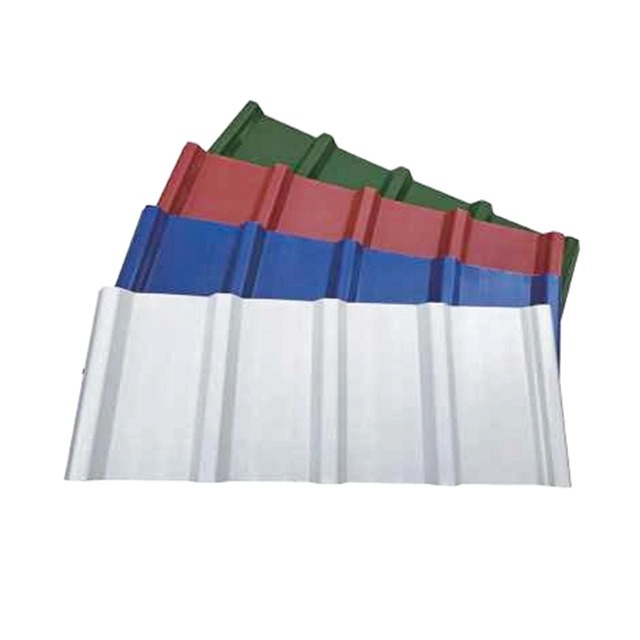
Synthetic resin roof sheets provide strong thermal resistance because their structure slows down the movement of heat. Unlike metal sheets, which conduct heat quickly, synthetic resin materials naturally resist thermal flow. This makes them ideal for hot climate insulation where roofs are exposed to constant sun. The sheet works as a thermal buffer, preventing heat from rapidly passing indoors. Many building owners choose synthetic resin roof sheet for heat insulation because it helps maintain cooler interior temperatures during peak summer hours. In warehouses, this can improve worker comfort and protect stored goods from overheating. The combination of insulation performance and durability makes synthetic resin one of the most cost effective heat resistant roofing materials.
Radiant heat is one of the biggest contributors to indoor overheating in tropical regions. Synthetic resin roof sheets often include reflective surface properties that reduce radiant heat absorption. Instead of allowing sunlight energy to become trapped in roofing layers, they help reflect a portion of it away. This is similar to radiant barrier insulation, which can reflect up to 96% of radiant heat in some designs (data needs verification). By reducing radiant heat gains, these sheets lower indoor temperature rise and support cooling cost reduction. This makes them energy saving roof sheets for tropical regions where solar exposure is intense. Tip: Combining reflective roofing sheets with proper ventilation creates even stronger passive cooling performance.
Traditional metal roofing is strong but performs poorly in hot climates due to high heat conductivity. Metal roofs heat up quickly and radiate warmth downward, turning buildings into heat traps. Synthetic resin roofing offers a different performance profile because it resists heat transfer while remaining lightweight. It also provides better moisture resistance, reducing the risk of corrosion or thermal degradation. For facilities needing best roofing sheet for hot climate insulation, synthetic resin options are often superior. Some advanced ASA co-extrusion technologies, such as those used in LESSO's synthetic resin tiles, also enhance UV resistance and long-term stability under harsh sunlight.
One major advantage of synthetic resin roofing is its lightweight structure. A lighter roof system reduces overall building load, making installation easier and often less expensive. More importantly, lightweight synthetic resin roof sheet materials often contain air pockets or layered designs that improve insulation performance. These layers slow down heat conduction and create thermal barriers. In hot climates, this results in cooler indoor temperatures and reduced reliance on air conditioning. Lightweight roofing is especially beneficial for warehouses, agricultural buildings, and commercial spaces where large roof spans are common. By combining structural efficiency with thermal insulation, synthetic resin roofing supports long-term cooling cost reduction.
Hot climates come with intense ultraviolet exposure, which can degrade many roofing materials over time. Synthetic resin roof sheets are designed with UV-resistant properties that help maintain performance even after years of sunlight exposure. This ensures long-term thermal stability and prevents cracking or fading that could reduce insulation effectiveness. For tropical regions, durability is essential because constant sun and humidity create harsh conditions. UV-resistant energy efficient roofing sheets remain effective longer, protecting buildings from heat gain while lowering cooling costs. Note: Long-lasting roofing materials reduce replacement frequency, which improves overall return on investment for insulation upgrades.
Moisture is another challenge in hot climates, especially in coastal or humid tropical zones. Traditional insulation materials may absorb moisture, reducing thermal performance and promoting mold growth. Synthetic resin roof sheets are moisture-resistant, helping prevent insulation degradation. This keeps thermal resistance consistent over time, ensuring reliable cooling cost reduction benefits. Moisture-proof roofing is especially valuable for industrial storage, where humidity control is important. By resisting water absorption, synthetic resin roofing maintains energy efficiency and protects building integrity. This feature makes it a strong choice for cost effective heat resistant roofing materials in challenging climates.
Cooling costs rise quickly when buildings lack proper roof insulation. Synthetic resin roof sheets offer one of the most direct roof insulation solutions to lower air conditioning bills because they stop heat before it enters. By reducing heat transfer, indoor spaces remain cooler, and HVAC systems run less frequently. This results in lower electricity consumption, especially during peak summer months. Homeowners benefit from improved comfort, while commercial buildings gain operational savings. Over time, synthetic resin roof sheet reducing cooling costs can provide significant financial relief in regions where cooling demand dominates energy use.
Benefit Area | Impact on Cooling Costs | Long-Term Value |
Residential Homes | Reduced AC runtime | Higher comfort and savings |
Warehouses | Lower indoor heat buildup | Protects goods and equipment |
Commercial Offices | Stable temperatures | Improved productivity |
Heatwaves are becoming more frequent in many regions, making insulation more critical than ever. Synthetic resin roofing helps maintain stable indoor temperatures by limiting heat gain during extreme conditions. Even when outdoor temperatures exceed 40°C, insulated roofs prevent rapid indoor overheating. This stability reduces stress on cooling systems and improves occupant comfort. For warehouses, stable temperatures protect stored products from heat damage. For offices, it supports healthier working environments. Synthetic resin roof sheet for heat insulation is therefore not only an energy-saving solution but also a resilience strategy against climate extremes.
In tropical regions, electricity costs can be high due to constant air conditioning use. Energy saving roof sheets for tropical regions offer a way to reduce dependence on mechanical cooling. Synthetic resin roofing provides both insulation and reflective benefits, lowering indoor heat levels naturally. This reduces peak electricity demand and helps businesses manage operating budgets. Over time, these savings accumulate, making synthetic resin one of the best roofing sheet choices for hot climate insulation. Tip: Buildings that combine synthetic resin roofing with shading and ventilation often achieve the greatest energy savings.
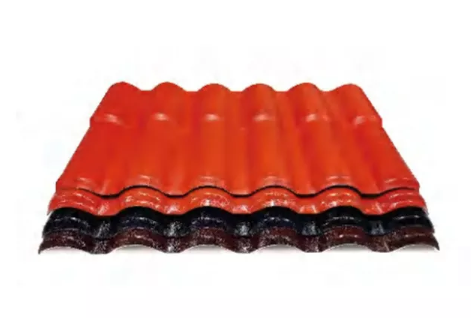
Many insulation materials exist, including fiberglass and XPS foam boards. Fiberglass works well by trapping air pockets, while XPS provides strong moisture resistance and durability. However, synthetic resin roof sheets combine roofing function with insulation benefits, reducing the need for separate systems. This makes installation simpler and often more cost-effective. In hot climates, choosing the right roofing sheet depends on performance, durability, and budget. Synthetic resin roofing stands out because it provides heat insulation roofing and structural protection in one solution.
Material Type | Strengths | Weaknesses |
Synthetic Resin Roof Sheet | Reflective, moisture-proof, durable | Higher upfront cost than metal |
Fiberglass Insulation | Affordable, good thermal resistance | Requires separate roofing layer |
XPS Foam Boards | Strong, moisture-resistant | Needs proper installation for roofs |
Thermal roof panels are another option for insulation, but they often require complex installation and higher costs. Synthetic resin roof sheets provide a simpler alternative with strong insulation performance. They are lightweight, easy to install, and designed specifically for hot climate roofing needs. For many warehouses and commercial facilities, synthetic resin roof sheet reducing cooling costs offers the best balance between affordability and energy efficiency. The cost effectiveness becomes clear when energy savings are calculated over multiple years.
Different building types require different insulation priorities. Residential homes focus on comfort and quiet performance, while industrial buildings need durability and heat resistance. Agricultural sheds require lightweight solutions that protect animals and crops. Synthetic resin roofing is versatile enough to serve all these sectors. It provides stable insulation, moisture resistance, and long-term durability. This adaptability makes it one of the best roofing sheet for hot climate insulation across multiple industries.
Warehouses often store temperature-sensitive products, making insulation essential. Synthetic resin roof sheets reduce heat gain and help maintain cooler indoor storage conditions. This reduces the need for expensive cooling systems and protects goods from heat-related damage. Many logistics facilities now view synthetic resin roofing as a strategic investment, not just a building upgrade. With cooling cost reduction benefits, warehouses can improve both energy efficiency and operational reliability.
Homes in tropical climates face constant heat stress. Synthetic resin roof sheet for heat insulation helps homeowners maintain cooler living spaces without excessive AC use. This improves comfort while lowering electricity bills. Residential roofing solutions also benefit from synthetic resin durability, reducing maintenance needs over time. Families gain both immediate cooling relief and long-term cost savings.
Agricultural buildings are often exposed to direct sun with limited cooling infrastructure. Synthetic resin roof sheets provide passive insulation that protects livestock and crops from extreme heat. Poultry farms, for example, require stable temperatures to maintain animal health. By reducing indoor heat buildup, synthetic resin roofing supports productivity and reduces ventilation energy demand. Note: In agriculture, roof insulation is often one of the most impactful upgrades for heat stress management.
Installation quality determines how much energy savings a roof system delivers. Synthetic resin roof sheets perform best when combined with radiant barriers or reflective layers. Proper layering prevents radiant heat from entering roof cavities and improves insulation efficiency. This approach is widely used in tropical regions to maximize cooling cost reduction. Reflective insulation can enhance performance by redirecting heat away from the building envelope.
Thermal bridges occur when heat bypasses insulation through structural gaps. Avoiding these weak points is critical for maintaining insulation effectiveness. Synthetic resin roof sheet systems should be installed carefully to ensure continuous coverage and minimal gaps. Professional installation helps prevent heat leakage and ensures the roof delivers expected energy savings. Poor installation can reduce insulation performance even with high-quality materials.
Many buildings already have metal roofs that contribute to high cooling costs. Retrofit solutions allow synthetic resin roof sheets to be installed without full roof replacement. This reduces upgrade costs while delivering strong insulation improvements. Retrofit insulation is especially popular for warehouses and commercial buildings seeking fast ROI. With the right approach, synthetic resin roof sheet reducing cooling costs becomes accessible even for older structures.
Synthetic resin roofing is often viewed as a cost-effective investment because energy savings can offset installation costs within a few years. By lowering cooling demand, these roofs reduce monthly electricity expenses. Over time, this creates strong financial returns, especially in regions with high energy prices. Synthetic resin is also durable, which reduces replacement costs compared with cheaper materials.
Cooling cost reduction is the key driver behind roofing ROI. When buildings reduce air conditioning runtime, they save energy and extend HVAC lifespan. These savings accumulate quickly, making synthetic resin roofing a financially smart upgrade. Many businesses calculate payback periods of 2–5 years depending on climate and building size (data needs verification). This makes synthetic resin one of the most attractive energy efficiency upgrades available.
Cheaper roofing materials may require frequent repairs or replacements, reducing long-term value. Synthetic resin roof sheets provide long lifespan performance with stable insulation benefits. Their UV resistance, moisture protection, and thermal stability ensure consistent results over decades. Some premium suppliers, such as LESSO, highlight service lives up to 30 years with strong corrosion resistance even in acid or salt environments. This durability makes them one of the best roofing sheet choices for hot climate insulation and long-term cooling savings.
Roof insulation works best when paired with ventilation strategies. Ventilation helps remove trapped hot air from roof cavities and improves overall cooling efficiency. Synthetic resin roof sheets combined with airflow design can deliver stronger passive cooling. This reduces reliance on mechanical systems and improves comfort.
Color plays an important role in heat absorption. Light-colored roofing surfaces reflect more sunlight, reducing roof temperature. Synthetic resin roof sheets are often available in reflective finishes that enhance radiant heat rejection. This makes them highly effective energy saving roof sheets for tropical regions.
Even the best roof insulation can be weakened by air leaks. Sealing gaps around vents, ducts, and roof joints improves overall thermal envelope performance. Combined with synthetic resin roofing, airtight construction ensures maximum cooling cost reduction and indoor comfort.
Synthetic resin roof sheets cut cooling costs in hot climates by blocking heat transfer and reflecting radiant energy. They stay durable under UV and moisture stress, helping homes and warehouses stay cooler. LESSO provides advanced synthetic resin roof sheet solutions that deliver comfort, long-term savings, and reliable value for energy efficient roofing.
A: A synthetic resin roof sheet reflects radiant heat and slows heat transfer, keeping buildings cooler.
A: Synthetic resin roof sheet for heat insulation improves comfort and lowers AC workload in tropical regions.
A: Yes, it offers better hot climate insulation and long-term cooling cost reduction than metal roofing.
A: Proper layering and avoiding gaps help synthetic resin roof sheet reducing cooling costs perform best.


