| Availability: | |
|---|---|
| Quantity: | |


As a core protective component at the top of the roofing system, our ASA main ridge tile utilizes advanced integrated molding technology, perfectly adapting to double-pitched roofs of various slopes. The thick ASA layer covering the surface ensures color stability for up to 20 years, unaffected by extreme weather conditions. The arc-shaped mechanical design not only quickly diverts rainwater but also enhances wind resistance at the ridge line. Whether for industrial plants or high-end villas, this main ridge tile provides seamless waterproofing and a unified aesthetic appeal, making it the ideal choice for long-lasting roof protection.
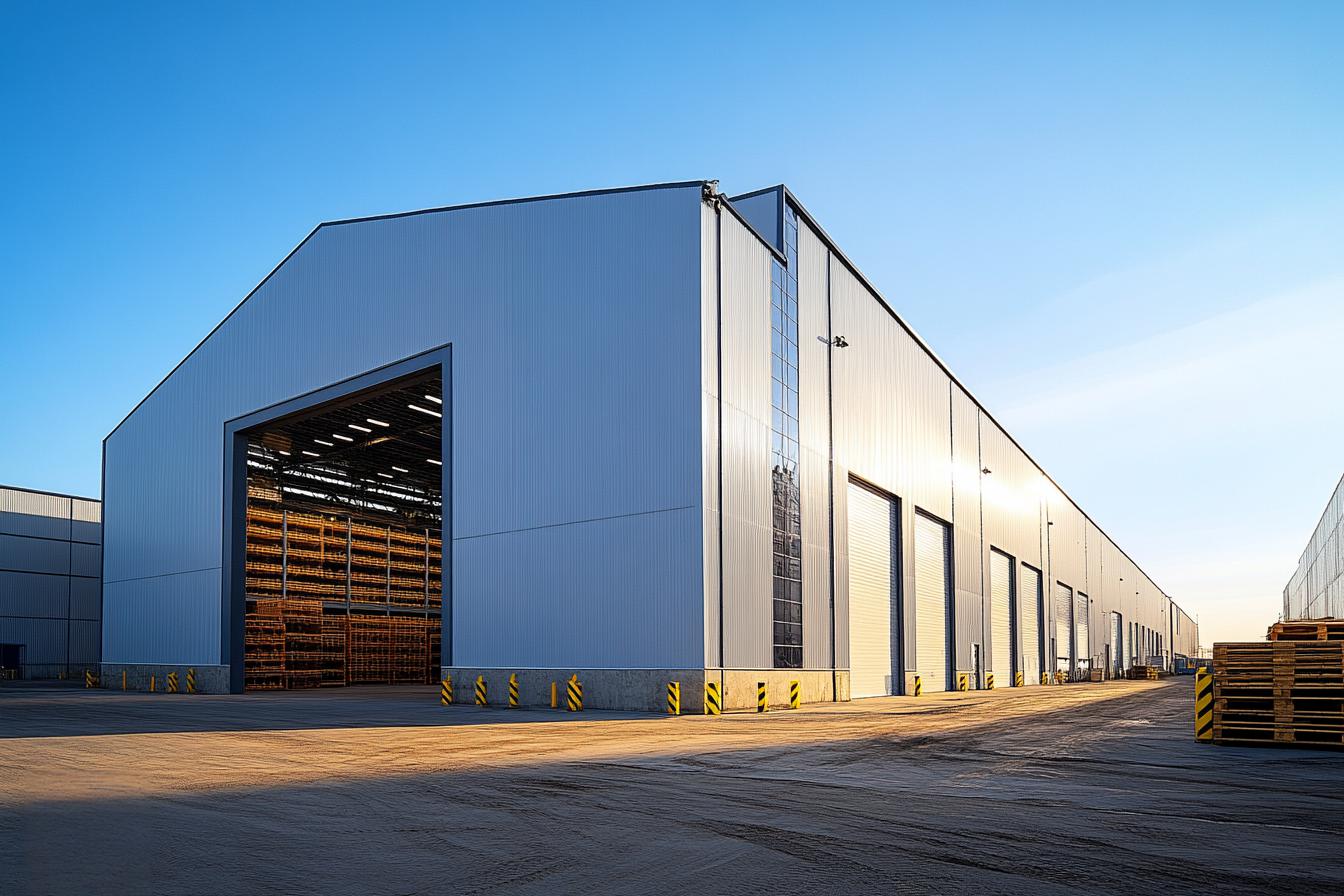
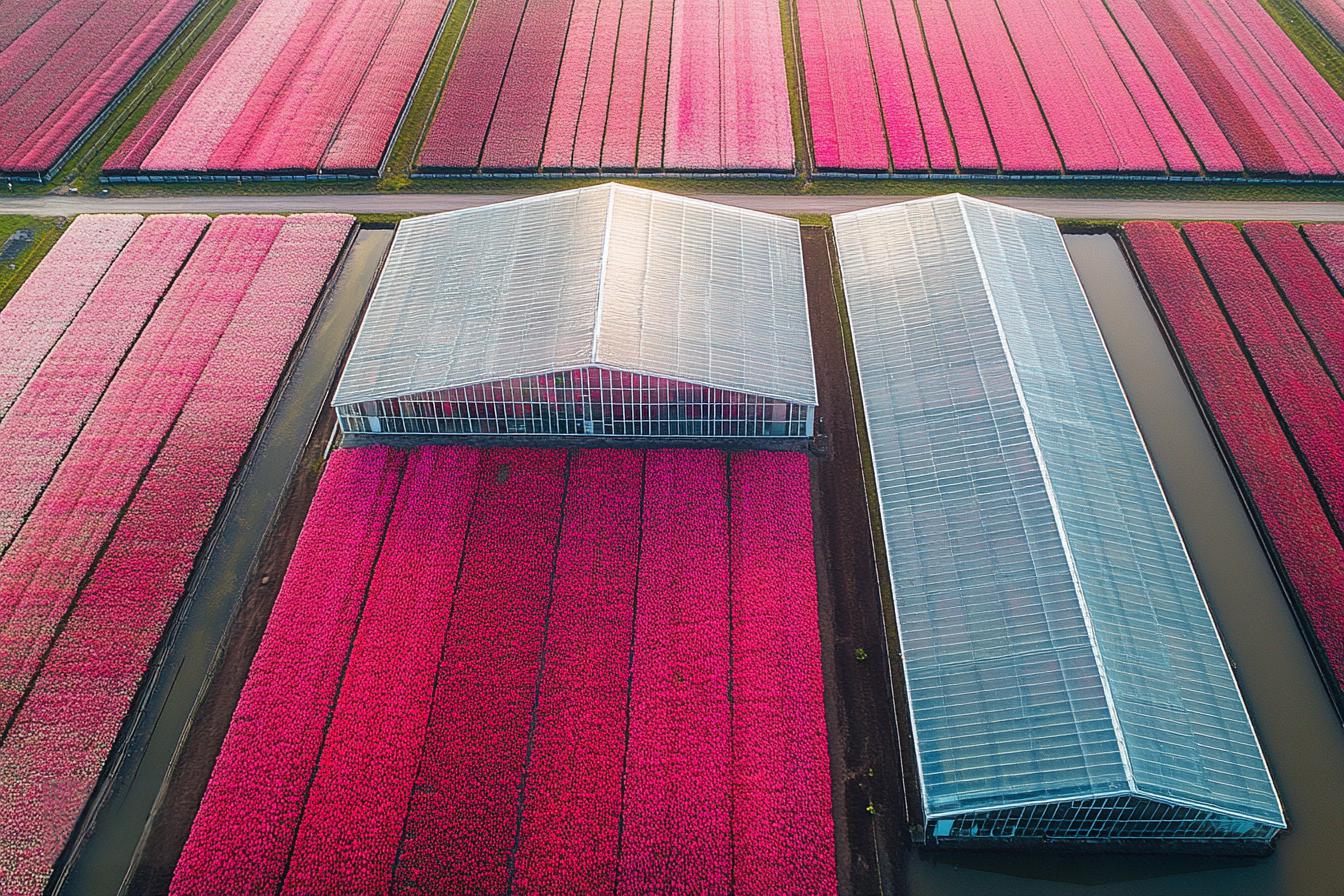
1. Agricultural greenhouse lighting system
Using translucent roof panels (such as ROYAL 1050), by adjusting the transmittance of 40-80% to optimize the plant growth spectrum, and simultaneously blocking UV-B band radiation, its diffuse reflection characteristics avoid local overheating, achieve a balance between natural light effect and light protection, and improve the yield and quality of greenhouse crops.

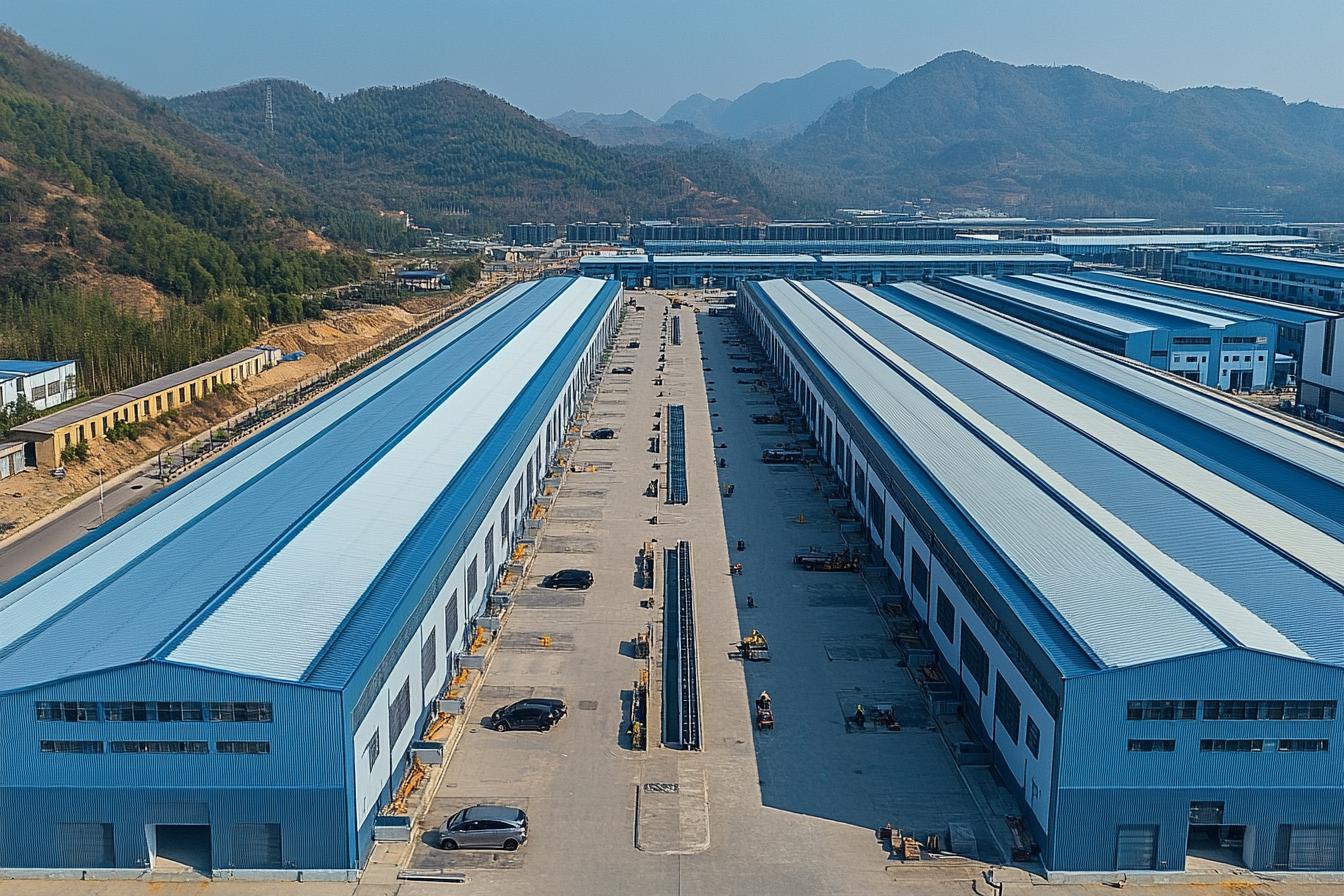
2. Corrosion-resistant roof of chemical plant
Synthetic resin roof panels use a perfluoropolymer surface to build a chemical barrier, tolerate pH1-12 acid-base environment, and cooperate with hollow structures. The thermal resistance R value reaches 1.2m²·K/W, and maintains dimensional stability under a temperature difference of -40℃ to 120℃, becoming the preferred solution for maintenance-free roofs in chemical areas.
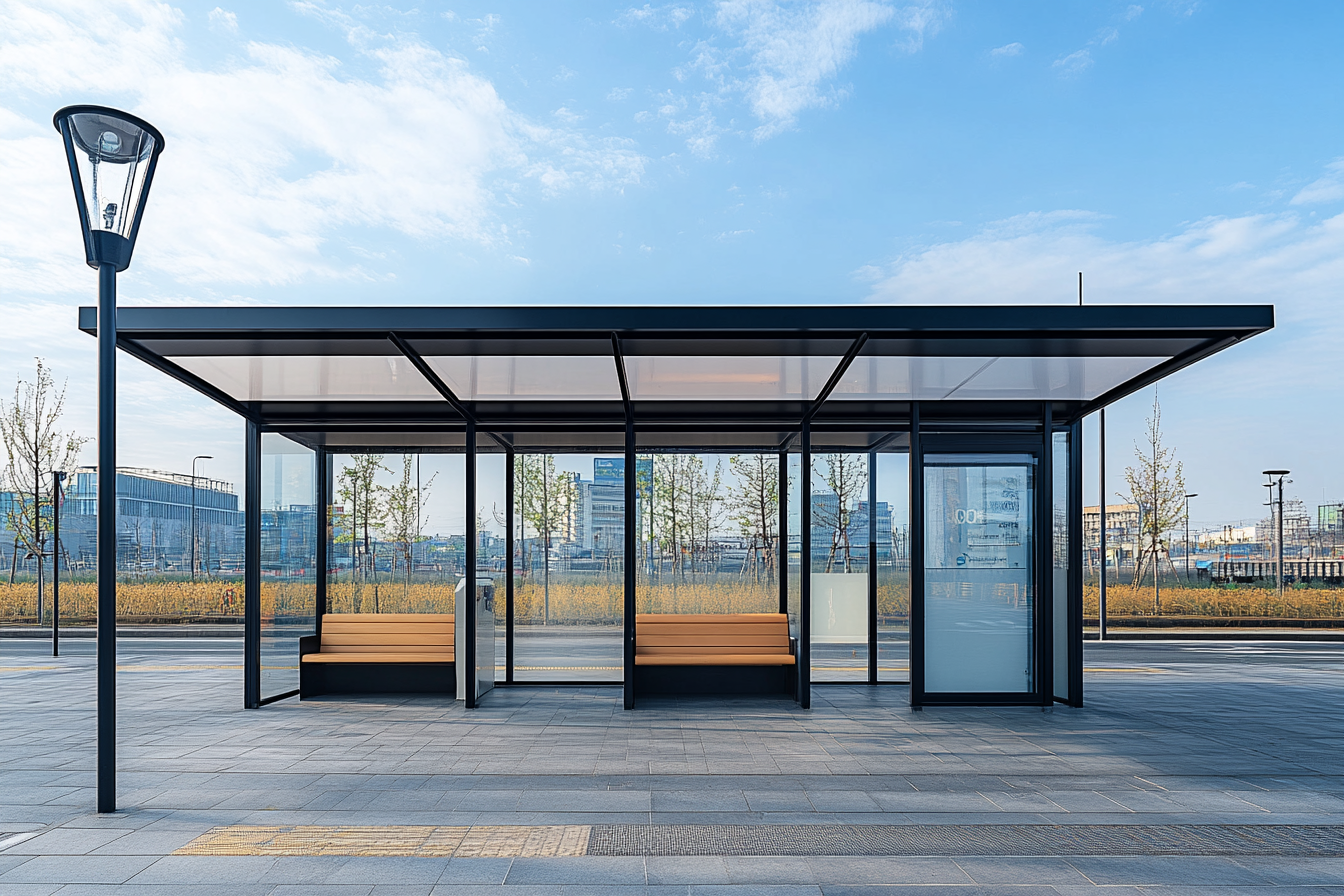
3. Light rail platform awnings
UPVC small trapezoidal panels increase the bending modulus by 25% through the trapezoidal wave peak design, and achieve 12-meter column-free span installation. Its self-cleaning nano-coating is combined with a 15° slope drainage system to ensure zero water accumulation on the platform during heavy rain, and the B1-level flame retardant performance meets the rail transit fire protection standards.
4. Cold chain storage insulation roof
The hollow roof board adopts five-layer co-extrusion technology to form a 2cm thick honeycomb closed-cell structure with a thermal conductivity as low as 0.032W/m·K, which is 40% energy-saving compared with traditional color steel tiles. It is combined with an aluminum foil reflective layer to block 95% of infrared radiation and reduce the compressor operation time by 30% when maintaining a warehouse temperature of -25℃.
5. Villa light guide lighting system
The combined roof adopts a prismatic translucent board + a 3mm thick UPVC impact-resistant layer, which transmits sunlight to the underground space through a fully reflective light guide tube. The illumination value reaches 800lux, and the electric blinds are used to adjust the amount of light entering, achieving a 65% reduction in lighting energy consumption throughout the year.
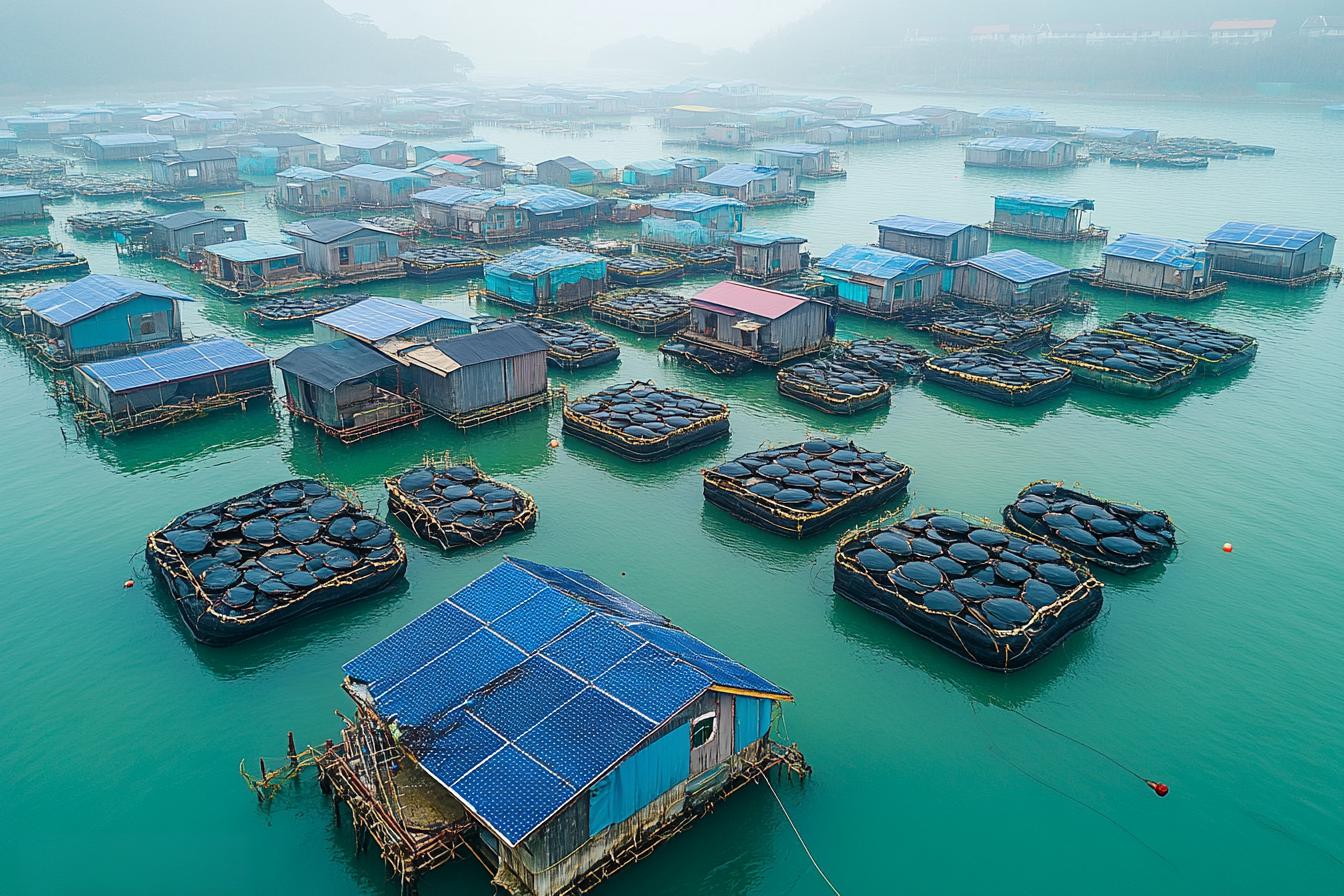
6. Offshore aquaculture awning
The ASAPVC sheet has no aging after 3000 hours of salt spray test. Its gradient color change technology automatically adjusts the light transmittance (50-20% changes with the intensity of sunlight), providing a bionic light environment for marine cultivation, and with the design of 12-level typhoon-resistant reinforcement ribs, it ensures the stable operation of the marine ranch.
Q: What is the primary function of a Main Ridge Tile?
A: The Main Ridge Tile covers the horizontal intersection at the very top of a sloped roof. Its job is to prevent rainwater and debris from entering the roof structure at the apex, ensuring a completely watertight and wind-resistant seal for the entire building.
Q: Will the color of the ridge tile match my main roof sheets?
A: Absolutely. We manufacture our ridge tiles using the same ASA color-stable technology and color pigments as our main roofing sheets. This ensures a perfect color match and synchronized aging, so your roof remains visually consistent for decades.
Q: How many ridge tiles do I need for my project?
A: To calculate the quantity, divide the total length of your roof's horizontal apex by the effective length of one ridge tile (accounting for the recommended 100mm-150mm overlap). We recommend ordering an extra 5% for cutting and fitment.
Q: Does this ridge tile require a specific installation angle?
A: Our Main Ridge Tiles are designed with a degree of flexibility. The ASA-PVC material allows the tile to adapt to most standard roof pitches (between 20° and 45°) without cracking, ensuring a snug fit regardless of your roof's steepness.
Q: Can these tiles withstand high winds in coastal areas?
A: Yes. When secured with our professional waterproof fastener sets at the recommended intervals, the ridge tiles create a robust structural bond. Their streamlined profile minimizes wind resistance, making them highly effective in typhoon-prone or high-wind regions.

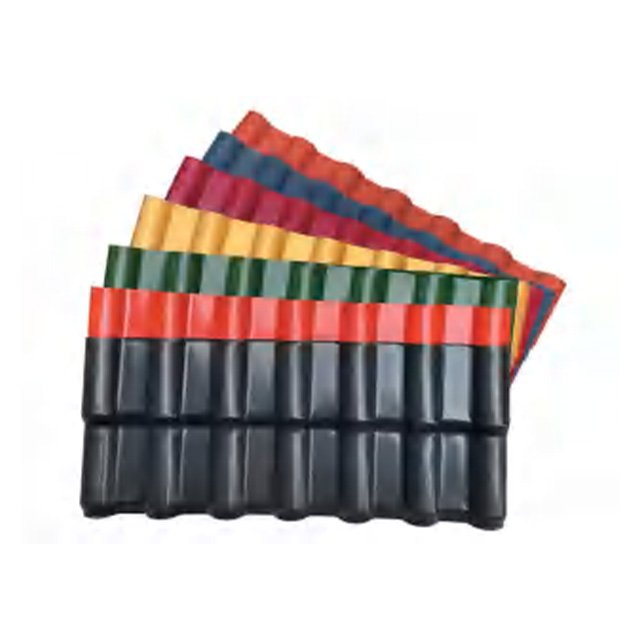
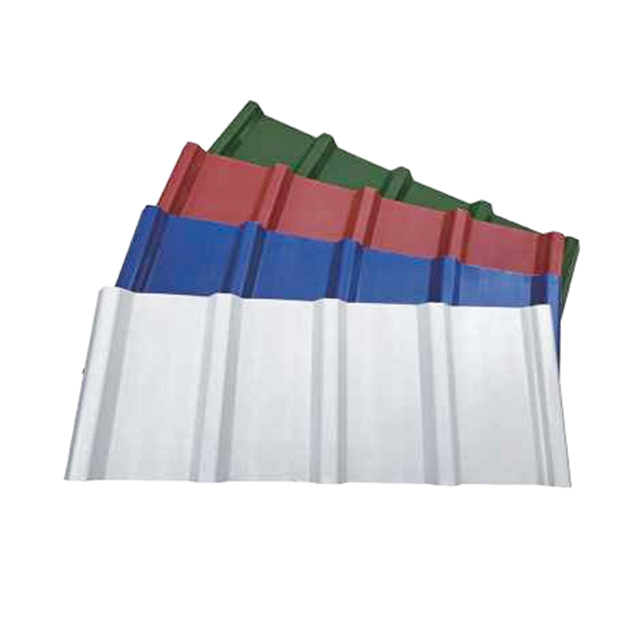
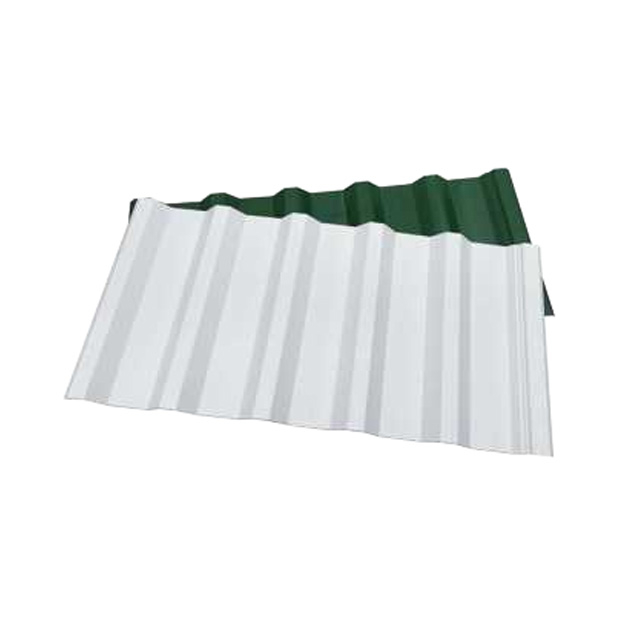
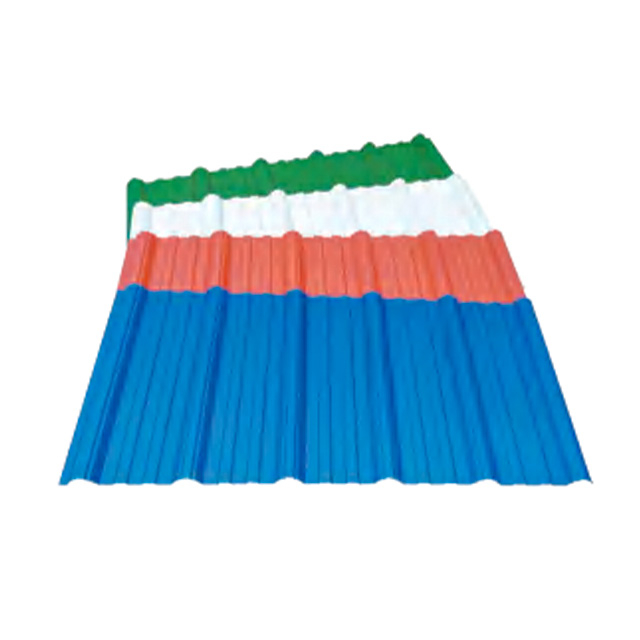


As a core protective component at the top of the roofing system, our ASA main ridge tile utilizes advanced integrated molding technology, perfectly adapting to double-pitched roofs of various slopes. The thick ASA layer covering the surface ensures color stability for up to 20 years, unaffected by extreme weather conditions. The arc-shaped mechanical design not only quickly diverts rainwater but also enhances wind resistance at the ridge line. Whether for industrial plants or high-end villas, this main ridge tile provides seamless waterproofing and a unified aesthetic appeal, making it the ideal choice for long-lasting roof protection.
1. Agricultural greenhouse lighting system
Using translucent roof panels (such as ROYAL 1050), by adjusting the transmittance of 40-80% to optimize the plant growth spectrum, and simultaneously blocking UV-B band radiation, its diffuse reflection characteristics avoid local overheating, achieve a balance between natural light effect and light protection, and improve the yield and quality of greenhouse crops.

2. Corrosion-resistant roof of chemical plant
Synthetic resin roof panels use a perfluoropolymer surface to build a chemical barrier, tolerate pH1-12 acid-base environment, and cooperate with hollow structures. The thermal resistance R value reaches 1.2m²·K/W, and maintains dimensional stability under a temperature difference of -40℃ to 120℃, becoming the preferred solution for maintenance-free roofs in chemical areas.

3. Light rail platform awnings
UPVC small trapezoidal panels increase the bending modulus by 25% through the trapezoidal wave peak design, and achieve 12-meter column-free span installation. Its self-cleaning nano-coating is combined with a 15° slope drainage system to ensure zero water accumulation on the platform during heavy rain, and the B1-level flame retardant performance meets the rail transit fire protection standards.
4. Cold chain storage insulation roof
The hollow roof board adopts five-layer co-extrusion technology to form a 2cm thick honeycomb closed-cell structure with a thermal conductivity as low as 0.032W/m·K, which is 40% energy-saving compared with traditional color steel tiles. It is combined with an aluminum foil reflective layer to block 95% of infrared radiation and reduce the compressor operation time by 30% when maintaining a warehouse temperature of -25℃.
5. Villa light guide lighting system
The combined roof adopts a prismatic translucent board + a 3mm thick UPVC impact-resistant layer, which transmits sunlight to the underground space through a fully reflective light guide tube. The illumination value reaches 800lux, and the electric blinds are used to adjust the amount of light entering, achieving a 65% reduction in lighting energy consumption throughout the year.
6. Offshore aquaculture awning
The ASAPVC sheet has no aging after 3000 hours of salt spray test. Its gradient color change technology automatically adjusts the light transmittance (50-20% changes with the intensity of sunlight), providing a bionic light environment for marine cultivation, and with the design of 12-level typhoon-resistant reinforcement ribs, it ensures the stable operation of the marine ranch.
Q: What is the primary function of a Main Ridge Tile?
A: The Main Ridge Tile covers the horizontal intersection at the very top of a sloped roof. Its job is to prevent rainwater and debris from entering the roof structure at the apex, ensuring a completely watertight and wind-resistant seal for the entire building.
Q: Will the color of the ridge tile match my main roof sheets?
A: Absolutely. We manufacture our ridge tiles using the same ASA color-stable technology and color pigments as our main roofing sheets. This ensures a perfect color match and synchronized aging, so your roof remains visually consistent for decades.
Q: How many ridge tiles do I need for my project?
A: To calculate the quantity, divide the total length of your roof's horizontal apex by the effective length of one ridge tile (accounting for the recommended 100mm-150mm overlap). We recommend ordering an extra 5% for cutting and fitment.
Q: Does this ridge tile require a specific installation angle?
A: Our Main Ridge Tiles are designed with a degree of flexibility. The ASA-PVC material allows the tile to adapt to most standard roof pitches (between 20° and 45°) without cracking, ensuring a snug fit regardless of your roof's steepness.
Q: Can these tiles withstand high winds in coastal areas?
A: Yes. When secured with our professional waterproof fastener sets at the recommended intervals, the ridge tiles create a robust structural bond. Their streamlined profile minimizes wind resistance, making them highly effective in typhoon-prone or high-wind regions.