| Color: | |
|---|---|
| Availability: | |
| Quantity: | |


Product introduction:The antique one-piece resin tile is a practical and innovative resin tile,characterized by its light weight,resilient and flexible structure,easy installation and maintenance,reduced manu- facturing costs,cost-saving benefits,multiple reusability,and no harm- ful impact on the wall surface even after long-term use.This helps avoid wall collapse under long-term pressure,making the boundary wall more durable.Compared to conventional methods,the antique one-piece tile excels in its integrated molding structure,allowing direct
bonding to the top of boundary walls with cement mortar.This not only simplifies the construction process but also significantly improves construction efficiency.It reduces construction costs and enhances、 the uniqueness and aesthetics of the wall,achieving an antique appearance.
Features:Integrated molding,antique appearance
| Product parameters | |
| Width | 1050mm |
| Thickness | 2.3mm-3.0mm |
| Product specification | 1050mm×300mm,400mm,500mm |
Application range | Villas,farms,gardens,pavilions,municipal renovation projects |

| Main tile | Main Ridge tile tile head | Tilted ridge tile | Flat | Three-way |
![]() | ![]() | ![]() | ![]() | |
Four-wa | End tile head three-way | T-type | Antique/drip tile | Yin angle drainage tile/sink |
![]() | ![]() | ![]() | ![]() | ![]() |
Lef/right eave sealing tile | 120°front wall drainage tile | Resin tile waterproofing accessories | Screws | |
![]() | ![]() | ![]() | ![]() |
Installation instructions


Product introduction:The antique one-piece resin tile is a practical and innovative resin tile,characterized by its light weight,resilient and flexible structure,easy installation and maintenance,reduced manu- facturing costs,cost-saving benefits,multiple reusability,and no harm- ful impact on the wall surface even after long-term use.This helps avoid wall collapse under long-term pressure,making the boundary wall more durable.Compared to conventional methods,the antique one-piece tile excels in its integrated molding structure,allowing direct
bonding to the top of boundary walls with cement mortar.This not only simplifies the construction process but also significantly improves construction efficiency.It reduces construction costs and enhances、 the uniqueness and aesthetics of the wall,achieving an antique appearance.
Features:Integrated molding,antique appearance
| Product parameters | |
| Width | 1050mm |
| Thickness | 2.3mm-3.0mm |
| Product specification | 1050mm×300mm,400mm,500mm |
Application range | Villas,farms,gardens,pavilions,municipal renovation projects |

| Main tile | Main Ridge tile tile head | Tilted ridge tile | Flat | Three-way |
![]() | ![]() | ![]() | ![]() | |
Four-wa | End tile head three-way | T-type | Antique/drip tile | Yin angle drainage tile/sink |
![]() | ![]() | ![]() | ![]() | ![]() |
Lef/right eave sealing tile | 120°front wall drainage tile | Resin tile waterproofing accessories | Screws | |
![]() | ![]() | ![]() | ![]() |
Installation instructions

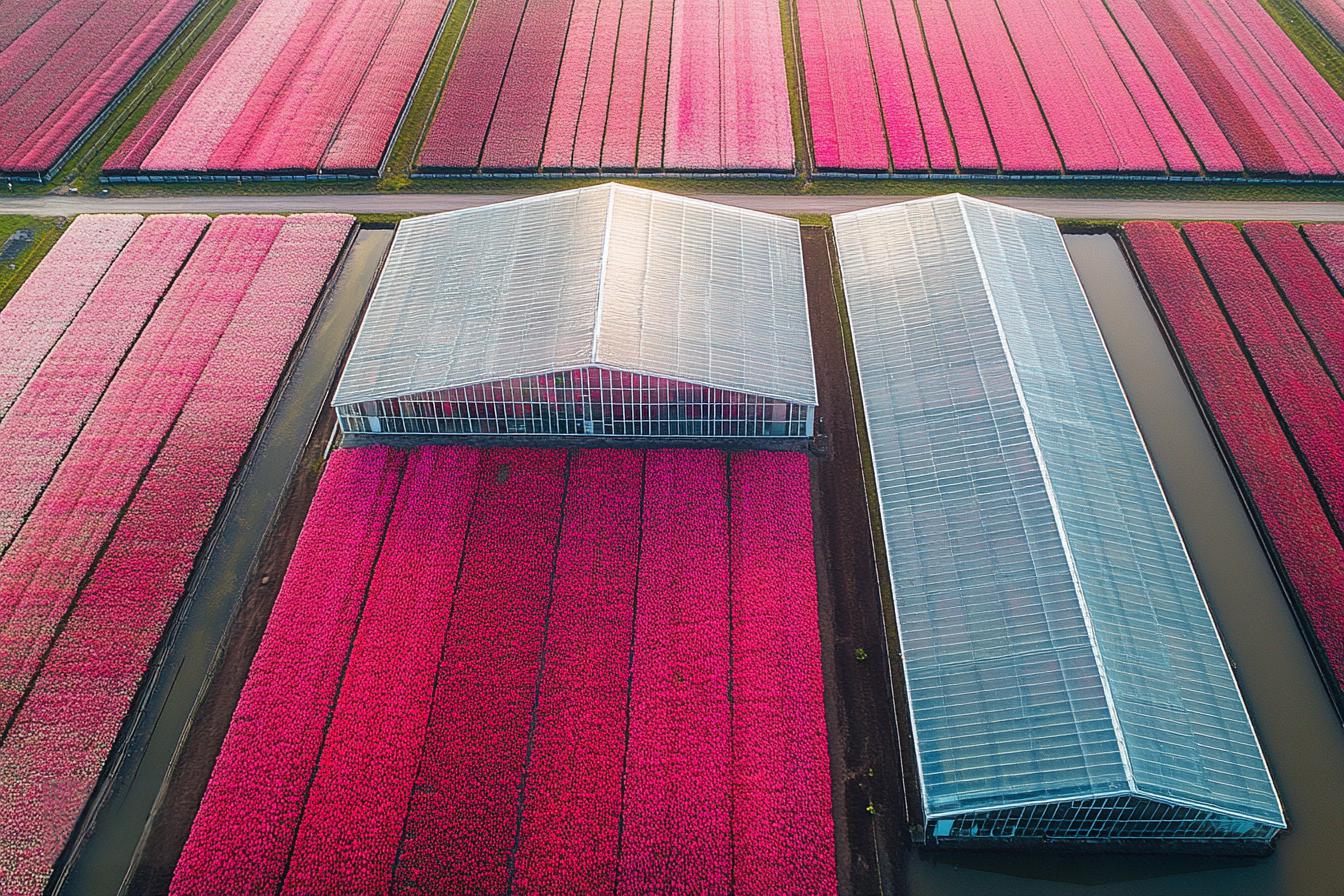
1. Agricultural greenhouse lighting system
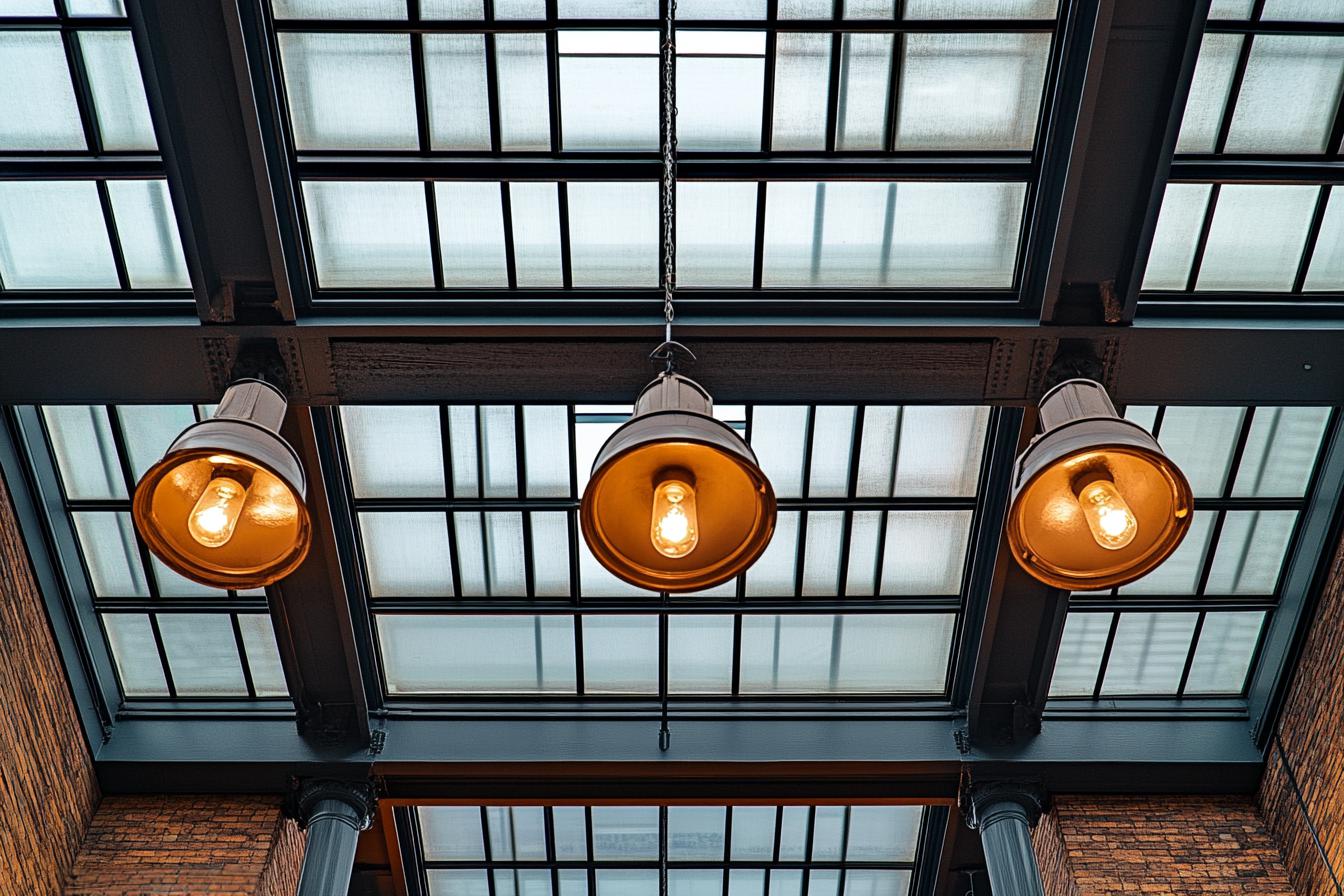
Using translucent roof panels (such as ROYAL 1050), by adjusting the transmittance of 40-80% to optimize the plant growth spectrum, and simultaneously blocking UV-B band radiation, its diffuse reflection characteristics avoid local overheating, achieve a balance between natural light effect and light protection, and improve the yield and quality of greenhouse crops.
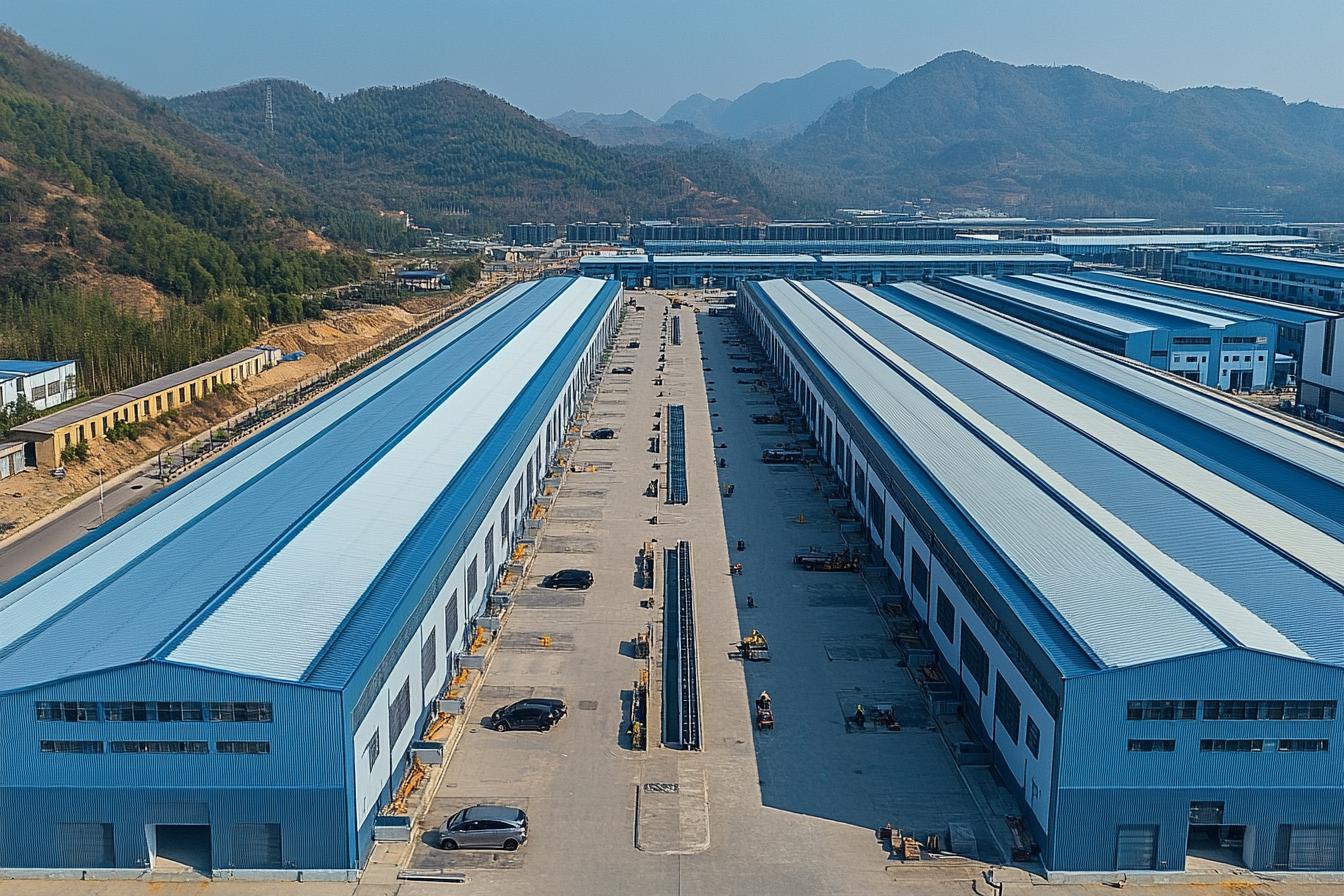
2. Corrosion-resistant roof of chemical plant
Synthetic resin roof panels use a perfluoropolymer surface to build a chemical barrier, tolerate pH1-12 acid-base environment, and cooperate with hollow structures. The thermal resistance R value reaches 1.2m²·K/W, and maintains dimensional stability under a temperature difference of -40℃ to 120℃, becoming the preferred solution for maintenance-free roofs in chemical areas.
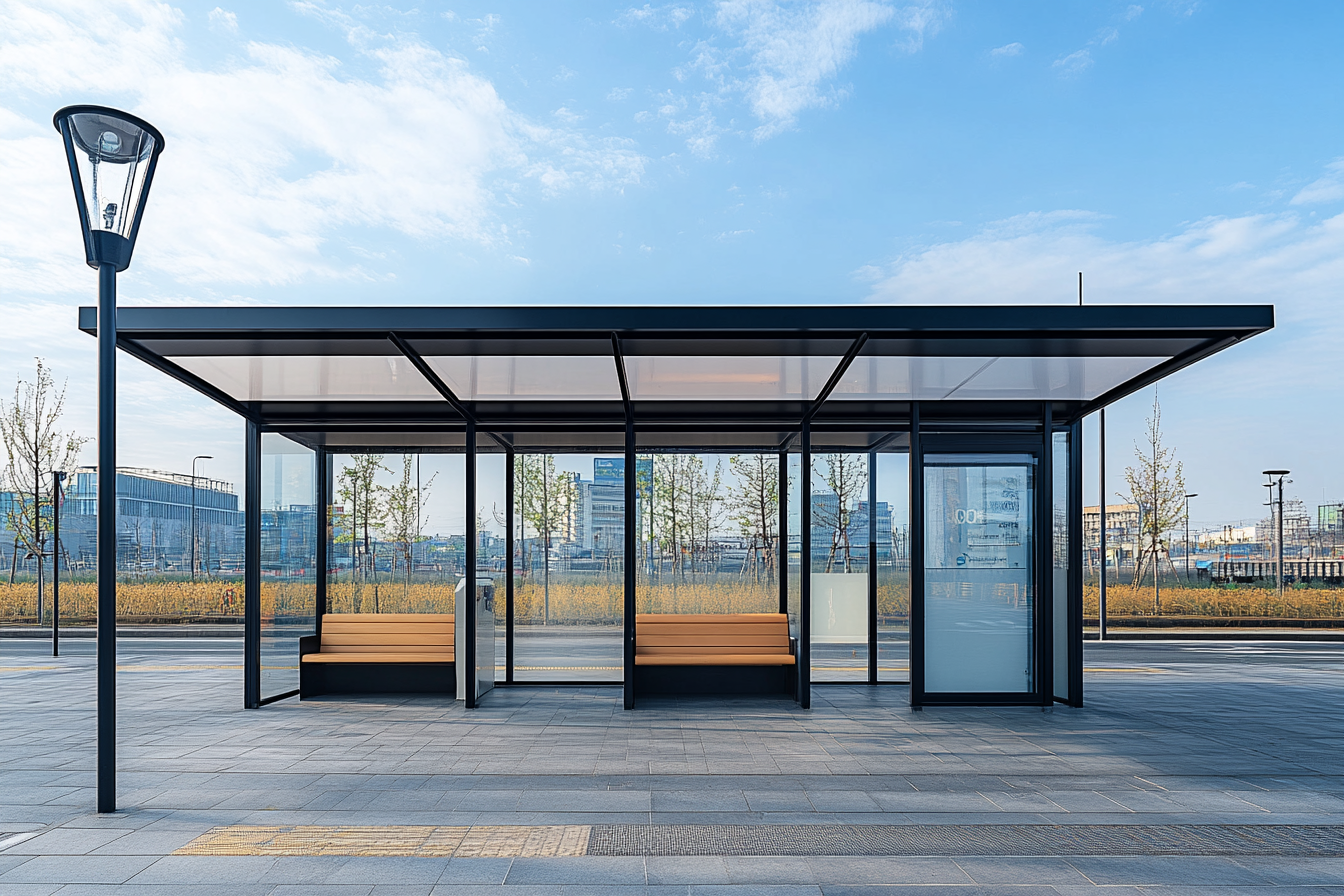
3. Light rail platform awnings
UPVC small trapezoidal panels increase the bending modulus by 25% through the trapezoidal wave peak design, and achieve 12-meter column-free span installation. Its self-cleaning nano-coating is combined with a 15° slope drainage system to ensure zero water accumulation on the platform during heavy rain, and the B1-level flame retardant performance meets the rail transit fire protection standards.
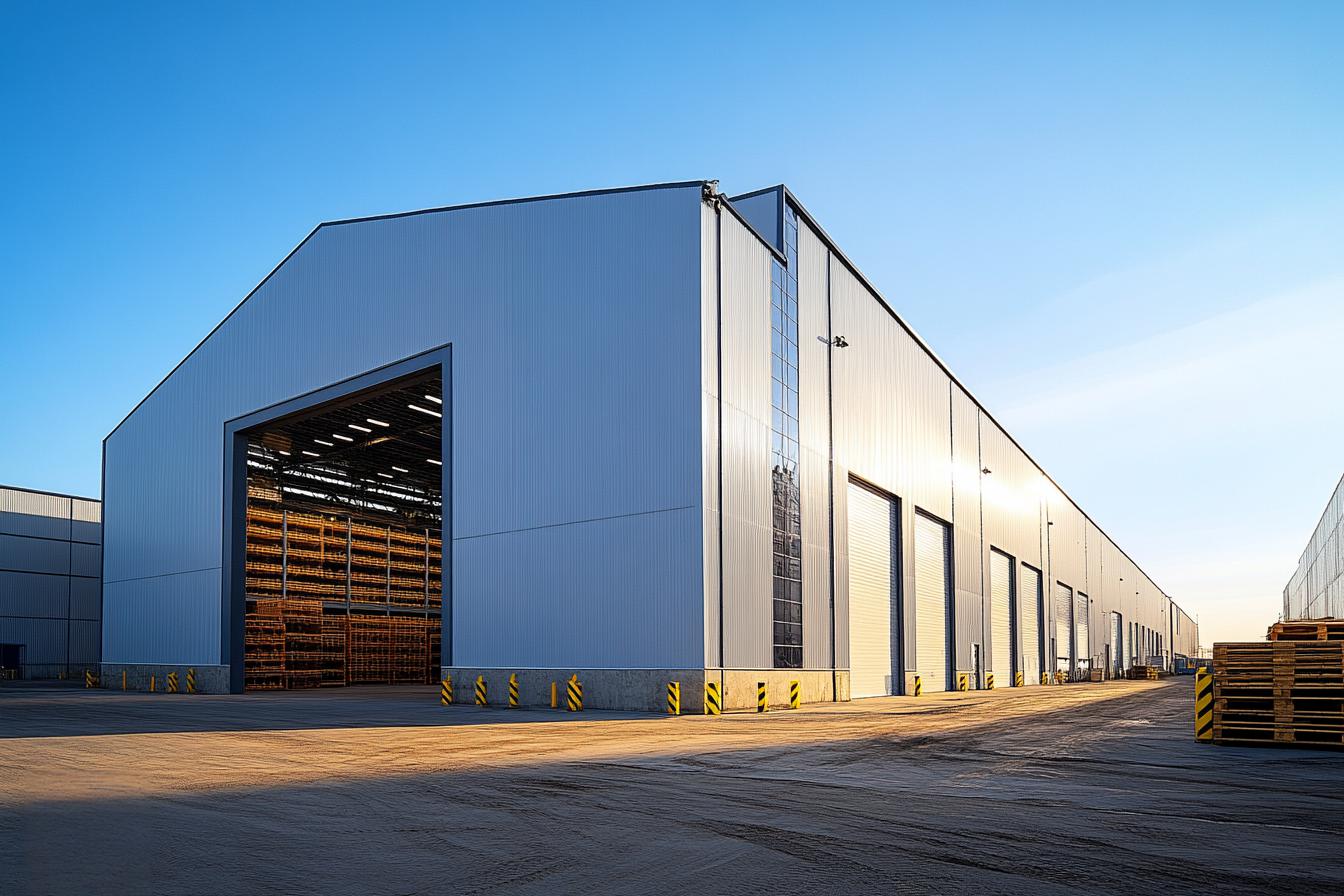
4. Cold chain storage insulation roof
The hollow roof board adopts five-layer co-extrusion technology to form a 2cm thick honeycomb closed-cell structure with a thermal conductivity as low as 0.032W/m·K, which is 40% energy-saving compared with traditional color steel tiles. It is combined with an aluminum foil reflective layer to block 95% of infrared radiation and reduce the compressor operation time by 30% when maintaining a warehouse temperature of -25℃.
5. Villa light guide lighting system
The combined roof adopts a prismatic translucent board + a 3mm thick UPVC impact-resistant layer, which transmits sunlight to the underground space through a fully reflective light guide tube. The illumination value reaches 800lux, and the electric blinds are used to adjust the amount of light entering, achieving a 65% reduction in lighting energy consumption throughout the year.
6. Offshore aquaculture awning
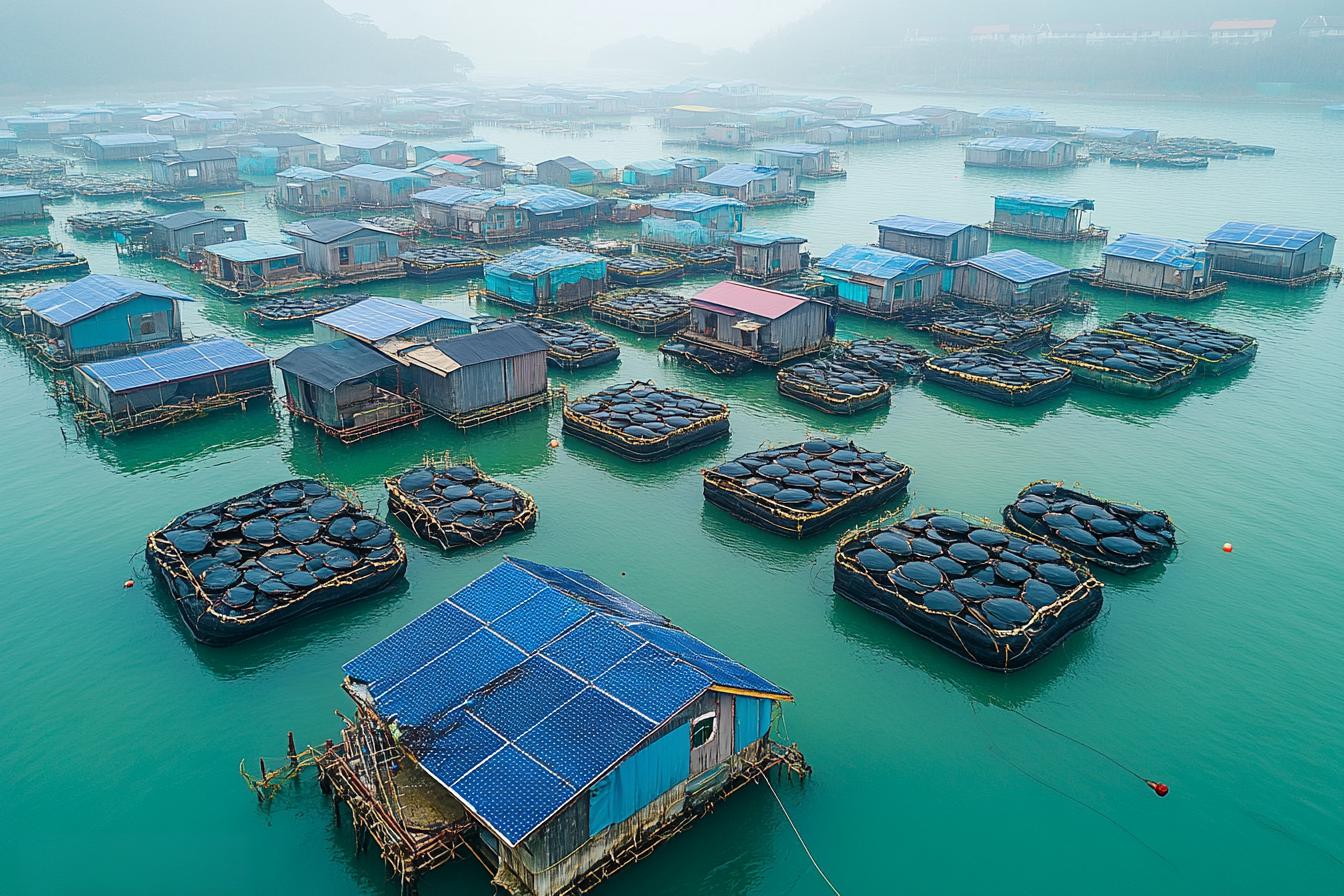
The ASAPVC sheet has no aging after 3000 hours of salt spray test. Its gradient color change technology automatically adjusts the light transmittance (50-20% changes with the intensity of sunlight), providing a bionic light environment for marine cultivation, and with the design of 12-level typhoon-resistant reinforcement ribs, it ensures the stable operation of the marine ranch.
1. Agricultural greenhouse lighting system
Using translucent roof panels (such as ROYAL 1050), by adjusting the transmittance of 40-80% to optimize the plant growth spectrum, and simultaneously blocking UV-B band radiation, its diffuse reflection characteristics avoid local overheating, achieve a balance between natural light effect and light protection, and improve the yield and quality of greenhouse crops.
2. Corrosion-resistant roof of chemical plant
Synthetic resin roof panels use a perfluoropolymer surface to build a chemical barrier, tolerate pH1-12 acid-base environment, and cooperate with hollow structures. The thermal resistance R value reaches 1.2m²·K/W, and maintains dimensional stability under a temperature difference of -40℃ to 120℃, becoming the preferred solution for maintenance-free roofs in chemical areas.
3. Light rail platform awnings
UPVC small trapezoidal panels increase the bending modulus by 25% through the trapezoidal wave peak design, and achieve 12-meter column-free span installation. Its self-cleaning nano-coating is combined with a 15° slope drainage system to ensure zero water accumulation on the platform during heavy rain, and the B1-level flame retardant performance meets the rail transit fire protection standards.
4. Cold chain storage insulation roof
The hollow roof board adopts five-layer co-extrusion technology to form a 2cm thick honeycomb closed-cell structure with a thermal conductivity as low as 0.032W/m·K, which is 40% energy-saving compared with traditional color steel tiles. It is combined with an aluminum foil reflective layer to block 95% of infrared radiation and reduce the compressor operation time by 30% when maintaining a warehouse temperature of -25℃.
5. Villa light guide lighting system
The combined roof adopts a prismatic translucent board + a 3mm thick UPVC impact-resistant layer, which transmits sunlight to the underground space through a fully reflective light guide tube. The illumination value reaches 800lux, and the electric blinds are used to adjust the amount of light entering, achieving a 65% reduction in lighting energy consumption throughout the year.
6. Offshore aquaculture awning
The ASAPVC sheet has no aging after 3000 hours of salt spray test. Its gradient color change technology automatically adjusts the light transmittance (50-20% changes with the intensity of sunlight), providing a bionic light environment for marine cultivation, and with the design of 12-level typhoon-resistant reinforcement ribs, it ensures the stable operation of the marine ranch.
Q: What is "antique-style integrated roofing tile," and how does it differ from traditional clay tiles?
A: Integrated roofing tiles are a type of continuous tile molded from synthetic resin. Compared to traditional clay tiles, they are lighter (reducing the load on roof beams), more resilient, and less prone to breakage. Most importantly, they integrate multiple tiles into a single unit, significantly increasing installation speed and enhancing overall waterproofing.
Q: Will these tiles fade when used outdoors?
A: No. Our antique-style integrated roofing tiles are covered with a thick ASA weather-resistant layer, effectively resisting UV rays, acid rain, and extreme weather conditions. They maintain color stability for at least 10-20 years, even under strong sunlight.
Q: Does installing antique-style integrated roofing tiles require a professional construction team?
A: Due to its "large-area integrated" design, installation is very simple, and ordinary carpenters or masons can quickly learn how to install them. The tiles are fixed with self-tapping screws and professional sealing caps, which are both aesthetically pleasing and secure, greatly saving installation time.
Q: What types of building structures are these tiles suitable for?
A: This product has strong adaptability and can be widely used on concrete, steel, and wood-framed roofs. It is particularly suitable for the roofing decoration and waterproofing of Chinese-style courtyards, resorts, antique streets, and self-built houses.
Q: What are the sound insulation and heat insulation properties of these tiles?
A: The synthetic resin material has good physical insulation properties. In rainy weather, the rain noise is much lower than that of colored steel tiles; in summer, its low thermal conductivity effectively blocks external heat from entering the interior, improving living comfort and reducing energy consumption.
Q: What is "antique-style integrated roofing tile," and how does it differ from traditional clay tiles?
A: Integrated roofing tiles are a type of continuous tile molded from synthetic resin. Compared to traditional clay tiles, they are lighter (reducing the load on roof beams), more resilient, and less prone to breakage. Most importantly, they integrate multiple tiles into a single unit, significantly increasing installation speed and enhancing overall waterproofing.
Q: Will these tiles fade when used outdoors?
A: No. Our antique-style integrated roofing tiles are covered with a thick ASA weather-resistant layer, effectively resisting UV rays, acid rain, and extreme weather conditions. They maintain color stability for at least 10-20 years, even under strong sunlight.
Q: Does installing antique-style integrated roofing tiles require a professional construction team?
A: Due to its "large-area integrated" design, installation is very simple, and ordinary carpenters or masons can quickly learn how to install them. The tiles are fixed with self-tapping screws and professional sealing caps, which are both aesthetically pleasing and secure, greatly saving installation time.
Q: What types of building structures are these tiles suitable for?
A: This product has strong adaptability and can be widely used on concrete, steel, and wood-framed roofs. It is particularly suitable for the roofing decoration and waterproofing of Chinese-style courtyards, resorts, antique streets, and self-built houses.
Q: What are the sound insulation and heat insulation properties of these tiles?
A: The synthetic resin material has good physical insulation properties. In rainy weather, the rain noise is much lower than that of colored steel tiles; in summer, its low thermal conductivity effectively blocks external heat from entering the interior, improving living comfort and reducing energy consumption.