
close
Choose Your Site
Global
Social Media
Benefits of Plastic Roof Tiles for Extreme Weather Conditions
Maintenance Considerations for Plastic Roof Tiles in Harsh Environments
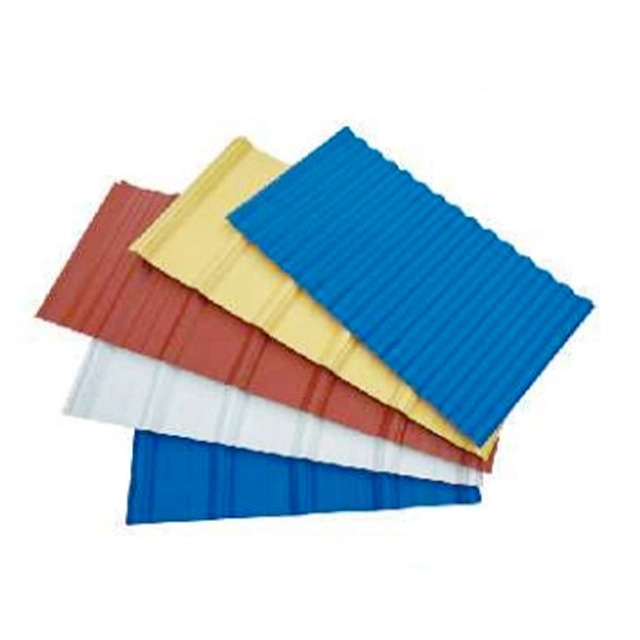
Plastic roof tiles have become increasingly popular in residential and commercial roofing due to their versatility, lightweight nature, and relatively affordable price. However, in regions with extreme climates—whether scorching heat or freezing cold—concerns about their durability and long-term performance naturally arise. The material composition, structural integrity, and resistance to extreme weather events are critical factors that affect the long-term value of plastic roof tiles. This article examines the performance of plastic roof tiles in such climates, evaluating their ability to withstand these conditions over time, and assessing their overall value for homeowners and businesses.
Plastic roof tiles are engineered to offer a combination of functionality, aesthetics, and longevity. But how well do they stand up to extreme weather? These tiles are made from various types of synthetic materials, including PVC (polyvinyl chloride), polycarbonate, and other engineered plastics, each offering unique properties suited for different climates.
In extreme climates, the choice of roofing material plays a crucial role in protecting buildings from environmental stressors. Plastic roof tiles are gaining recognition for their resilience in extreme conditions, thanks to their lightweight nature, flexibility, and resistance to several weather-related challenges. In fact, modern plastic roof tiles can be engineered to mimic the appearance of traditional materials like clay or slate while offering superior durability in harsh conditions.
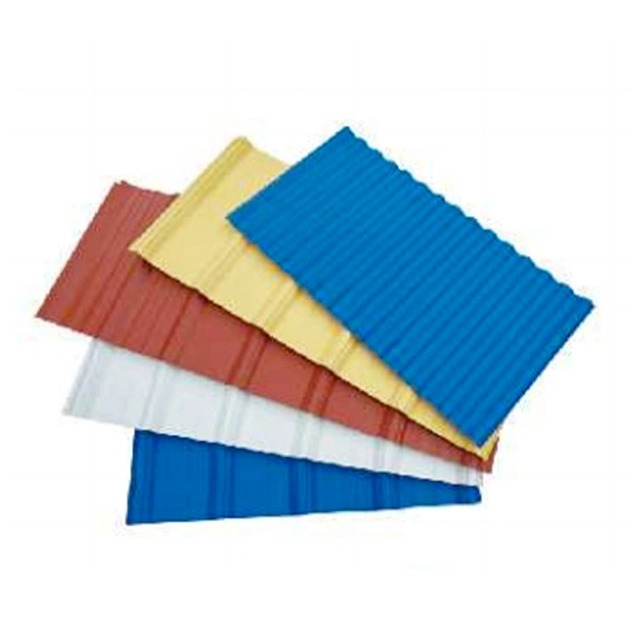
Plastic roof tiles have several advantages when compared to traditional roofing materials like asphalt, metal, and clay tiles, especially in extreme weather situations. Key benefits include:
Lightweight and Flexibility: Plastic tiles are much lighter than clay or concrete, which makes them ideal for structures in areas prone to seismic activity. This also reduces the load on the roof structure during snow and ice buildup.
Resistance to UV Damage: Many plastic tiles are UV resistant, meaning they will not fade or deteriorate as quickly as other roofing materials in high-heat climates, preserving their color and structural integrity over time.
Waterproof and Impervious to Moisture: Plastic tiles are highly resistant to water absorption, making them an excellent choice for regions that experience heavy rainfall or snow, preventing leaks and water damage.
Fire Resistance: Fire-resistant plastic tiles provide added protection in areas susceptible to wildfires, reducing the risk of combustion during extreme heat waves.
Energy Efficiency: Plastic tiles often have excellent insulating properties, keeping buildings cooler in hot climates and warmer in cold climates, contributing to energy savings.
Extreme heat can cause serious damage to many traditional roofing materials, but plastic roof tiles can handle such conditions better due to their composition. In regions with long periods of high temperatures, plastic tiles demonstrate several key advantages:
Heat Resistance: Many plastic tiles are designed to resist warping, cracking, or fading under high temperatures. For instance, polycarbonate plastic tiles are engineered to withstand temperatures well beyond the average daily temperature range.
Color Retention: High-quality plastic roof tiles are available with UV-protective coatings that prevent discoloration and degradation caused by intense sunlight. This ensures the roof remains aesthetically appealing and functional over many years.
Reduced Thermal Expansion: Plastic tiles expand and contract much less than traditional materials like asphalt or metal, which can warp and distort under temperature fluctuations. This results in fewer repairs and maintenance needs in the long run.
Just as plastic roof tiles perform well under extreme heat, they also demonstrate exceptional durability in cold, snowy, or freezing conditions. Some key attributes of plastic tiles in such environments include:
Impact Resistance in Freezing Weather: Plastic roof tiles are less likely to crack or break under heavy snow or ice loads. Their flexibility allows them to absorb stress without losing structural integrity.
Snow Shedding: Plastic tiles often feature a smooth surface, which allows snow and ice to slide off more easily than other materials. This reduces the risk of ice dams or snow buildup that can cause significant roof damage in cold climates.
Thermal Insulation: The insulating properties of plastic tiles help maintain a stable internal temperature during freezing weather, keeping heating costs down while preventing ice formation on the roof surface.
Frost and Moisture Resistance: Unlike wood or clay, plastic roof tiles do not absorb moisture, which helps prevent issues such as mold growth, frost damage, or warping that can occur with other materials in cold conditions.
One of the most notable advantages of plastic roof tiles is their resilience to fluctuating climates. Areas that experience dramatic shifts in temperature or unpredictable weather patterns can be particularly tough on roofs. Plastic tiles stand out because:
Thermal Shock Resistance: Plastic roof tiles can withstand sudden temperature changes without cracking or degrading. This is especially valuable in regions where temperatures swing widely between day and night, such as desert climates.
Long-Term Structural Integrity: Unlike traditional roofing materials that may degrade, warp, or lose strength over time, plastic roof tiles maintain their structure and strength despite frequent exposure to extreme temperatures.
Corrosion Resistance: In coastal areas or regions with high humidity, plastic roof tiles are impervious to rust and corrosion, unlike metal roofing, which can degrade over time in salty air.
While plastic roof tiles are durable, regular maintenance is essential to ensure their long-term performance, especially in extreme climates. The key maintenance considerations for plastic roof tiles include:
Cleaning Debris: In regions with heavy rainfall or snow, debris such as leaves and twigs may accumulate on the roof, blocking water flow and potentially causing mold or mildew growth. Regular cleaning is necessary to maintain proper drainage.
Checking for Cracks or Damage: Though plastic tiles are resistant to weather extremes, they can still suffer damage from falling debris or strong winds. Periodic inspections will help identify any small cracks or damage that can be repaired before it worsens.
UV Protection: Over time, the UV coatings on plastic tiles may wear off, especially in areas with long periods of sunlight. Reapplying UV protection or opting for tiles with more advanced coatings can help maintain the roof's durability.
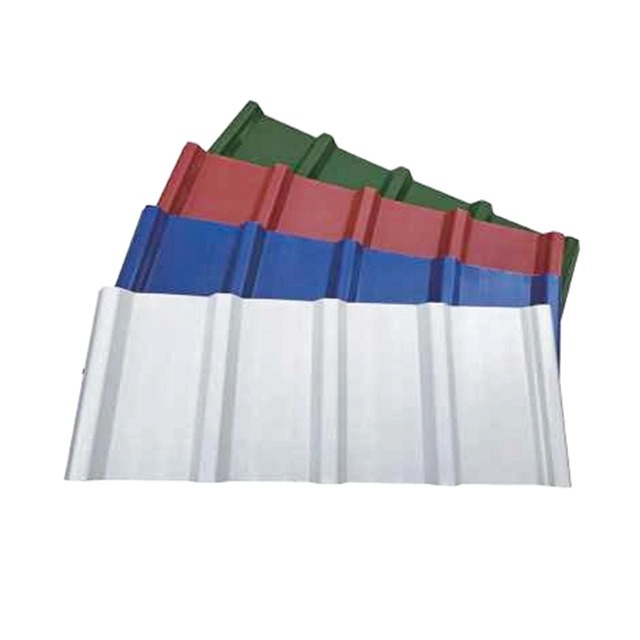
When considering long-term value, plastic roof tiles offer significant benefits over their lifespan. The combination of durability, low maintenance, energy efficiency, and weather resistance contributes to their cost-effectiveness in extreme climates. Key factors include:
Reduced Repair Costs: Plastic roof tiles require fewer repairs compared to traditional materials, saving homeowners or businesses on ongoing maintenance costs.
Longevity: High-quality plastic roof tiles can last for decades without significant degradation, providing a longer lifespan than asphalt shingles or metal roofs in extreme climates.
Energy Savings: The insulating properties of plastic tiles reduce the need for excessive heating or cooling, leading to lower energy bills and contributing to environmental sustainability.
Aesthetic Appeal and Versatility: Available in a variety of styles and colors, plastic roof tiles maintain their aesthetic value for years, enhancing the overall appearance and market value of the property.
Plastic roof tiles have proven to be a resilient and cost-effective roofing solution in extreme climates. Their resistance to heat, cold, moisture, and UV radiation makes them an excellent choice for both residential and commercial buildings in harsh environmental conditions. With proper maintenance, these tiles can provide long-term value, reducing repair costs and offering improved energy efficiency. As extreme weather events become more frequent and severe, the demand for durable and versatile roofing materials like plastic roof tiles is likely to increase, making them a smart investment for homeowners and businesses alike.
1. Are plastic roof tiles suitable for very hot climates?
Yes, plastic roof tiles are highly resistant to heat and UV radiation, making them a great option for hot climates. Their ability to resist fading and cracking under high temperatures helps maintain their appearance and structural integrity.
2. Do plastic roof tiles work well in cold or snowy areas?
Absolutely. Plastic roof tiles are known for their impact resistance in freezing temperatures and their ability to shed snow, reducing the risk of ice dams and snow buildup.
3. How long do plastic roof tiles last?
Plastic roof tiles typically have a lifespan of 30 to 50 years, depending on the material quality and maintenance. Regular inspections and cleaning can help extend their longevity.
4. Do plastic roof tiles require a lot of maintenance?
Plastic roof tiles are relatively low-maintenance. However, periodic cleaning to remove debris, checking for any damage, and reapplying UV protection coatings can ensure they perform optimally over the years.
5. Are plastic roof tiles more expensive than traditional materials?
While plastic roof tiles can have a higher initial cost compared to traditional materials like asphalt shingles, their long-term durability, low maintenance, and energy efficiency make them a more cost-effective option over time.


