
close
Choose Your Site
Global
Social Media

Initial Investment: Understanding the Cost of Plastic Roof Tiles
Energy Efficiency and Insulation: How Plastic Roof Tiles Reduce Bills
Maintenance Costs Over Time: Savings from Plastic Roof Tiles
ROI Breakdown: Calculating the Full Cost-Benefit of Plastic Roof Tiles
When it comes to selecting roofing materials, homeowners and businesses alike are increasingly turning to plastic roof tiles for their remarkable cost-effectiveness and sustainability. While the upfront costs of plastic roof tiles may vary, understanding the long-term savings is essential for making an informed decision. The ROI (Return on Investment) of plastic roof tiles isn't just about the immediate cost; it's about evaluating the benefits they provide over the years, from energy savings to reduced maintenance costs.
Before diving into the financial benefits, it's important to understand what plastic roof tiles are and how they compare to traditional roofing materials.
Plastic roof tiles are made from a variety of synthetic materials, often a blend of polymers, recycled plastics, and other components that mimic the look of traditional materials like clay, slate, or wood. These tiles are lightweight, easy to install, and offer exceptional durability compared to their more traditional counterparts.
Plastic vs. Asphalt Shingles: Asphalt shingles are widely used due to their affordability, but they have a shorter lifespan and require more frequent maintenance than plastic tiles. Plastic roof tiles can last up to 50 years or more, whereas asphalt shingles typically last around 20 years.
Plastic vs. Clay Tiles: While clay tiles are known for their longevity and aesthetic appeal, they are heavier and more expensive. Plastic roof tiles offer a similar aesthetic without the burden of excessive weight, and they come at a fraction of the price.
Understanding these distinctions is crucial when evaluating the ROI of plastic roof tiles. While they may have a slightly higher initial cost compared to asphalt shingles, the long-term savings and benefits they offer make them an appealing option for many property owners.

The first step in calculating the ROI of plastic roof tiles is understanding their initial cost. While plastic roof tiles tend to be more expensive than asphalt shingles, they are often cheaper than materials like clay or slate tiles.
| Roofing Material | Cost per Square Foot (Estimated) | Lifespan (Years) | Average Installation Cost |
|---|---|---|---|
| Plastic Roof Tiles | $3 to $6 | 40 to 50 years | $5 to $7 per square foot |
| Asphalt Shingles | $1 to $3 | 15 to 25 years | $3 to $5 per square foot |
| Clay Tiles | $5 to $10 | 50 to 100 years | $6 to $9 per square foot |
| Slate Tiles | $8 to $15 | 50 to 100 years | $10 to $15 per square foot |
While the initial investment for plastic roof tiles may seem higher than asphalt shingles, the lifespan and minimal maintenance requirements make it a more cost-effective option over time. It's important to factor in the long-term savings, particularly in terms of durability and energy efficiency.
One of the most significant advantages of plastic roof tiles is their durability and long lifespan. Unlike traditional materials such as asphalt or wood, plastic tiles are resistant to a variety of environmental stressors, including extreme weather conditions, UV rays, and moisture.
Weather Resistance: Plastic roof tiles are highly resistant to harsh weather conditions such as rain, snow, hail, and extreme heat. They do not warp, crack, or degrade under the pressure of these elements.
Low Maintenance: Since plastic tiles do not absorb moisture like wood or clay, they are less prone to mold, mildew, or rot, reducing the need for costly repairs or replacements over time.
Extended Lifespan: While traditional roofing materials may need replacing every 15 to 30 years, plastic roof tiles can last 40 to 50 years with minimal maintenance.
This increased lifespan reduces the frequency of roof replacements, which is a significant factor when calculating long-term savings. A plastic roof, with its longevity and reduced need for repairs, represents a solid investment over time.
Another important factor contributing to the ROI of plastic roof tiles is their energy efficiency. Proper insulation can significantly reduce heating and cooling costs, and plastic roof tiles play an essential role in maintaining optimal indoor temperatures.
Thermal Insulation: Plastic roof tiles are excellent insulators, preventing heat from escaping during the winter and keeping the interior cool during the summer. This insulation reduces the need for air conditioning and heating systems to work as hard, leading to lower utility bills.
UV Protection: These tiles often have UV-resistant coatings, which can reflect sunlight away from the roof. This helps to keep homes cooler in hot climates, further reducing the need for air conditioning and minimizing energy costs.
Green Energy Savings: Many plastic roofing options are designed with energy efficiency in mind. Choosing energy-efficient roof tiles can help homeowners qualify for rebates or tax incentives from energy companies or local governments.
Overall, the energy savings from plastic roof tiles can be substantial. Many property owners report savings of 10% to 25% on annual energy bills, depending on the climate and insulation quality.
Maintenance is another area where plastic roof tiles truly shine. Traditional roofing materials such as asphalt shingles and wooden tiles often require frequent inspections and repairs due to their vulnerability to the elements.
Minimal Repairs: Unlike asphalt or wood, plastic tiles are less likely to suffer from common roofing issues like cracking, warping, or rotting. This means fewer repair costs over the life of the roof.
No Repainting or Sealing: Many traditional roofing materials require regular maintenance such as repainting or sealing to maintain their appearance and protect against the weather. Plastic tiles generally do not require this level of upkeep.
Resilience Against Moss and Algae: Plastic roof tiles are often coated with anti-microbial agents, making them resistant to the growth of moss, algae, or lichen, which can cause damage to roofs made from organic materials.
The reduced need for repairs and maintenance helps offset the initial investment and leads to significant long-term savings.
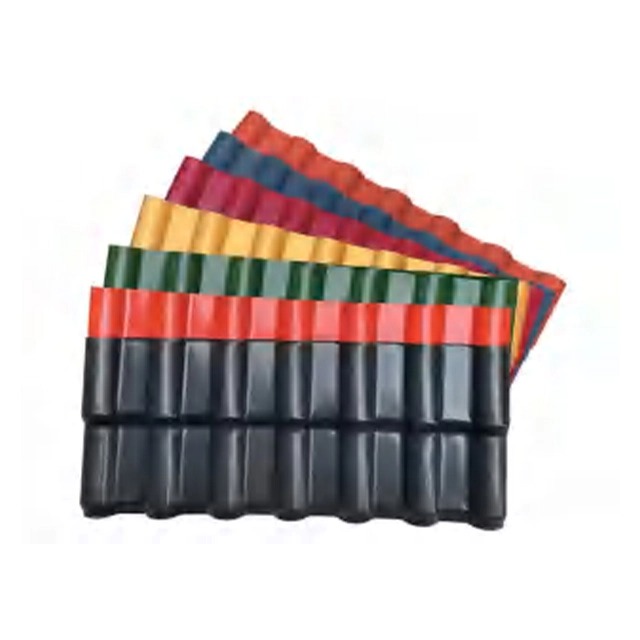
Plastic roof tiles are also considered a more sustainable option compared to traditional materials. Many manufacturers produce these tiles using recycled plastics, contributing to waste reduction efforts.
Recycled Materials: Plastic roof tiles are often made from post-consumer recycled materials, reducing the need for new raw materials and decreasing landfill waste.
Longevity: Due to their extended lifespan, plastic roof tiles reduce the frequency of roof replacements, helping conserve resources in the long run.
Energy Savings: As discussed earlier, their energy efficiency also contributes to a reduction in the overall carbon footprint of a home or business.
By choosing plastic roof tiles, property owners are not only saving money but also contributing to a more sustainable environment.
The final step in evaluating the ROI of plastic roof tiles is a full cost-benefit analysis. Here, we will break down the savings associated with each aspect of plastic roof tiles and provide an estimate of the ROI.
| Factor | Estimated Savings (Over 50 years) |
|---|---|
| Energy Savings | $10,000 to $20,000 |
| Reduced Maintenance Costs | $5,000 to $10,000 |
| Longevity and Durability | $10,000+ (Reduced replacement costs) |
| Environmental Savings | Hard to quantify, but substantial |
Based on these savings, a plastic roof can offer an ROI of over 200% in the long term, making it a highly cost-effective choice.
Choosing plastic roof tiles can provide significant long-term savings for homeowners and businesses alike. From their durability and minimal maintenance needs to their energy efficiency and sustainability, plastic roof tiles offer a combination of benefits that make them a smart investment for the future. By understanding the full ROI breakdown, it becomes clear that the initial cost is easily outweighed by the savings they provide over time.
1. How long do plastic roof tiles last?
Plastic roof tiles typically last between 40 to 50 years, depending on the quality and installation.
2. Are plastic roof tiles energy-efficient?
Yes, plastic roof tiles are excellent insulators and can reduce heating and cooling costs significantly.
3. How much can I save on energy bills with plastic roof tiles?
On average, homeowners can save 10% to 25% on energy bills due to improved insulation.
4. Do plastic roof tiles require a lot of maintenance?
No, plastic roof tiles require very little maintenance compared to traditional materials like asphalt or wood.
5. Are plastic roof tiles environmentally friendly?
Many plastic roof tiles are made from recycled materials, and they contribute to energy savings, making them an eco-friendly choice.


