
close
Choose Your Site
Global
Social Media

Key Benefits of Using Recycled Plastic Roof Tiles in Sustainable Construction
Comparing Recycled Plastic Roof Tiles to Traditional Roofing Materials
As the demand for environmentally responsible construction continues to rise, building materials that combine sustainability, durability, and performance have become a top priority. Among these materials, recycled plastic roof tiles have emerged as a particularly effective solution for reducing the environmental impact of construction projects. These innovative tiles offer a range of benefits that not only support sustainable building practices but also improve the overall functionality of roofing systems. In this article, we will explore the eco-friendly advantages of recycled plastic roof tiles and their growing role in sustainable construction.
Sustainability in construction has become a key trend in recent years, driven by growing concerns over climate change, resource depletion, and environmental degradation. As a result, architects, builders, and developers are turning to sustainable building materials that minimize negative environmental impacts while offering high performance. Recycled plastic roof tiles represent one of the most promising innovations in this area.
Using recycled materials in construction not only reduces the need for new resources but also helps address the global issue of plastic waste. By reimagining waste plastic as a valuable building material, recycled plastic roof tiles contribute to a circular economy, where resources are continuously reused and recycled. This shift is transforming the roofing industry, providing a sustainable alternative to traditional materials.
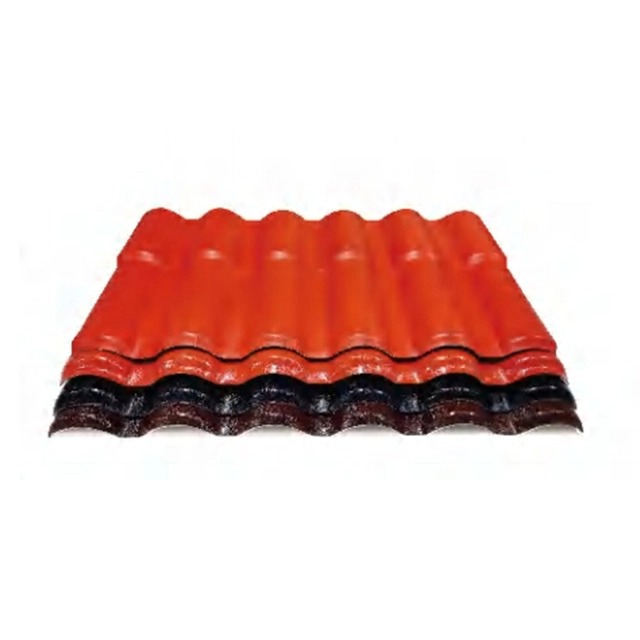
Plastic roof tiles are roofing materials made from various types of plastic, including recycled plastics from post-consumer and post-industrial waste. These tiles are designed to mimic the appearance and performance of traditional roofing materials like clay, slate, or wood, but with the added advantage of being lightweight, durable, and eco-friendly. Recycled plastic roof tiles are often created by melting down plastic waste and reprocessing it into new, high-quality tiles.
In addition to plastic waste, some manufacturers also use additives and resins to enhance the strength, UV resistance, and longevity of the tiles. These materials can be molded into various shapes, colors, and styles to suit a wide range of architectural designs and aesthetic preferences.
The environmental impact of construction materials is a critical consideration in sustainable building practices. Traditional roofing materials, such as asphalt shingles, clay tiles, and wood, have significant environmental footprints, often involving resource-intensive extraction, manufacturing, and disposal processes. In contrast, recycled plastic roof tiles provide a solution to these challenges in several ways:
One of the most compelling benefits of using recycled plastic in roofing is its ability to divert plastic waste from landfills and oceans. Every year, millions of tons of plastic waste are generated, much of which ends up in landfills, where it can take hundreds of years to decompose. By repurposing this waste into roof tiles, the construction industry is contributing to waste reduction efforts on a global scale.
Recycling plastic requires less energy compared to producing new plastic from raw materials, which means that recycled plastic roof tiles have a lower carbon footprint than those made from virgin plastic. Additionally, the manufacturing process for plastic roof tiles often involves fewer emissions than traditional roofing materials, such as the production of clay or metal tiles.
Plastic roof tiles reduce the need for natural resources like clay, wood, and metal, which are commonly used in traditional roofing materials. This helps mitigate issues like deforestation and mining, which have detrimental environmental effects. By reducing reliance on these resources, recycled plastic roof tiles play a role in preserving ecosystems and biodiversity.
Recycled plastic roof tiles offer several key advantages over traditional roofing materials, making them an appealing choice for eco-conscious builders and homeowners alike.
Plastic roof tiles are highly durable and resistant to harsh weather conditions, including rain, snow, wind, and UV rays. Unlike traditional roofing materials that may crack, warp, or degrade over time, plastic roof tiles maintain their structural integrity and aesthetic appearance for decades. This long lifespan reduces the frequency of roof replacements, making plastic tiles a cost-effective and low-maintenance option for sustainable buildings.
Plastic roof tiles can contribute to the energy efficiency of a building. Many types of recycled plastic tiles are designed with insulating properties that help regulate indoor temperatures by reducing heat absorption. This can lead to lower energy costs by decreasing the need for heating and cooling systems. Additionally, some plastic roof tiles are reflective, meaning they can help reduce the urban heat island effect by reflecting sunlight and reducing the amount of heat that is absorbed by the building.
The use of recycled plastic in roof tiles contributes to a circular economy, where waste is minimized, and resources are continuously reused. By recycling plastic waste into durable and functional products like roof tiles, this practice helps close the loop on plastic waste and supports a more sustainable approach to manufacturing. Furthermore, the recycling process itself often generates fewer emissions and requires less energy than producing new plastic from raw materials.

While the initial cost of recycled plastic roof tiles can be higher than that of traditional materials like asphalt shingles, the long-term savings often make them a more cost-effective option. Plastic roof tiles are incredibly durable and require little to no maintenance, which reduces repair and replacement costs over the life of the roof.
Additionally, the energy efficiency of plastic roof tiles can lead to significant savings on heating and cooling costs. Homeowners and businesses can expect to recoup their initial investment in recycled plastic roof tiles through long-term energy savings, reduced maintenance, and fewer roof replacements.
| Material | Average Cost (per sq. ft.) | Lifespan (years) | Maintenance Cost | Energy Savings |
|---|---|---|---|---|
| Recycled Plastic Tiles | $3.50 - $5.00 | 50+ | Low | High |
| Asphalt Shingles | $1.50 - $3.00 | 20-30 | Medium | Low |
| Clay Tiles | $4.00 - $8.00 | 50+ | Low | Medium |
| Wood Shingles | $6.00 - $9.00 | 30-50 | High | Low |
Recycled plastic roof tiles offer a range of advantages over traditional roofing materials, including greater durability, lower environmental impact, and improved energy efficiency. Below is a comparison of recycled plastic tiles with other commonly used roofing materials:
Asphalt Shingles: While asphalt shingles are one of the most affordable roofing materials, they have a relatively short lifespan and are prone to damage from extreme weather. Additionally, asphalt production is energy-intensive, and the shingles contribute to landfill waste.
Clay Tiles: Clay tiles are durable and long-lasting but are heavier than plastic tiles, which may require additional structural support. They are also more expensive and resource-intensive to produce.
Wood Shingles: While aesthetically appealing, wood shingles are less durable and require more maintenance than recycled plastic tiles. They also have a higher environmental impact due to deforestation concerns.
Overall, recycled plastic roof tiles provide a more sustainable, cost-effective, and low-maintenance alternative to many traditional roofing materials.
As the demand for sustainable construction practices continues to grow, the future of recycled plastic roof tiles looks promising. Advancements in recycling technologies, as well as increased awareness of environmental issues, are expected to drive further adoption of these eco-friendly materials.
With ongoing research and innovation, manufacturers are likely to improve the quality, performance, and affordability of recycled plastic roof tiles, making them an even more attractive option for builders and homeowners in the years to come.
Recycled plastic roof tiles represent a significant step forward in sustainable building practices. By offering a durable, eco-friendly, and cost-effective alternative to traditional roofing materials, they are helping to reduce waste, lower carbon emissions, and promote a circular economy. As the construction industry continues to embrace sustainability, the role of plastic roof tiles is likely to expand, making them an essential component of future green building projects.
1. Are recycled plastic roof tiles as durable as traditional roofing materials?
Yes, recycled plastic roof tiles are highly durable and can last for decades. They are resistant to weather damage, UV degradation, and pests, making them a long-lasting roofing solution.
2. Do recycled plastic roof tiles require a lot of maintenance?
No, plastic roof tiles require minimal maintenance. Unlike wood or asphalt shingles, they do not need to be replaced frequently or treated with chemicals.
3. How do recycled plastic roof tiles contribute to energy savings?
Recycled plastic roof tiles help regulate indoor temperatures by reducing heat absorption and providing insulation. Some plastic tiles are reflective, helping to keep buildings cooler in hot weather, which can reduce the need for air conditioning.
4. Are recycled plastic roof tiles more expensive than traditional roofing materials?
The initial cost of recycled plastic roof tiles may be higher than some traditional materials, but they provide long-term savings due to their durability, low maintenance needs, and energy efficiency.
5. Where can I purchase recycled plastic roof tiles?
Recycled plastic roof tiles are available from various manufacturers and suppliers that specialize in sustainable building materials. It’s recommended to consult with local suppliers or contractors to find options suited to your specific needs.


