
close
Choose Your Site
Global
Social Media

Synthetic resin roof tiles can last for decades, but without proper care, they may wear faster over time. With LESSO's synthetic resin roof sheet solutions, durability improves and long-term performance stays reliable. In this guide, you will learn synthetic resin roof tile maintenance tips, including cleaning, inspections, and protection strategies. Learn more about our products and keep your roof strong.
Tip: A consistent maintenance schedule is often more effective than expensive emergency repairs later.
Climate plays a major role in how synthetic resin roof tiles age over time. In hot regions, constant UV radiation can slowly weaken the surface layer and cause fading if protection is not maintained. In wet climates, repeated rain and humidity increase the chance of residue buildup and long-term moisture stress. Temperature swings also matter because roofing materials expand during heat and contract in cold conditions. These repeated cycles can loosen fasteners and reduce stability if inspections are ignored. Many premium systems, such as ASA-layer synthetic resin tiles used by manufacturers like LESSO, are engineered to resist UV exposure and maintain color stability for years. Still, even these high-performance materials deliver the best results when the roof is kept clean and debris-free. Understanding your local weather patterns helps you plan the right roof tile care approach.
Moisture is one of the most common threats to roof durability, especially in shaded or poorly ventilated areas. When water sits on the roof surface, it creates the perfect environment for algae, moss, and mold to grow. Organic buildup is not only a cosmetic issue, but it can also trap moisture against the tiles and increase long-term wear. Over time, this may lead to discoloration, surface softening, or drainage problems. Some advanced synthetic resin roof sheet designs feature smoother, self-cleaning surfaces that reduce dirt accumulation, a benefit often highlighted in industrial-grade products like those in LESSO’s roofing portfolio. Regular cleaning and proper gutter flow still remain essential for preventing organic regrowth and ensuring long-term durability.
Even the best roofing material will struggle if the installation is not done correctly. Poor fastening, incorrect overlap, or weak underlayment can shorten the lifespan of synthetic resin roof tiles. When tiles shift during storms or heavy winds, small gaps may form and allow water intrusion. Roof durability depends on correct structural support, proper ventilation, and accurate alignment that allows for thermal movement. High-quality synthetic roofing sheets are engineered for impact resistance and corrosion protection, and certified suppliers such as LESSO often provide tested systems designed for harsh industrial environments. Still, these materials rely on professional installation standards. Homeowners should understand that long-term performance is always a combination of product quality and ongoing maintenance.

Routine washing is one of the simplest but most powerful ways to extend the lifespan of synthetic resin roof tiles. Dirt, dust, leaves, and airborne pollutants slowly build up over time, especially in industrial or tree-covered areas. If this debris stays on the roof, it can trap moisture and create uneven surface wear. Cleaning prevents organic growth and helps maintain the tile’s protective layer. Many homeowners only notice roof problems when discoloration or leaks appear, but regular washing stops these issues early. A consistent roof tile care routine improves durability and keeps the roof looking new. By treating cleaning as preventative maintenance, you reduce long-term repair costs and protect the roof’s structural integrity.
The best cleaning approach is gentle, consistent, and safe for resin-based surfaces. Low-pressure water washing is usually enough to remove surface dirt without damaging protective coatings. Harsh pressure washing can weaken the top layer, so it should be avoided unless recommended by the manufacturer. Mild soap solutions can help remove algae stains, but strong chemicals should not be used because they may reduce UV resistance. A synthetic resin roof tile cleaning guide should always emphasize careful handling and complete coverage of drainage areas. Cleaning also allows you to spot early cracks or loose sections during the process. Proper washing is not just cosmetic, it is a durability strategy.
Using the right tools ensures that roof maintenance does not accidentally cause damage. Soft brushes, low-pressure hoses, and non-abrasive cleaners are ideal for synthetic resin roof sheet materials. Metal scrapers or stiff wire brushes should never be used because they may scratch the surface and create weak points. In commercial settings, professional cleaning teams often use specialized biodegradable solutions that remove organic growth without harming the tile structure. Homeowners should also prioritize safety by avoiding roof walking whenever possible. The right tools make maintenance easier and reduce risk. Safe cleaning practices directly support roof durability and long-term performance.
Regular inspections are essential for preventing small roofing problems from becoming major failures. Most experts recommend checking synthetic resin roof tiles at least twice per year, ideally in spring and autumn. Inspections should also happen after major storms, heavy snowfall, or extreme heat events. These checks help confirm that tiles remain aligned, drainage systems are clear, and no surface cracks have formed. Roof maintenance inspections are especially important for commercial buildings where large roof areas increase exposure risk. Many industrial suppliers, including LESSO, design roofing systems to meet strict testing standards, but even certified products benefit from routine checks. Early detection is one of the most cost-effective ways to extend roof durability.
During inspections, focus on areas where stress is most likely to occur. Roof edges, ridges, and fastener points are common locations for loosening or cracking. Even though synthetic resin roof tiles are impact-resistant, repeated exposure to wind pressure can weaken connections over time. Loose tiles may allow water infiltration during rain, leading to hidden underlayment damage. Cracks may start small but expand with temperature cycles. By spotting these issues early, repairs remain simple and affordable. Inspection is not about finding major failures, but about preventing them through awareness and timely action.
Leaks often develop slowly, starting with minor gaps or drainage blockages. If water enters beneath the roof tiles, it may not be visible until interior damage appears. Preventing leaks requires proactive inspection of flashing, sealant areas, and tile overlap points. Synthetic roofing sheets are designed for water resistance, but improper drainage can still cause long-term problems. Regular inspections allow you to correct issues before moisture spreads into structural layers. Preventing leaks also protects insulation, reduces mold risk, and avoids expensive replacement projects.
Organic growth is more than an appearance problem, it is a durability threat. Moss and algae hold moisture against the tile surface, which increases long-term wear and reduces protective performance. Over time, organic buildup may lead to discoloration, uneven drying, and drainage blockage. In shaded environments, growth spreads quickly if not controlled. Synthetic resin roof tiles resist corrosion, but constant moisture exposure still increases stress on surface layers. Removing organic buildup early helps maintain roof durability and prevents structural weakening. Controlling growth is one of the most overlooked roof tile care practices.
Certain roof sections are naturally more vulnerable to organic growth. Areas under trees, near chimneys, or on north-facing slopes often stay damp longer. These zones require extra attention during inspections and cleaning routines. Improving sunlight exposure by trimming branches can reduce moisture retention. Ensuring proper gutter flow also prevents water accumulation near roof edges. Many modern synthetic resin roof sheet systems emphasize smooth, dense surfaces that discourage moss buildup, a feature often associated with premium industrial roofing brands like LESSO. Targeted prevention saves time and extends durability.
Stopping regrowth requires both cleaning and prevention. After removing moss or algae, homeowners can apply approved anti-organic treatments designed for synthetic roofing materials. These treatments reduce the chance of future buildup and support long-term durability. Regular washing also prevents spores from settling. In commercial roofing systems, protective coatings may include antimicrobial properties. The key is consistency, because organic growth returns when maintenance stops. Long-term roof tile care means building habits that keep the surface clean and dry year-round. Prevention always costs less than repeated deep cleaning.
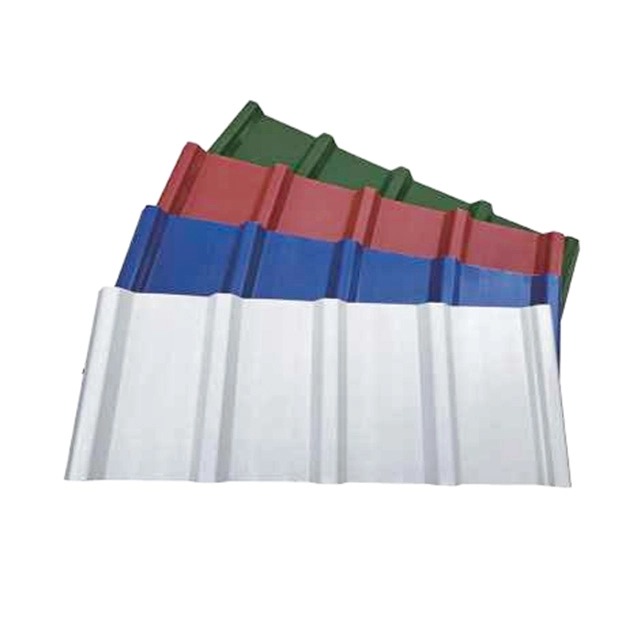
Protective layers are one of the main reasons synthetic resin roof tiles perform so well in harsh climates. Many tiles include ASA top layers that resist UV radiation and prevent fading for years. This layer protects the structural resin beneath it and maintains color stability. Over time, additional protective coatings can further extend durability, especially in regions with intense sunlight. UV-resistant coatings reduce surface degradation and slow aging processes. Manufacturers such as LESSO highlight ASA co-extrusion technology as a key advantage for long-term outdoor exposure. When combined with cleaning and inspections, protective layers significantly extend roof lifespan.
Beyond UV protection, shielding treatments can improve resistance against moisture, chemical exposure, and airborne pollutants. Industrial environments often require extra surface protection due to acidic rain or chemical particles. Specialized treatments can create an additional barrier without affecting tile flexibility. These coatings also reduce dirt adhesion, making cleaning easier over time. For synthetic roofing sheets used in commercial buildings, protective treatments support durability and reduce maintenance frequency. Choosing the right treatment depends on climate, roof slope, and environmental conditions. Shielding is an investment that improves long-term roof performance.
Not every roof requires additional coatings, but many benefit from them. Roofs in extreme climates, coastal regions, or industrial zones face higher stress levels. In these cases, protective treatments often pay for themselves by reducing repair needs and extending replacement timelines. Property owners should evaluate the roof’s exposure risk and expected service life. Protective layers are also useful when restoring older synthetic resin roof tiles that remain structurally sound but show surface wear. The decision should balance cost, durability benefits, and long-term value.
Common Roof Protection Options
Protection Type | Main Benefit | Best For |
ASA UV Layer | Prevents fading and aging | High-sun regions |
Anti-organic treatment | Reduces moss and algae regrowth | Shaded climates |
Weather-resistant coating | Improves moisture and pollutant defense | Coastal or industrial areas |
Even with strong maintenance habits, damage can happen over time. Cracked tiles, loose fasteners, or visible leaks are clear signs that repairs are needed quickly. Small damage points may seem harmless, but they often grow under weather stress. Synthetic resin roof tiles are impact-resistant, yet hail or falling debris can still cause localized issues. Prompt repairs prevent water intrusion and protect underlayment systems. Knowing the warning signs allows homeowners to respond early. Fast action is one of the most effective durability strategies.
Some minor repairs, such as cleaning drainage areas or tightening loose fasteners, may be manageable for skilled homeowners. However, larger repairs often require professional expertise. Incorrect tile replacement can create alignment issues and increase leak risk. Roofing professionals understand proper overlap, fastening methods, and safety protocols. For commercial roofs, expert repair is almost always recommended due to scale and complexity. Many suppliers, including LESSO, emphasize the value of tested roofing systems paired with correct installation and service support. The goal is always durable, correct repairs rather than temporary fixes.
Repairs should always address root causes, not just surface symptoms. If tiles crack repeatedly, it may indicate installation stress, drainage issues, or structural movement. Preventing recurring wear requires improving inspection routines and correcting environmental risks. Using high-quality replacement tiles also ensures consistent durability. Roof maintenance should include tracking repair history to spot patterns over time. Preventing repeat issues reduces long-term costs and improves roof reliability. Repairs are not failures, they are part of long-term care when handled correctly.
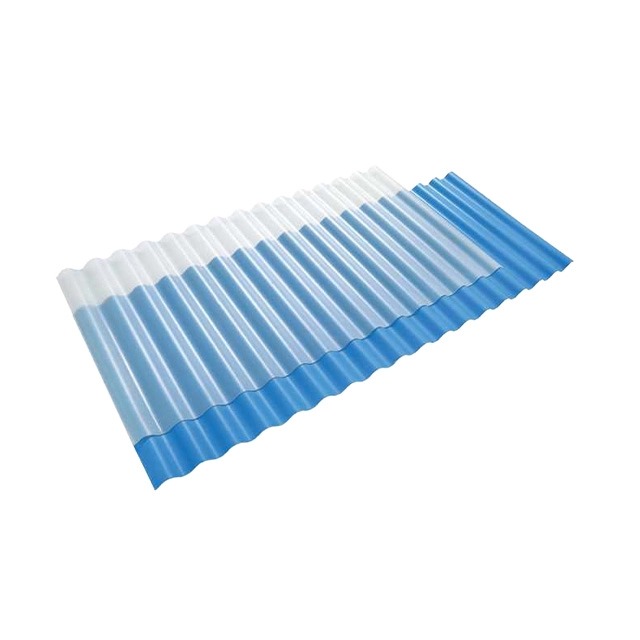
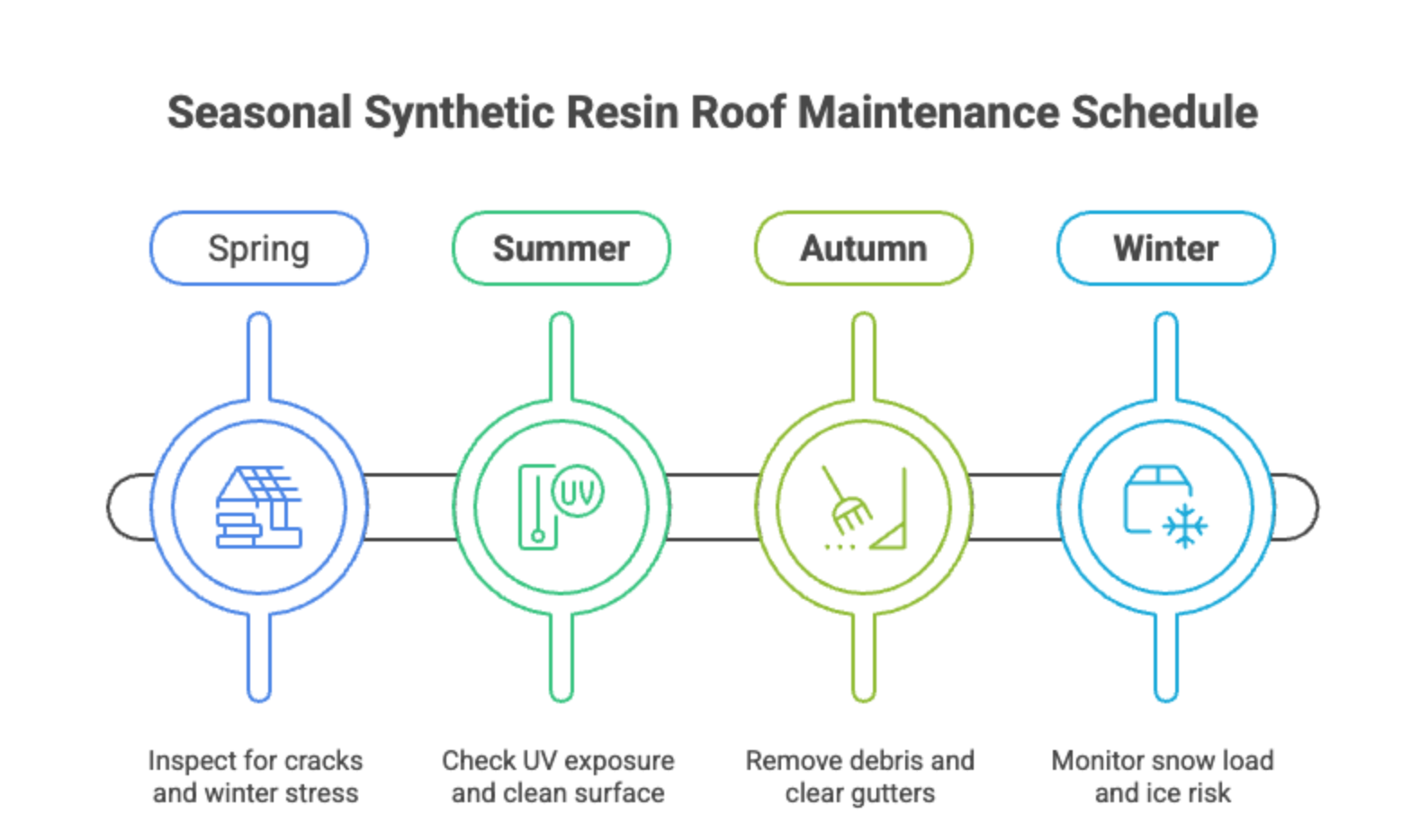
Seasonal maintenance helps homeowners stay ahead of predictable weather challenges. In spring, inspections should focus on winter damage, loose debris, and drainage clearance. Summer upkeep should prioritize UV protection checks and surface cleaning. Hot temperatures increase expansion stress, so fasteners should be reviewed. Storm season also requires attention to impact risks from debris. Synthetic resin roof tile maintenance tips often emphasize seasonal timing because it aligns with natural wear cycles. A proactive approach ensures the roof remains durable through changing conditions.
Autumn is one of the most important roof maintenance seasons because leaves and debris accumulate quickly. Blocked gutters increase moisture retention and raise leak risk during winter rains. Homeowners should clear roof surfaces and confirm tile alignment before cold weather arrives. Winter preparation also includes checking flashing and drainage systems. Synthetic resin roof tiles handle cold well, but trapped moisture can still create stress. Autumn care reduces emergency repairs during winter storms. Seasonal preparation supports long-term roof durability.
Extreme weather events require immediate roof checks, even if damage is not visible from the ground. High winds may loosen tiles, while hail can create small cracks. Emergency maintenance should focus on identifying weak points before water enters beneath the roof system. Temporary patching may prevent immediate leaks, but professional assessment is often needed for permanent repair. Synthetic roofing sheets are designed for resilience, yet no roof is invincible. Emergency response is part of responsible roof tile care. Quick action after storms prevents long-term structural damage.
Note: After major storms, always inspect roof edges and ridge caps first because they experience the highest wind pressure.
Drainage is one of the most important factors in roof durability. Even the strongest synthetic resin roof sheet can suffer if water cannot flow properly. Gutters should be cleaned regularly to prevent blockages that cause water backup. Standing water increases organic growth risk and may weaken fasteners over time. Proper drainage management protects roof edges and reduces leak potential. Homeowners should also confirm that downspouts direct water away from foundations. Drainage care supports the entire roofing system, not just the tiles themselves.
Many roof problems come from avoidable mistakes. Walking directly on tiles can cause cracking, while harsh pressure washing can damage protective layers. Ignoring small debris buildup also increases long-term moisture risk. Homeowners sometimes delay repairs until leaks appear, which leads to higher costs. Synthetic resin roof tile care works best when maintenance is gentle, consistent, and proactive. Understanding what not to do is just as important as knowing what to do. Avoiding mistakes extends roof lifespan with minimal effort.
Even with good homeowner care, professional inspections add value every few years. Roofing experts can spot subtle alignment issues, hidden underlayment wear, and early structural movement. Professional checkups are especially important for large commercial buildings or roofs exposed to harsh environments. They also help confirm that protective coatings remain effective. Investing in expert evaluation reduces the chance of unexpected failures. Long-term durability depends on combining homeowner routines with occasional professional support.
Roof durability starts with material quality. High-grade synthetic resin roof tiles include engineered layers for UV resistance, impact strength, and corrosion protection. Lower-quality products may fade faster, crack under stress, or require more frequent repairs. Choosing tested and certified materials ensures long-term performance. Trusted manufacturers such as LESSO often emphasize strict quality control and standardized certifications for roofing solutions used in demanding environments. Quality also affects installation ease and maintenance needs. When homeowners invest in better materials, they reduce replacement risk and increase overall roof reliability.
When selecting synthetic roofing sheets, buyers should look for strong UV protection, consistent thickness, and proven impact resistance. Multi-layer structures often perform better because they combine durability with surface protection. Fire resistance and chemical stability are also important in industrial environments. Certification testing helps confirm performance claims. Buyers should also consider warranty coverage and supplier reputation. The right features ensure that roof tile care efforts deliver maximum long-term value.
Certified roofing systems offer confidence because they have been evaluated under standardized testing. This includes aging resistance, load capacity, and impact durability. Certified products often perform more consistently over decades. For commercial projects, certifications may also support compliance with building standards. Choosing tested roofing materials reduces uncertainty and improves long-term investment value. Durability is not just about care, it is also about starting with reliable products.
Key Material Features for Durable Roofing
Feature | Purpose | Long-Term Benefit |
UV-resistant top layer | Prevents fading and degradation | Extends roof lifespan |
Impact resistance | Handles hail and debris stress | Reduces crack risk |
Corrosion protection | Prevents chemical decay | Improves durability in harsh areas |
Proper roof care is not just about performance, it is also about financial value. Regular cleaning, inspections, and early repairs cost far less than full roof replacement. Synthetic resin roof tiles already require less maintenance than many traditional materials, but neglect still leads to avoidable expenses. Preventative care reduces leak risk, structural damage, and emergency repair bills. Over decades, consistent maintenance can save thousands in replacement costs. Roof durability is closely linked to cost efficiency.
A durable roof provides strong return on investment because it protects the entire building structure. When synthetic resin roof tiles last longer, homeowners avoid frequent replacement cycles. Durability also improves resale value because buyers prefer long-lasting, low-maintenance roofing systems. Energy efficiency benefits further increase ROI by reducing cooling costs in warm climates. Proper care supports these advantages by ensuring performance remains strong. Long-term ROI is one of the biggest reasons synthetic roofing sheets are a smart investment.
Synthetic resin roof tiles often include reflective properties that reduce heat absorption. This helps keep indoor spaces cooler and lowers air conditioning demand. Reduced thermal stress also slows roof aging because expansion and contraction cycles become less extreme. Energy efficiency therefore contributes directly to durability. In commercial buildings, reflective roofing can reduce operating costs significantly over time. When combined with maintenance strategies, energy-efficient roofing materials deliver both comfort and longevity. Roof care supports performance at every level.
Synthetic resin roof tiles stay durable with proper care and routine maintenance. By cleaning, inspecting, preventing organic growth, adding protection, and repairing early, you can extend roof life. Seasonal upkeep and good drainage improve reliability over time. Choosing LESSO's synthetic resin roof sheet products adds strong UV resistance and long-term value. With these habits, your roof delivers decades of performance and peace of mind.
A: Synthetic resin roof tile maintenance tips include routine cleaning, inspections, and protecting your synthetic resin roof sheet.
A: Follow a synthetic resin roof tile cleaning guide and prevent moss or algae buildup.
A: Moisture and algae weaken roof durability, so resin roof cleaning helps prevent damage.
A: Yes, they extend lifespan and reduce repair costs compared with frequent replacements.


